















Musculoskeletal Ultrasound Guided Joint Injections

Specialist Joint & Sports Injury Injections by Orthopaedic Surgeons
Advanced care with steroid, hyaluronic acid and next-generation regenerative biologics—expertly delivered for targeted pain relief and faster recovery.
Need to look at what treatments do we offer section? Needs breaks with some pictures and change in colour. Too much in one section.
Musculoskeletal Ultrasound Guided Joint Injections at Rejuvence Clinic
At Rejuvence, we offer a range of Ultrasound Guided Musculoskeletal Treatments. Our Orthopaedic Specialist can offer local corticosteroid (steroid) joint injections, hyaluronic acid joint injections, joint aspirations (removing fluid) and hydrodistension procedures (stretching ligaments and the joint capsule to improve movement).
Our ultrasound guided injections are designed to provide rapid and effective relief from a variety of painful joint and muscle conditions. Using these and more advanced regenerative medicine techniques, at Rejuvence, we can offer treatments that can stimulate more long-term repair and regeneration as well as much needed relief from pain and stiffness.
Our clinic prioritises safety and patient care. All our services are carried out by a senior Orthopaedic Specialist Doctor and use ultrasound scanning techniques to ensure they are effective and safe.
At Rejuvence Clinic, we focus on ultrasound-guided joint and soft tissue injections for peripheral musculoskeletal conditions, including the knees, shoulders, hips, elbows, ankles, and smaller joints.
WE DO NOT ASSESS OR TREAT SPINAL CONDITIONSOR BACK PAIN, AND WE DO NOT PERFORM SPINAL (e.g. epidural or facet joint) INJECTIONS.
This is because the specialist expertise and imaging equipment required for spinal interventions are not available at our clinic.
For back pain or suspected spinal pathology, we recommend seeking assessment by a pain management specialist, spinal physiotherapist, or orthopaedic spine service.
Steroid injections
- 1 Area – £250
- 2 Areas – £450
HA Injections:
- 1 Area
- Ostenil Plus – £425
- 2 Areas
- Ostenil Plus – £625
- 3 Areas
- Ostenil Plus – £800
Hydrodistension for Frozen Shoulder – £365
Arthrosamid – £2,300
PRP (Angel Arthrex PRP) – £1,250
ExoSmart (PRP & Exosomes) – £1,650
What types of musculoskeletal injections do we offer?
At Rejuvence, we provide several types of musculoskeletal treatments and injections, each tailored to the specific needs of our patients:
Steroid Injections

Steroid injections are used to reduce inflammation and alleviate pain in joints and soft tissues. These injections are particularly effective in treating conditions such as arthritis, bursitis, and tendonitis.
By targeting the inflamed area directly using an ultrasound as a visual guide provides better and longer lasting symptomatic relief, as opposed to surface or blind injections.
Joint Aspirations

A variety of sport, and work related musculoskeletal injuries can result in joints getting painful and swollen. In certain joints such as the knee and elbow, large amounts of fluid can accumulate in the joint or soft tissues around the joint (such as the bursae).
At Rejuvence, we can remove fluid from swollen joints under ultrasound guidance. This can often provide immediate pain relief and improved mobility.
Ostenil® Plus – Premium Hyaluronic Acid Joint Injections

Rejuvence Clinic is an official provider of Ostenil® Plus, one of the leading hyaluronic acid (HA) products for joint injections. Hyaluronic acid is a naturally occurring component of joint fluid responsible for lubrication, cushioning and smooth movement.
In osteoarthritis and other degenerative joint conditions, HA levels become depleted, leading to pain, stiffness and reduced mobility. Ostenil® Plus restores this lost lubrication with a highly purified, high-viscosity form of hyaluronic acid designed to improve joint mechanics and reduce discomfort.
As a trusted visco-supplementation option, Ostenil® Plus can significantly improve mobility, lessen inflammation and enhance everyday function, making it especially beneficial for patients with osteoarthritis of the knee, shoulder, hip and other major joints.
Delivered under ultrasound guidance by our experienced clinicians, Ostenil® Plus offers a safe, targeted and effective solution for those seeking relief without relying solely on pain medication or invasive procedures.
HYDRO-distention for
Frozen Shoulder

Hydrodistension is a safe and effective treatment for frozen shoulder and is performed at Rejuvence Clinic under precise ultrasound guidance. Frozen shoulder affects 2–5% of the population—more common in women and those with diabetes—and occurs when the shoulder joint capsule becomes thickened, inflamed and scarred. This leads to significant pain, stiffness and restricted movement, often worse at night, impacting sleep, work and overall quality of life. Diagnosis is clinical, as scans may appear normal, though imaging can be used to rule out other conditions.
While frozen shoulder can take 18 months to 3 years to resolve on its own, treatment options include anti-inflammatory medications, physiotherapy, steroid injections and, in resistant cases, surgery.
Hydrodistension offers a faster, minimally invasive solution. During the procedure, a controlled volume of sterile fluid mixed with corticosteroid is injected into the joint capsule under ultrasound, gently stretching and breaking adhesions. This rapidly improves pain and mobility, allowing patients to engage more effectively in rehabilitation and significantly shorten recovery time.
ExoSmart™ Autologous Exosomes – Cutting-Edge Regenerative Medicine For Joint Health
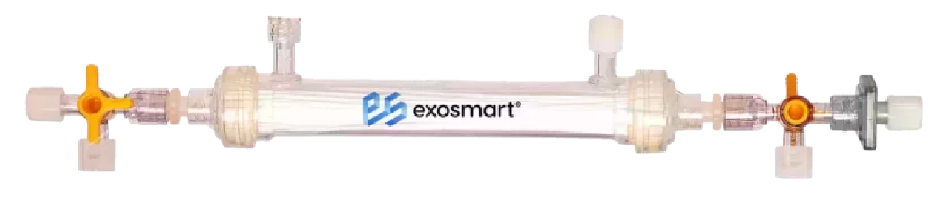
At Rejuvence Clinic, we are proud to be the first clinic in the UK to offer ExoSmart™ autologous exosome therapy for joint and musculoskeletal conditions. ExoSmart™ represents a new frontier in regenerative medicine by using your body’s own exosomes—powerful biological messengers involved in tissue repair and cellular regeneration—to support healing and restore function within damaged joints, tendons and ligaments.
Unlike traditional treatments that simply mask symptoms, ExoSmart™ delivers concentrated regenerative signals directly into the affected area, helping to reduce inflammation, support soft-tissue repair, and promote healthier joint movement. This makes it an exceptional option for conditions such as tendon injuries, ligament strains, sports-related microtrauma, chronic overuse problems, and degenerative joint discomfort.
Our specialist clinicians have extensive experience in musculoskeletal medicine and offer personalised guidance on whether ExoSmart™ is suitable for your specific condition. By combining advanced ultrasound-guided injection techniques with leading-edge regenerative science, Rejuvence Clinic provides one of the most innovative and biologically intelligent approaches to joint care available in the UK.
Advanced Regenerative Biologics for Sports Injuries
At Rejuvence Clinic, we use cutting-edge regenerative biologic treatments from Angel Arthrex and ExoSMART™ to accelerate healing in a wide range of soft-tissue sports injuries. These advanced systems concentrate the body’s most powerful repair signals—growth factors, exosomes and cellular messengers—to enhance tissue regeneration and support faster recovery. Strong clinical evidence supports their use in conditions such as tendon injuries, golfer’s and tennis elbow, Achilles tendinopathy, rotator cuff strains, plantar fasciitis, muscle tears, and ligament sprains. By improving vascular response, reducing inflammation and stimulating tissue repair, regenerative biologics can significantly shorten downtime and improve long-term function.
All treatments at Rejuvence Clinic are personally assessed and delivered by an orthopaedic surgeon, ensuring precise diagnosis, expert injection technique and better outcomes compared to non-medical providers. For athletes and active individuals seeking a faster, medically led return to sport, our regenerative sports injury service offers one of the most advanced and effective solutions available in London.
What can we treat at Rejuvence Medical?
At Rejuvence, we provide several types of musculoskeletal treatments and injections, each tailored to the specific needs of our patients:
Upper Limb Injections
Shoulders
Our range of musculoskeletal injections can help improve pain and inflammation in a number of conditions affecting the shoulders.
Shoulder Impingement & Bursitis
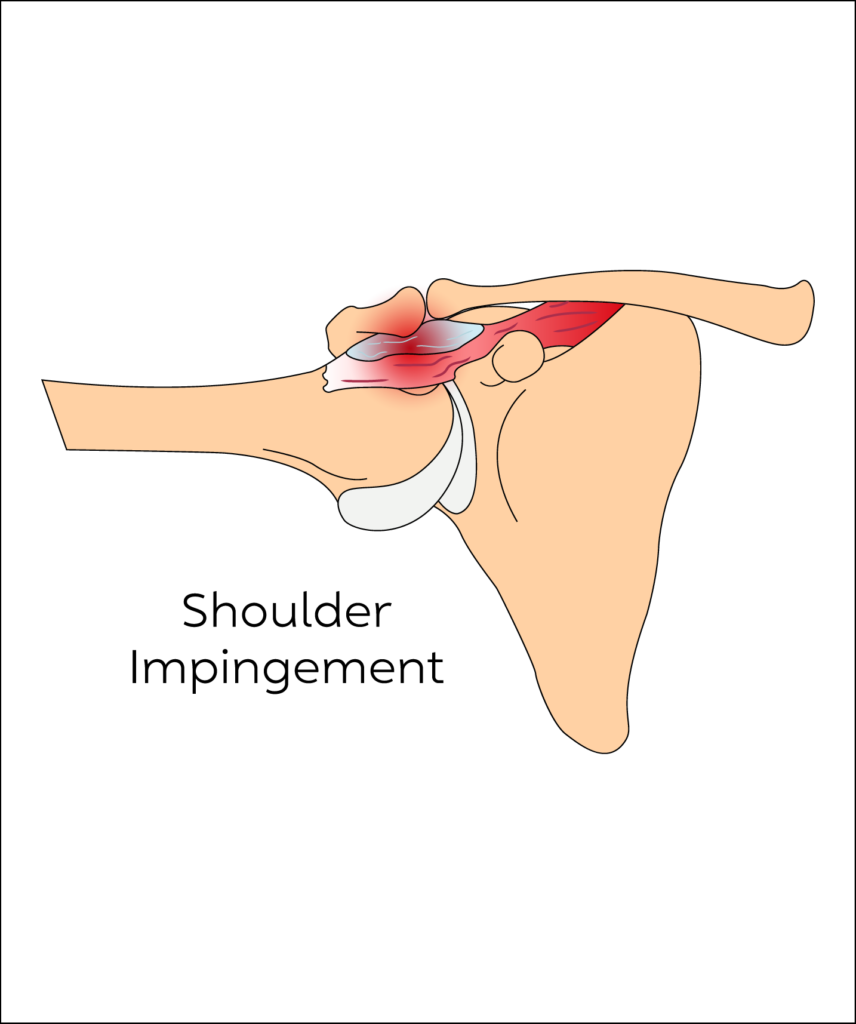
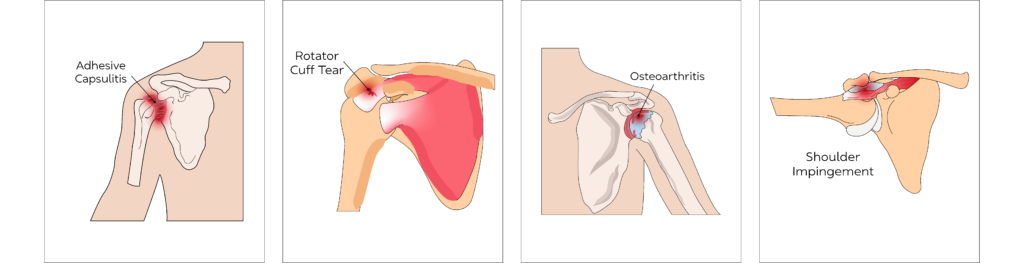
It includes a wide range of conditions that results in shoulder pain and restricted movements. These include rotator cuff tears (tendon tears), inflamed bursae secondary to tendonitis such as calcific tendonitis or tendonitis due to overuse as in the case of the supraspinatus tendon otherwise known as supraspinatus tendinitis (‘Painful Arc Syndrome’).
It can affect people of all ages
People will usually experience a dull aching pain when moving the shoulder, alongside some mild swelling. In more severe cases there is significant restriction of movement.
- If symptoms remain persistent for 3 months despite medication and physiotherapy, corticosteroid injections targeted using an ultrasound are a very effective form of treatment. They can help to significantly reduce inflammation and subsequently pain.
Tendonitis including Calcific Tendonitis (General)
Tendonitis is the inflammation of a tendon – the thick cord attaching bones to muscles. In Calcific tendonitis there are calcium deposits within the tendon causing inflammation and swelling and hence pain
Tendonitis can be common in anyone who works in an occupation or sports involving repetitive motion or strain on certain body parts. In the shoulder it mainly affects the supraspinatus tendon. Calcific tendonitis is most common in the 4th and 5th decade of life with 70% of patients being female.
Symptoms of tendonitis include pain on movement, reduced range of movement, swelling, redness and sometimes a lump may be felt over the tendon itself.
Ultrasound guided njections using corticosteroids reduce the inflammatory response and alleviate symptoms.
Rotator Cuff Tear
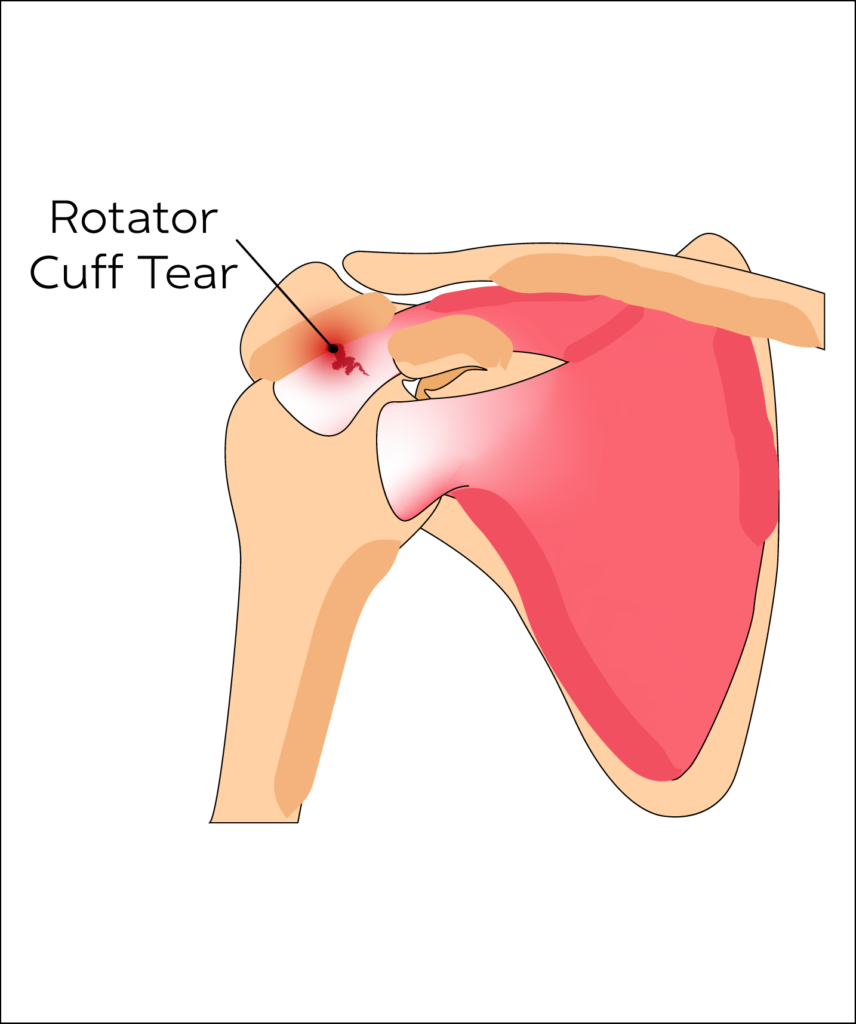
Rotator Cuff is a collective description for four muscles of the shoulder. A rotator cuff tear is a common injury in those who play sports or have repetitive work tasks. It can occur post injury or as a part of the ageing process.
Rotator Cuff Tears are common in adults.
The most common signs of a rotator cuff tear are pain while resting or at night especially whilst lying on the affected shoulder. Pain and crepitus (cracking)can occur on movement of the shoulder alongside restriction of movement. This in turn can lead to inflammation of bursa resulting in pain.
- Anti-inflammatory medication, ultrasound guided steroid injections (in selected cases of chronic tears) and physiotherapy are all common treatments for rotator cuff tears. There are also some regenerative medicine options.
Adhesive Capsulitis - Frozen Shoulder
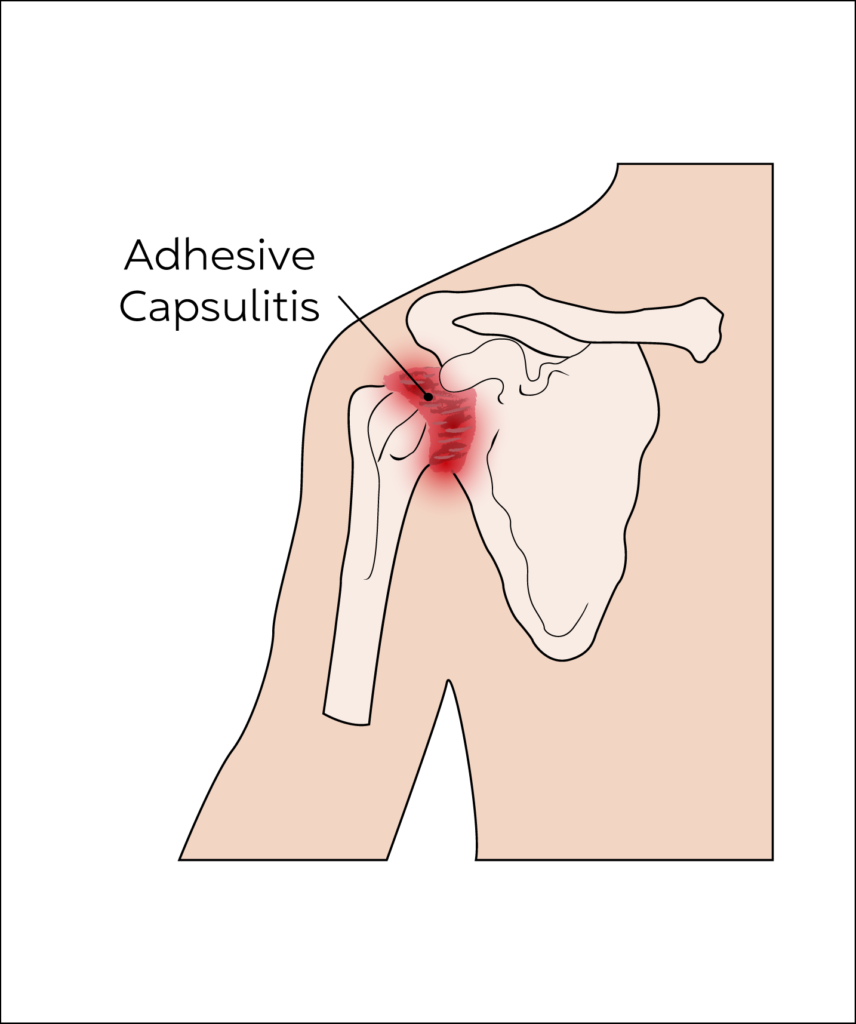
The covering of shoulder joints known as the capsule gets thickened, inflamed and scarred, which results in pain and restricted movement of the shoulder joint. Pain is usually worse at night affecting sleep and can radiate into the arm and/or neck.
Frozen shoulder affects 2% to 5% of the population with 1 in 5 developing the condition in both shoulders. It occurs more commonly in women and patients with diabetes.
Pain and restriction of movements are the predominant presenting complaint. Pain is usually worse at night restricting sleep, waking them up at night and can radiate into the arm and/or neck.
Ultrasound guided injection into the joint using corticosteroid and local anaesthetic are an effective method of getting short term pain relief so that individuals can engage with physical therapy and rehabilitation. Another modality of treatment offered here at Rejuvence Clinic is Hydrodistension.
Osteoarthritis
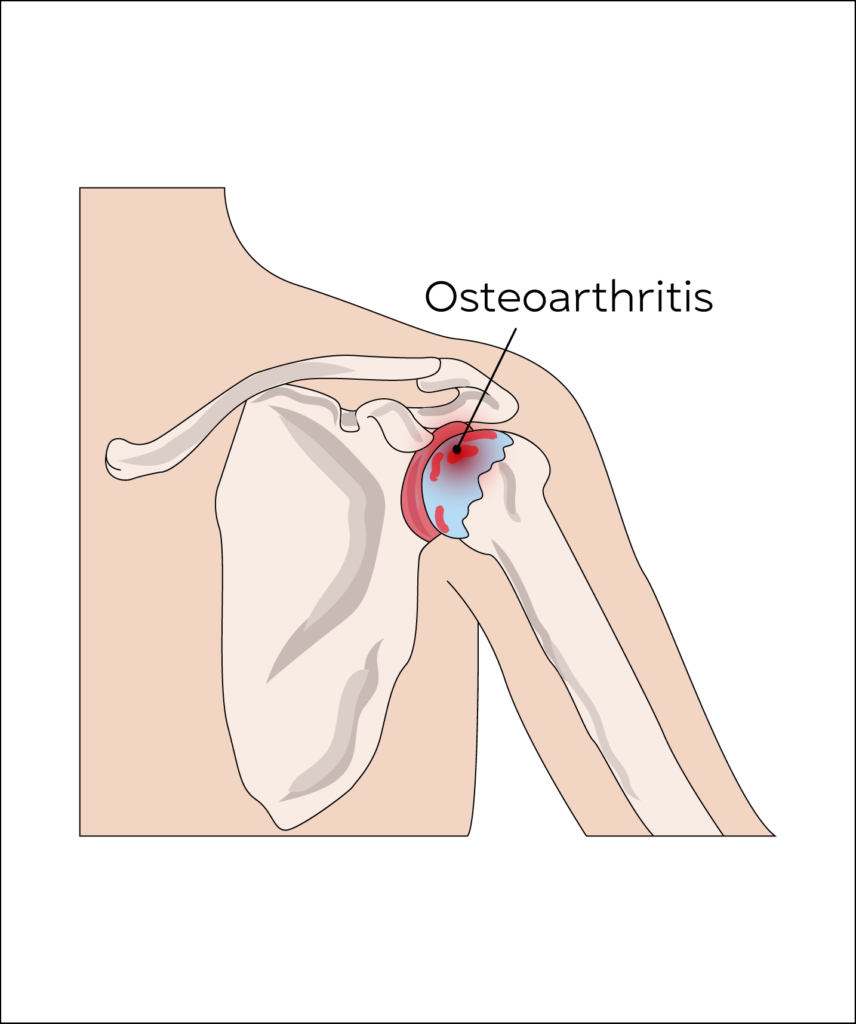
Osteoarthritis is a painful condition affecting any joint with articular cartilage due to gradual wear and tear of the articular cartilage, which protects the bone ends.
It is more common in those aged over 50 and especially more in females and a family history.
Dull deep seated shoulder pain with grinding and clicking sensation on shoulder movements. Restriction and pain early in the morning worsen, as the condition progresses alongside limitation of overhead activities.
Ultrasound Guided Injection therapy when combined with physical therapy offers good symptomatic relief in painful osteoarthritis. Targeted injection under ultrasound guidance using steroids or Hyaluronic acid are effective in pain relief.
Steroid injections
- 1 Area – £250
- 2 Areas – £450
HA Injections:
- 1 Area
- Ostenil Plus – £425
- 2 Areas
- Ostenil Plus – £625
- 3 Areas
- Ostenil Plus – £800
Hydrodistension for Frozen Shoulder – £365
Arthrosamid – £2,300
PRP (Angel Arthrex PRP) – £1,250
ExoSmart (PRP & Exosomes) – £1,650
Elbows
Our range of musculoskeletal injections can help improve pain and inflammation in a number of conditions affecting the elbow.
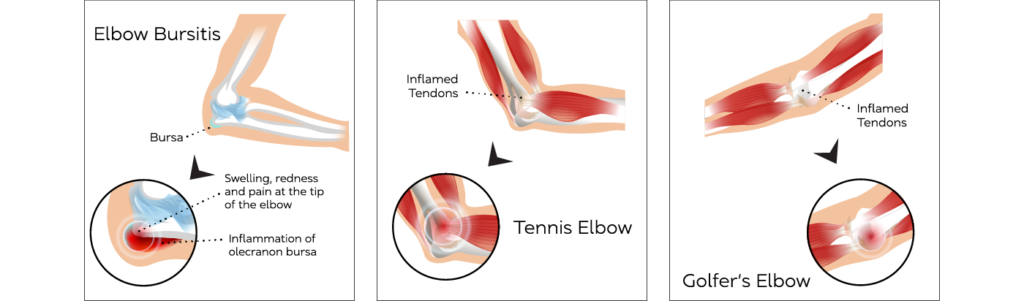
Olecranon Bursitis
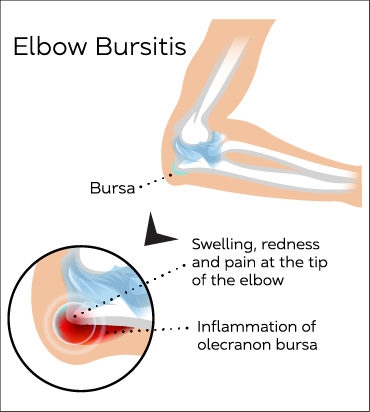
Olecranon Bursitis is caused by the inflammation of the fluid sac that is between the olecranon (point of the elbow) and the skin.
Olecranon Bursitis is a common condition.
Common symptoms include localised swelling and tenderness, pain on movement, and redness.
Ultrasound guided aspiration (removal of fluid) followed by injection of local anaesthetic combined with corticosteroid often gives a large amount of symptomatic pain relief.
Tennis elbow
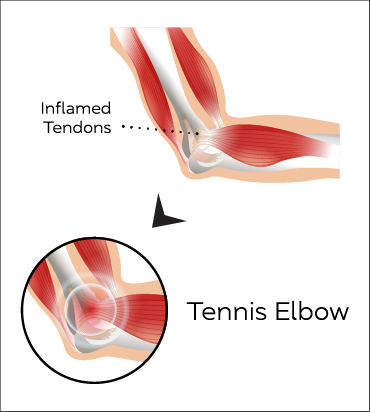
When tendons in the elbow are overloaded and repeatedly used, a person can develop a Tennis Elbow.
Tennis Elbow is common in people who have jobs that require repetitive motions of the arm and wrist.
Tennis elbow symptoms include pain and tenderness of the bone on the outside of the elbow. The pain may radiate into the upper or lower arm, with pain on hand movements like gripping, holding objects and turning door knobs.
Ultrasound can be used to identify and confirm the condition. An ultrasound guided injection using steroids, hyaluronic acid or regenerative medicine products can be offered as treatment.
Golfer's elbow
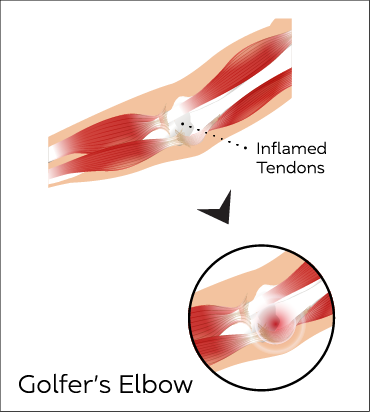
Golfer’s Elbow is a condition that causes pain and inflammation in the tendons connecting the forearm to the elbow.
Golfer’s Elbow is common in people who go from rarely using their forearm muscles to using them a lot.
The most common signs of Golfer’s Elbow are pain and tenderness on the inner side of the elbow that can extend along the forearm, a general stiffness of the elbow, weakness in the wrists and hands and a possible numbing sensation or tingling in the joint.
Ultrasound can be used to identify and confirm the condition. An ultrasound guided injection using steroids, hyaluronic acid or regenerative medicine products can be offered as treatment.
Steroid injections
- 1 Area – £250
- 2 Areas – £450
HA Injections:
- 1 Area
- Ostenil Plus – £425
- 2 Areas
- Ostenil Plus – £625
- 3 Areas
- Ostenil Plus – £800
Hydrodistension for Frozen Shoulder – £365
Arthrosamid – £2,300
PRP (Angel Arthrex PRP) – £1,250
ExoSmart (PRP & Exosomes) – £1,650
Wrist & Hand
Our range of musculoskeletal injections can help improve pain and inflammation in several conditions affecting the wrist and hand.
DeQuervain’s Tenosynovitis
DeQuervain’s Tenosynovitis is inflammation of two tendons that control the movement of the thumb.
More commonly seen in females, especially during pregnancy and post childbirth.
This condition can happen suddenly or gradually. The main symptoms are usually swelling and pain at the base of the thumb, swelling and pain on the side of the thumb and pain along the back of the thumb. Sometimes the pain may travel into the thumb or up to the forearm.
Treatment for de Quervain’s tenosynovitis is aimed at reducing inflammation and pain with ultrasound guided corticosteroid injections into the tendon sheath; preserving movement in the thumb immobilising the thumb and wrist; preventing recurrence by avoiding repetitive thumb movements as much as possible. If the case is more serious surgery may be needed.
Tendonitis
Tendonitis is also called overuse tendinopathy and it represents inflammation of a tendon.
It is a common condition often caused by repetitive, minor impact on the affected area, or from a sudden more serious injury.
Common symptoms include: pain or tenderness at or near a joint, especially around a shoulder, wrist, elbow, or ankle; stiffness that, along with the pain, restricts the movement of the joint involved; mild swelling or thickening of the tendon near the joint.
The main goals of tendonitis treatment are to relieve the pain and reduce inflammation using corticosteroid injections. Ultrasound can be used not only to confirm the condition but also guide injection to the targeted area.
Carpal Tunnel Syndrome
Carpal Tunnel Syndrome is the most common peripheral nerve compressive condition. It is caused by one’s median nerve being compressed at the wrist where it passes through a tight space as it travels from the forearm into the hand.
It affects up to 16% of the population, affecting women up to 3 times more compared to men. Carpal Tunnel Syndrome is seen more during pregnancy and amongst manual labourers.
Carpal Tunnel presents as pins and needles sensation or altered sensation, predominantly affecting the thumb, index and middle fingers. Worses at night and can affect sleep.
Ultrasound can be used to visualise the nerve and take some measurements to assess for thickening of the nerve. It is accurate as a nerve conduction study to diagnose the condition when combined with history and clinical examination. The treatment of this condition includes targeted ultrasound guided injections around the nerve with corticosteroids.
Wrist Arthritis and Hand arthritis
Osteoarthritis of wrist and hand are more common with increasing age. It can occur with no apparent cause (most common) or following previous trauma. Wear and tear of joint cartilage causes inflammation and pain.
Common with advancing age in both men and women.
Pain and stiffness, especially early in the morning at the early stages and as the condition advances painful restriction of movements and swelling of joint
Osteoarthritis cannot be cured, but injections administered into the joint using steroids or Hyaluronic acid do give short and long term relief of symptoms.
Trigger Finger & Trigger Thumb
Trigger Finger is caused by inflammation of the tendon sheath (layer of tissue covering a tendon) causing it to catch around a band of ligament in the palm of hand.
Affecting 2-3% of the population in general but can be up to 16% of people with diabetes mellitus.
Patients present with clicking, catching, triggering, or locking episodes of the fingers during day-to-day activities.
Using ultrasound, the condition can be diagnosed and an ultrasound guided targeted injection into the inflamed tendon can help reduce pain and in some cases even cure the condition.
Steroid injections
- 1 Area – £250
- 2 Areas – £450
HA Injections:
- 1 Area
- Ostenil Plus – £425
- 2 Areas
- Ostenil Plus – £625
- 3 Areas
- Ostenil Plus – £800
Hydrodistension for Frozen Shoulder – £365
Arthrosamid – £2,300
PRP (Angel Arthrex PRP) – £1,250
ExoSmart (PRP & Exosomes) – £1,650
Lower Limb Injections
Hips
Our range of musculoskeletal injections can help improve pain and inflammation in several conditions affecting the hip.
Trochanteric Bursitis
A bursa is a normal fluid filled sac around or between tendons and bones that aid in providing smooth lubricated and pain free movements. Such a space seen around the outer aspect of the hip joint is called the trochanteric bursa. When this gets inflamed it causes pain and is referred to as trochanteric bursitis.
Trochanteric Bursitis is a common condition, affecting up to 10-15% of the population.
The main symptoms of Trochanteric Bursitis are pain and swelling over the sides of the hip bone that may travel down along the outside of the thigh to the knee. Pain can significantly worsen at night affecting sleep.
For those continuing to have persistent symptoms after a course of physiotherapy and rehabilitation, ultrasound guided injection targeting the inflamed bursa with either a steroid or regenerative medicine product has been shown to provide significant relief of symptoms.
Hip Arthritis
Osteoarthritis is a painful degenerative condition affecting any joint with articular cartilage due to gradual wear and tear of the articular cartilage, which protects the bone ends.
It affects 6-8% of the population mostly affecting those over 50 years of age.
Common symptoms include pain in the groin when standing up, difficulty in wearing footwear, getting in and out of the bath or car. Pain worsens with activity and is relieved by rest.
Osteoarthritis cannot be cured, but injections administered into the joint using steroids or Hyaluronic acid can give short and long term relief of symptoms.
Knee
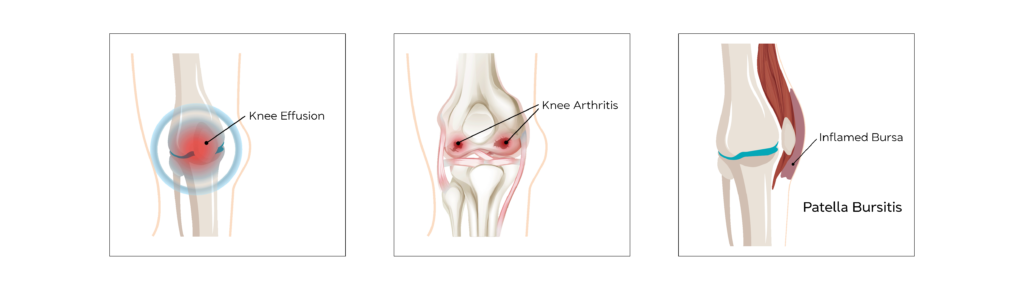
Knee Effusion
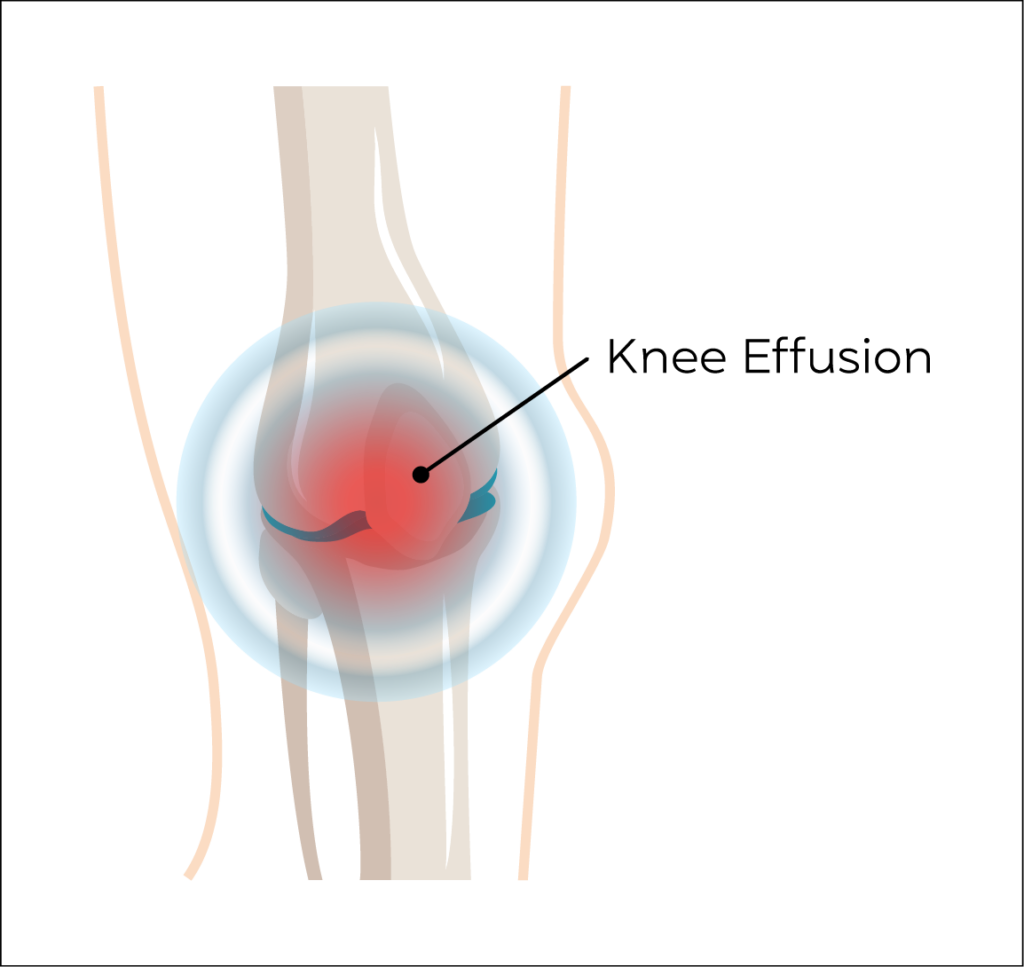
Knee joint Effusion is when excess fluid accumulates in or around the knee joint. A normal average knee joint has 4-6 mls of synovial fluid. It can result from both trauma and non-traumatic causes such as inflammation.
It is a relatively common condition.
The main symptoms of knee effusion are swelling and redness of the skin around the kneecap, stiffness in the joint and difficulty straightening or putting weight on the knee, alongside a pain.
Ultrasound can measure the extent of an effusion and can be used to drain the fluid using a needle followed by an injection of steroids to help prevent recurrence especially in inflammatory conditions.
Patella Bursitis (Supra/Pre/Infra)
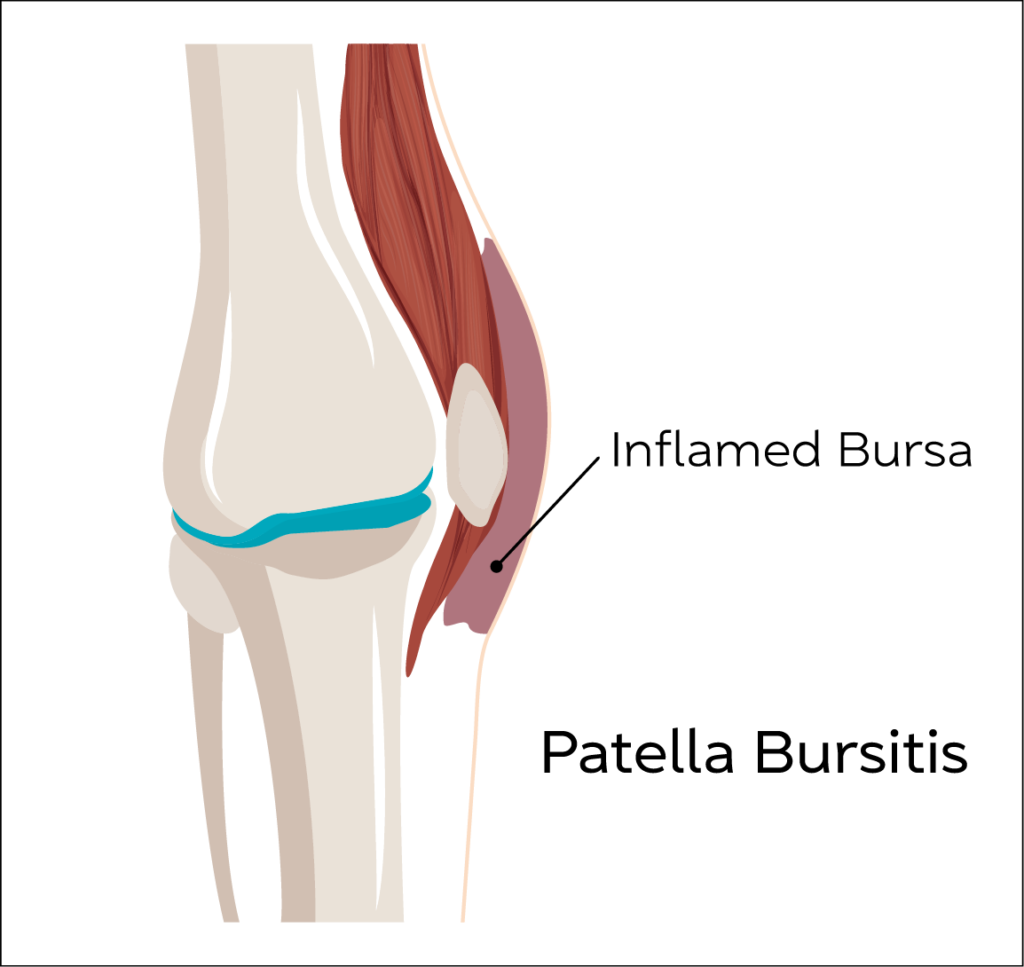
Inflammation of normal fluid filled spaces around the knee joint.
Patella Bursitis can be common in people with repetitive work tasks that result in kneeling for prolonged periods.
Common symptoms of patella bursitis are pain during activity, rapid swelling in the front of the kneecap, tenderness and a slight rise in temperature of the area.
If symptoms are not relieved with simple anti inflammatory medications and activity modification, ultrasound guided aspiration followed by steroid injections have proven to give relief of symptoms
Knee Arthritis
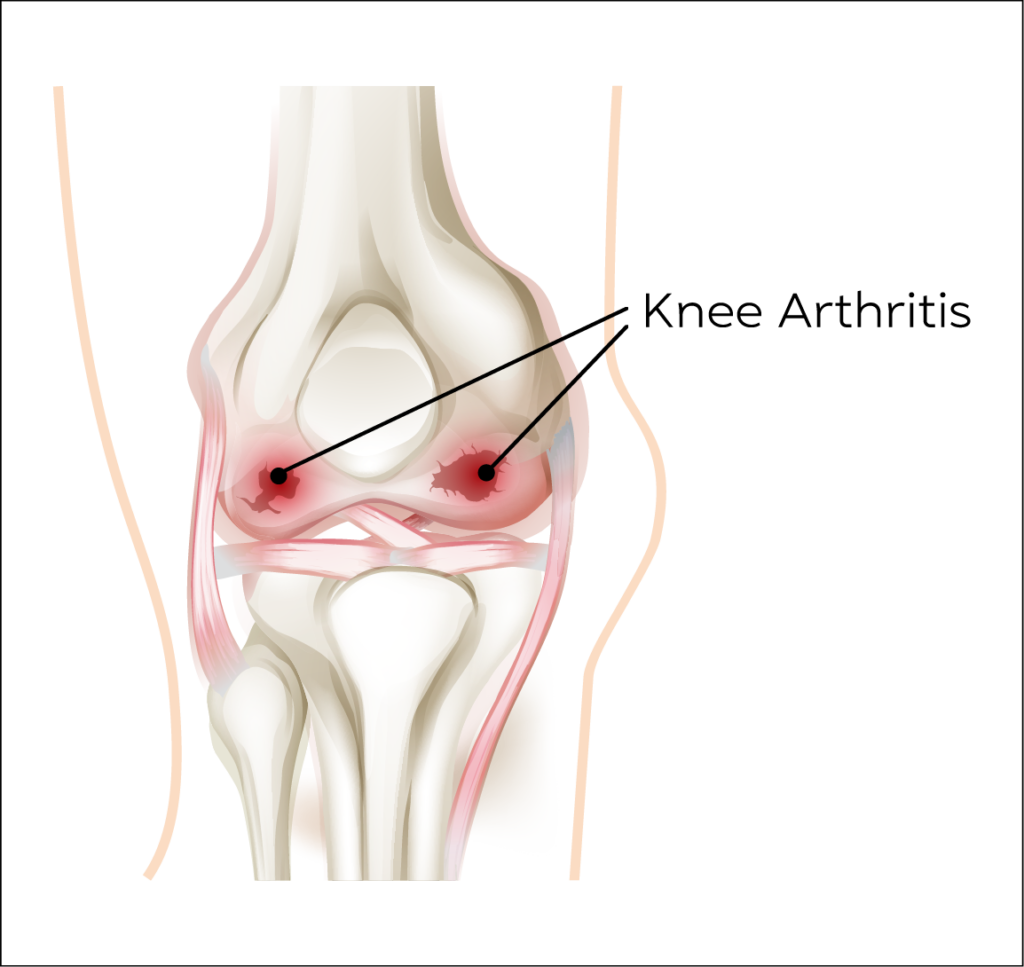
Osteoarthritis is a painful degenerative condition affecting any joint with articular cartilage due to gradual wear and tear of the articular cartilage, which protects the bone ends.
It affects around 18% of the population with 1 in 5 above the age of 45 seeking medical help.
Main symptoms are pain and swelling of the knee with activity and relieved by rest. Early morning stiffness in the initial stages which can progress to constant severe pain, progressing to deformity of the knee joint.
Osteoarthritis cannot be cured by medications, but injections administered into the joint using steroids or Hyaluronic acid do give short and long term relief of symptoms.
Steroid injections
- 1 Area – £250
- 2 Areas – £450
HA Injections:
- 1 Area
- Ostenil Plus – £425
- 2 Areas
- Ostenil Plus – £625
- 3 Areas
- Ostenil Plus – £800
Hydrodistension for Frozen Shoulder – £365
Arthrosamid – £2,300
PRP (Angel Arthrex PRP) – £1,250
ExoSmart (PRP & Exosomes) – £1,650
Ankle & Feet
Our range of musculoskeletal injections can help improve pain and inflammation in several conditions affecting the ankle, feet and toes.
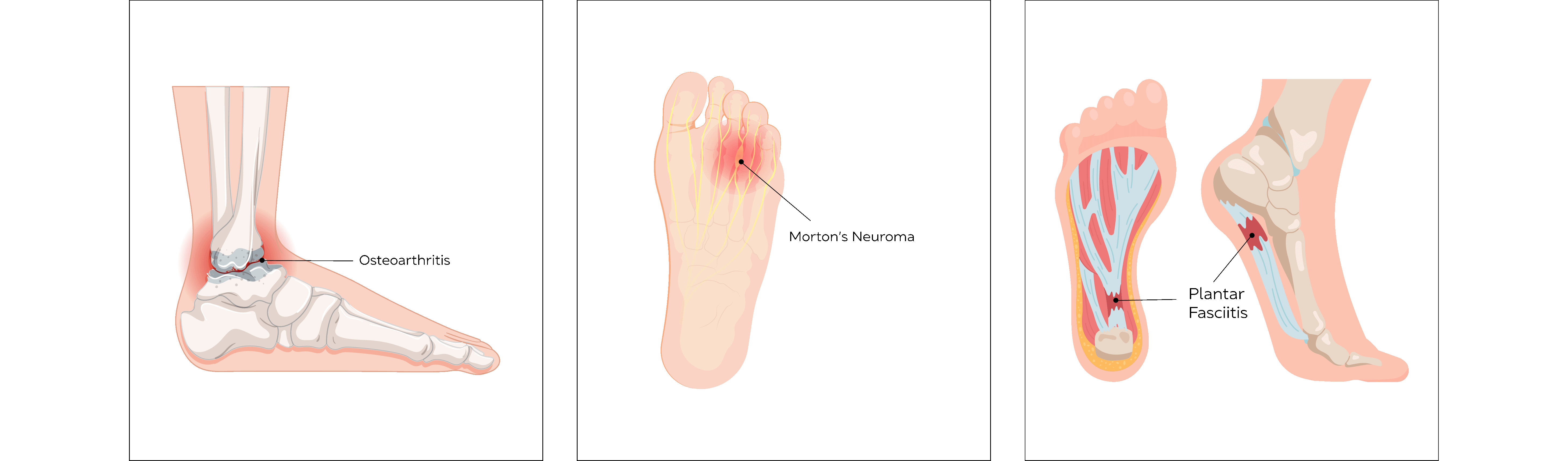
Plantar Fasciitis
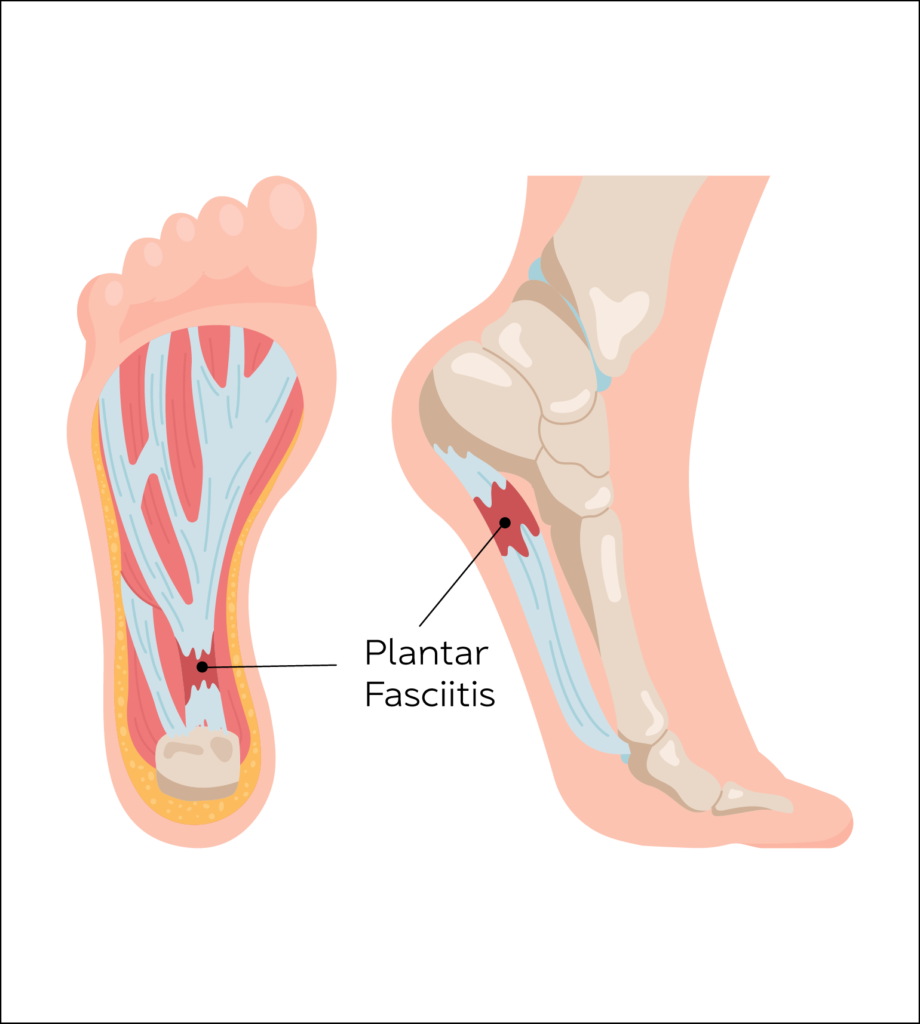
Inflammation of a thick band of tissue that runs from the heel to toes at the attachment to the heel.
Affects 3-7% of the population.
The main symptom of plantar fasciitis is morning pain or pain at the beginning of activity after rest, which may worsen by the end of the day.
Ultrasound can be used both as a diagnostic tool and delivering treatment if other modalities of treatment fail to relieve symptoms. Guided injection using steroids relieve inflammation and aid in rehabilitation.
Morton’s Neuroma
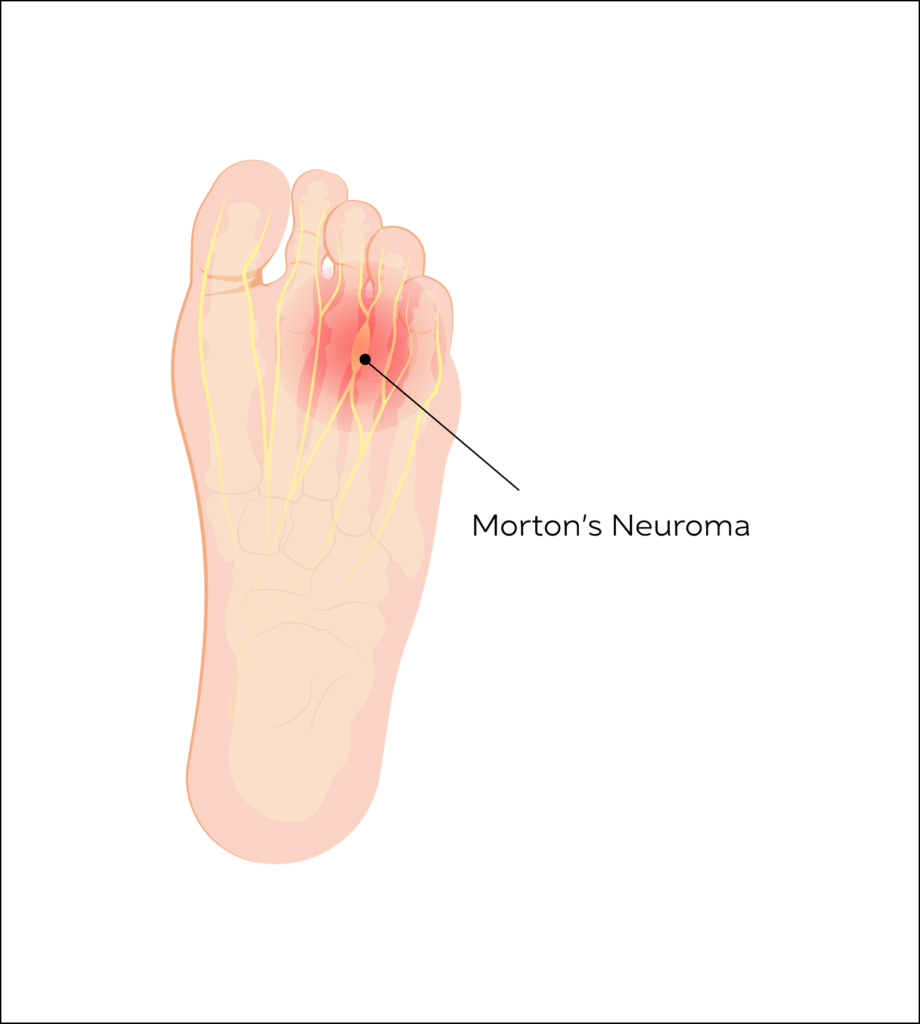
Morton’s Neuroma is when a small digital nerve normally found between the bones of the forefoot gets inflamed and produces forefoot pain. Mostly seen between the 3rd and 4th toes.
This condition is seen predominantly in the female population and can affect up to 20% of the population in general.
Morton’s neuroma can present as sharp shooting pain in the forefoot with activities including weight bearing. Some patients report symptoms of walking on “pebbles”.
Ultrasound can be used to not only diagnose the condition, but also target steroid injections into the lesion and help relieve pain.
Arthritis of Ankle, Mid Foot & Big Toe
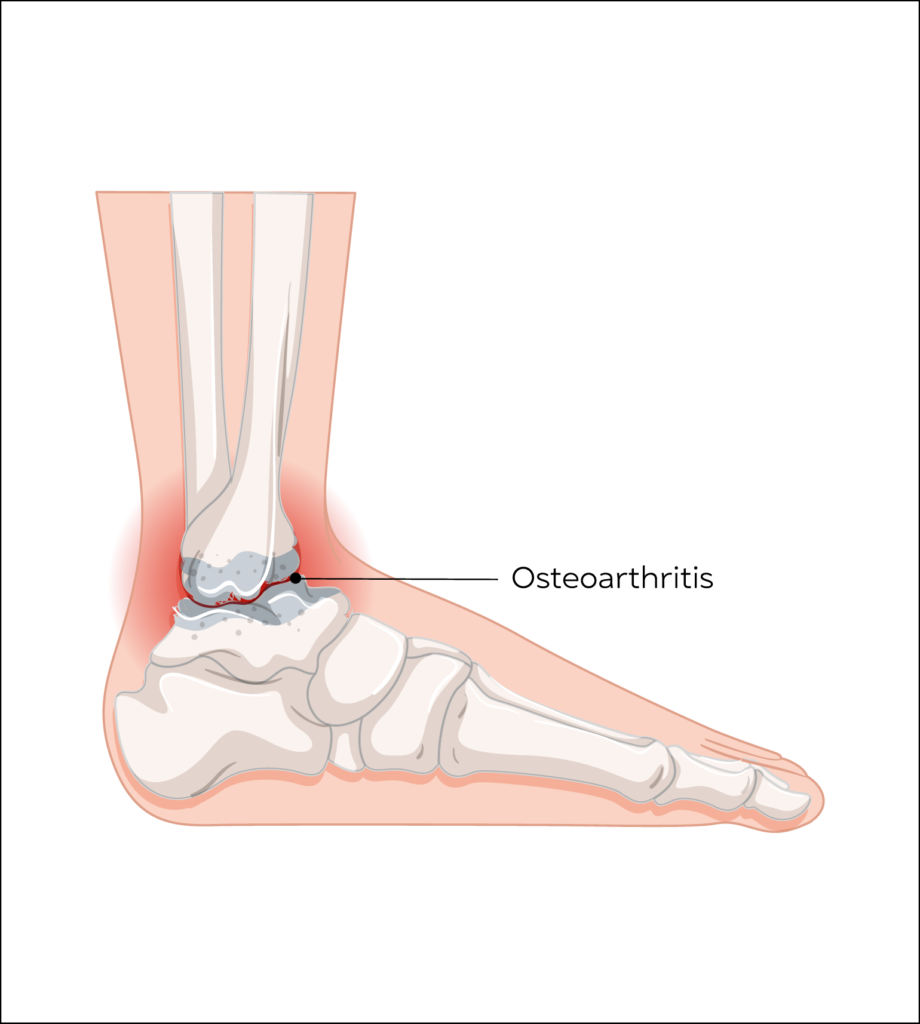
Osteoarthritis is a painful degenerative condition affecting any joint with articular cartilage due to gradual wear and tear of the articular cartilage, which protects the bone ends.
It is not as common as hip or knee osteoarthritis but is increasing in incidence.
Pain, swelling and restriction of joint movements and later physical deformity of the foot and toes can occur.
Osteoarthritis cannot be cured by medication, but injections administered into the joint using steroids or Hyaluronic acid do give short and long term relief of symptoms.
Steroid injections
- 1 Area – £250
- 2 Areas – £450
HA Injections:
- 1 Area
- Ostenil Plus – £425
- 2 Areas
- Ostenil Plus – £625
- 3 Areas
- Ostenil Plus – £800
Hydrodistension for Frozen Shoulder – £365
Arthrosamid – £2,300
PRP (Angel Arthrex PRP) – £1,250
ExoSmart (PRP & Exosomes) – £1,650
Yes, all injections given into joints, around tendons, ligaments and other structures should be performed under some radiological guidance (ultrasound being one of them). It provides a real time visualisation, thus reducing complications by avoiding vital structures like nerves, blood vessels and tendons.
At Rejuvence Medical we offer musculoskeletal injections administered by a highly qualified Trauma and Orthopaedic Surgeon – Mr Zak – who has an advanced postgraduate certification in Ultrasound guided musculoskeletal injections.
At Rejuvence Medical, your clinician will select the most suitable medication and dosage based on your specific condition and symptoms. An initial clinical examination, review of any previous investigations or an ultrasound scan may be performed, as appropriate to ensure accurate diagnosis and precise delivery of the injection.
For safety, we may need to delay the injection if you have unstable blood pressure, fluctuating blood sugar levels due to diabetes or have an active infection.
Immediately after the injection, you may experience temporary pain relief if a local anaesthetic was used. However, this initial numbness will wear off in a few hours. The full benefits of the steroid usually manifest within a week or two, significantly reducing pain and inflammation. With hyaluronic acid injections there can be some swelling initially but this resolves within a couple of days.
We recommend arranging for transport home after your injection, especially if a local anaesthetic is used, as it may cause temporary numbness. If you receive an injection into a joint, avoid strenuous activity for around two days. For injections near tendons, it’s advisable to avoid heavy impact or strenuous loading activities for 10 to 14 days. Our doctor will provide specific advice on returning to your usual activities.
If the injection provides significant pain relief and other treatments have not been effective or are unsuitable, steroid injections can be safely repeated. In some cases, injections are used as a “window of opportunity” to engage in rehabilitation exercises. As your pain is better managed, the focus shifts to exercise and conservative treatment, potentially reducing the need for further injections. You can discuss the possibility of repeat injections with our doctor. In more chronic conditions such as osteoarthritis, hyaluronic acid injections may be appropriate to repeat.
Most patients have steroid injections without significant side effects. The risk of side effects may increase with stronger doses, but our ultrasound-guided injections aim to minimise these risks by using the smallest effective dose. The steroids we use are long-acting and offer prolonged pain relief.
While the injection process is generally well-tolerated, a small percentage of patients may experience a post-injection flare, characterised by increased pain within the first 24 hours. This typically subsides within a few days, and simple painkillers or a cold compress can help manage discomfort.
In rare cases, steroid injections can cause localised thinning or lightening of the skin at the injection site. These changes usually resolve within a few months. Although infection is a rare side effect (approximately 1 in 50,000), it’s a serious concern. At Rejuvence Medical, we adhere to strict infection prevention protocols to minimise this risk. Should you experience increased pain, swelling, or heat in the injection area, contact us immediately.
Steroid injections generally have a lower risk of systemic side effects compared to oral steroids, making significant weight gain unlikely. However, patients with diabetes may experience temporary fluctuations in blood sugar levels. It’s important to monitor your blood sugar closely for about two weeks following the injection. If you have concerns, consult your GP before booking the procedure.
Steroid injections generally have a lower risk of systemic side effects compared to oral steroids, making significant weight gain unlikely. However, patients with diabetes may experience temporary fluctuations in blood sugar levels. It’s important to monitor your blood sugar closely for about two weeks following the injection. If you have concerns, consult your GP before booking the procedure.
Other Considerations
Some patients may experience minor side effects, such as facial flushing, temporary changes in menstruation, or mood alterations. Most medications can be taken alongside steroid injections, but it’s essential to check with your GP if you are undergoing treatment for conditions like diabetes, cancer, or HIV. If you are taking blood-thinning medications, a blood test may be required to ensure the injection is safe.
Steroid Injections During Pregnancy and Breastfeeding
Unfortunately, we cannot offer steroid injections to pregnant patients due to unknown risks to the unborn baby. If you are breastfeeding, please consult with your clinician. Most injections are considered safe, but it’s important to follow the guidance provided by healthcare professionals.
At Rejuvence, we are committed to providing personalised care with the highest standards of safety and effectiveness. Our experienced doctors and state-of-the-art facilities ensure that you receive the best possible treatment tailored to your needs.