
















Can PRP Cause Headaches? A Doctor Guide
Yes, headaches occur in approximately 10-15% of PRP patients, typically developing within 24-48 hours post-treatment. Most headaches resolve within 3-5 days without intervention, representing temporary

Yes, headaches occur in approximately 10-15% of PRP patients, typically developing within 24-48 hours post-treatment. Most headaches resolve within 3-5 days without intervention, representing temporary
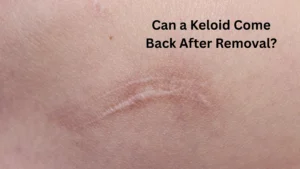
Yes, keloids frequently recur after removal, with 50-80% recurrence rates depending on treatment method and post-treatment care. This high recurrence distinguishes keloids from normal scars

Yes, you can wash your hair after PRP treatment, but wait 24-48 hours before the first wash. This allows platelet-derived growth factors to penetrate scalp
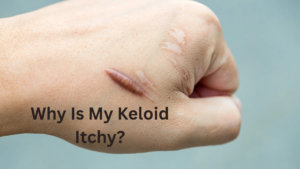
Keloid itching represents one of the most distressing symptoms patients experience, often worse than the appearance of the scar itself. Persistent itching develops from chronic
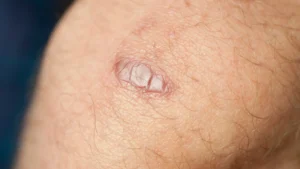
Yes, keloids do change colour over time, though patterns differ significantly from normal scar healing. Most keloids start red or pink then darken to purple,
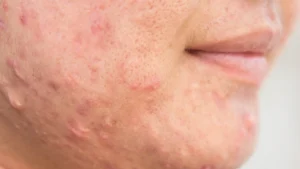
Understanding the difference between keloid scars and normal healing is crucial for seeking appropriate treatment. Many people mistake normal scars or hypertrophic scars for keloids,
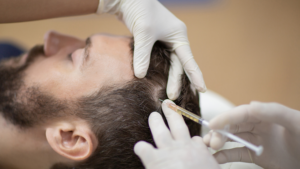
Experiencing increased hair shedding after PRP treatment alarms many patients, but this temporary shedding phase is often a positive sign of follicle activation. Approximately 30-40%
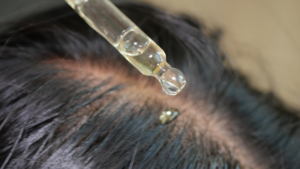
Yes, PRP can significantly slow progressive hair thinning in most patients, with clinical studies showing 60-70% of patients experience reduced shedding and stabilisation. PRP works
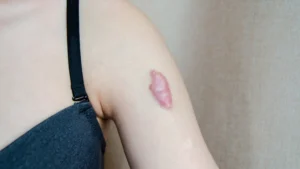
Keloids are considered medically permanent because they don’t spontaneously resolve without treatment. However, “permanent” doesn’t mean untreatable; with proper intervention, keloids can be removed, flattened,
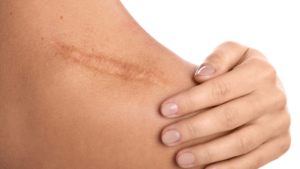
Yes, keloids are significantly more common in darker skin types, with Black African and Afro-Caribbean populations showing 15-20 times higher prevalence than white Europeans. This