

















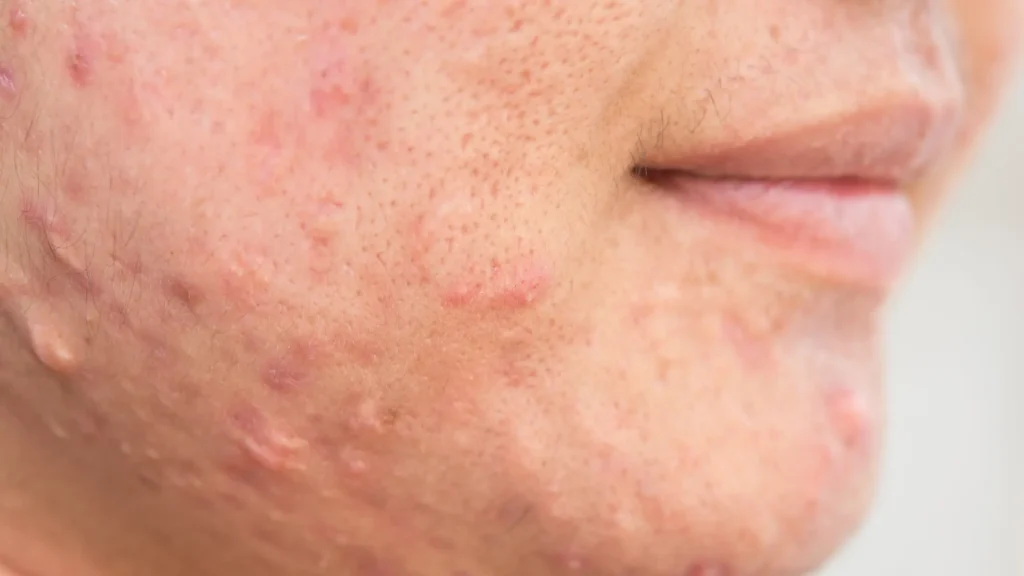
Understanding the difference between keloid scars and normal healing is crucial for seeking appropriate treatment. Many people mistake normal scars or hypertrophic scars for keloids, leading to unnecessary worry or delayed proper care.
This guide explains the key differences in appearance, behaviour, and treatment requirements between keloid scars and normal scarring.
Normal Scar Formation
Normal scars follow a predictable healing pattern that stabilises within 12-24 months. The body produces collagen to repair damaged skin, creating scar tissue that differs from surrounding skin but remains controlled. Normal scars stay flat or slightly raised, remain within original injury boundaries, and gradually fade from pink to pale white.
Most scars reach final appearance within 12-24 months, with initial redness fading within 3-6 months. Unlike keloids, normal scars don’t continue growing beyond the injury site and don’t cause persistent symptoms after healing completes.
What Makes Keloid Scars Different
Keloids represent abnormal wound healing where scar tissue grows beyond original injury boundaries and continues expanding. Fibroblasts produce excessive collagen without normal regulatory mechanisms, creating raised, firm tissue that can grow substantially larger than the initial wound.
The defining characteristic is growth extending past the original injury site. A small ear piercing might develop into a 2-3cm keloid over months to years. This invasive growth pattern distinguishes keloids from all other scar types and makes them particularly challenging to treat.
Hypertrophic Scars: The Middle Ground
Hypertrophic scars often get confused with keloids but represent a distinct scar type. They remain confined to the original injury site unlike keloids which grow beyond wound boundaries. Hypertrophic scars typically develop within weeks of injury and may improve spontaneously over 1-2 years.
Both appear raised, red, and firm, making visual distinction difficult. However, the critical difference lies in whether scar tissue extends beyond the injury boundary. Hypertrophic scars respond well to silicone gel sheets and basic steroid injections, whilst keloids require more aggressive multi-modal treatment.
Visual Differences
Appearance provides important clues to scar type, though professional assessment confirms diagnosis. Recognising these differences helps patients know when to seek specialist evaluation.
| Characteristic | Normal Scar | Hypertrophic Scar | Keloid Scar |
| Boundaries | Stays within injury | Stays within injury | Grows beyond injury |
| Elevation | Flat or minimal | Raised, rope-like | Raised, firm, expanding |
| Colour | Pink to pale white | Red to purple | Dark red to brown |
| Timeline | Improves 12-24 months | May improve 1-2 years | Continuously worsens |
| Symptoms | Minimal after healing | Itching, tenderness | Persistent itching, pain |
Colour and Texture
Normal scars progress from pink to pale white over 12-24 months. Keloids often develop dark pigmentation, appearing red-brown or purple-brown, particularly in darker skin types where colour differences remain pronounced. This hyperpigmentation pattern distinguishes keloids from other scars.
Normal scars feel smooth or slightly firm depending on injury type. Keloids feel hard, rubbery, and distinctly different from surrounding skin, with texture that doesn’t soften over time.
Symptoms and Sensations
Physical symptoms help distinguish keloid scars from normal healing. Normal scars may itch during active healing (0-3 months) but this resolves. Keloids cause persistent, often intense itching that continues indefinitely, with some patients reporting itching as the most distressing symptom affecting sleep.
Normal scars become pain-free once healing completes. Keloids frequently cause spontaneous pain, tenderness to touch, and discomfort with clothing friction even years after formation. Keloids can significantly impair function, particularly over joints or on ears.
Location Patterns
Anterior chest, shoulders, upper back, and earlobes represent prime keloid locations. These high-tension areas experience constant movement that stimulates excessive scarring. Keloids rarely develop on palms, soles, or genitals despite these areas healing well.
Hypertrophic scars commonly develop across high-tension areas including shoulder joints and chest. Most injuries heal with minimal scarring, particularly when proper wound care and minimal tension characterise healing.
Timeline Differences
Normal scars become visible immediately after injury, with peak redness at 2-6 weeks, then gradual improvement. By 6 months, most show substantial fading, reaching final appearance by 12-24 months.
Keloids may begin developing weeks to months after injury, sometimes emerging when the wound appears to heal normally. Growth continues progressively for months to years without treatment. Some keloids grow rapidly over 3-6 months, whilst others expand slowly over years.
Genetic and Ethnic Factors
Keloid prevalence varies dramatically by ethnicity. Black African and Afro-Caribbean populations show 15-20 times higher keloid risk than white Europeans. Asian populations demonstrate intermediate risk. Strong family history of keloids increases individual risk 5-10 fold.
Keloids most commonly develop between ages 10-30 years when healing responses are most vigorous. Children under 10 and adults over 50 rarely develop new keloids.
Treatment Approaches
Normal scars require no medical treatment, improving with time and basic wound care. Silicone gel sheets, massage, and sun protection optimise cosmetic outcomes if desired.
Hypertrophic scars respond to conservative measures including pressure therapy and basic steroid injections. Treatment courses are relatively short (3-6 months) with good success rates.
Keloids require aggressive, multi-modal treatment combining steroid injections, surgical excision, laser therapy, or cryotherapy. Comprehensive protocols with proper aftercare are essential to minimise 50-80% recurrence rates. Treatment extends over months to years with ongoing maintenance, though NHS access remains limited for comprehensive care.
When to Seek Assessment
Any scar growing beyond the original injury boundary requires immediate professional assessment. Persistent symptoms including itching, pain, or tenderness beyond 3-6 months post-injury suggest abnormal healing.
Smaller, newer keloids respond better to treatment than large, established ones. Early treatment may prevent progression to severe scarring requiring surgery. Understanding treatment options requires specialist expertise in advanced modalities.
Prevention for High-Risk Individuals
People with keloid tendency should avoid unnecessary ear piercing, tattoos, or cosmetic procedures. Prophylactic steroid injections at surgical sites may reduce risk. Proper wound care minimising inflammation and avoiding tension reduces keloid risk. Any scar showing early abnormal thickening warrants immediate treatment with steroids or silicone therapy.
Professional Diagnosis
Self-diagnosis proves unreliable for distinguishing scar types. Specialists assess scar boundaries, texture, and growth patterns through physical examination. Photographic documentation tracks scar evolution and demonstrates improvement not obvious to patients seeing scars daily.
Conclusion
Keloid scars differ fundamentally from normal scars through continuous growth beyond injury boundaries, persistent symptoms, and requirement for aggressive treatment. Hypertrophic scars represent an intermediate condition that stays within wound boundaries but may require treatment. If you’re uncertain whether your scar represents normal healing or pathological scarring, seek professional assessment for accurate diagnosis and appropriate treatment planning.
Frequently Asked Questions
How can I tell if my scar is a keloid or just healing normally?
Normal scars stay within original injury boundaries and improve over 12-24 months, whilst keloids grow beyond wound edges and continuously worsen. Normal healing involves decreasing redness and symptoms, whilst keloids cause persistent itching and pain that doesn’t resolve. If your scar extends past the injury site or shows symptoms beyond 6 months, seek professional assessment.
Can a normal scar turn into a keloid later?
No, normal scars don’t spontaneously transform into keloids years after healing. However, trauma to a normal scar from injury or infection could trigger keloid formation in susceptible individuals. What appears to be “transformation” typically represents new injury to the scar area causing fresh keloid development.
Are hypertrophic scars the same as keloids?
No, hypertrophic scars and keloids represent distinct pathological processes despite similar appearance. Hypertrophic scars remain confined to injury boundaries whilst keloids grow beyond them. Hypertrophic scars often improve spontaneously over 1-2 years, whilst keloids never regress without treatment.
Do keloids always feel different from normal scars?
Yes, keloids typically feel firm, rubbery, and distinctly harder than surrounding skin and normal scars. Normal scars feel similar to adjacent skin once healing completes. The pronounced texture difference makes keloids obvious to touch, whilst normal scars often become barely perceptible.
Can skin colour affect keloid appearance?
Yes, keloid appearance varies significantly with skin type. In darker skin, keloids often develop dark red-brown colouration that contrasts dramatically with surrounding skin. Lighter skin types show keloids as pink, red, or pale lesions. The colour difference proves more pronounced in darker skin types.
How quickly do keloids grow compared to normal scars?
Normal scars reach maximum size within weeks and then improve, whilst keloids may grow for months to years. Some keloids show rapid growth over 3-6 months, whilst others expand slowly over years. This continuous expansion without plateau distinguishes keloids from normal scars.
Should I wait to see if my scar improves before seeking treatment?
For suspected keloids, waiting is generally inadvisable as early treatment produces better outcomes. If a scar shows abnormal growth or symptoms persisting beyond 3-6 months, seek assessment. Early intervention may prevent progression requiring extensive treatment later. Normal scars can safely be observed, but keloids never spontaneously resolve.