
















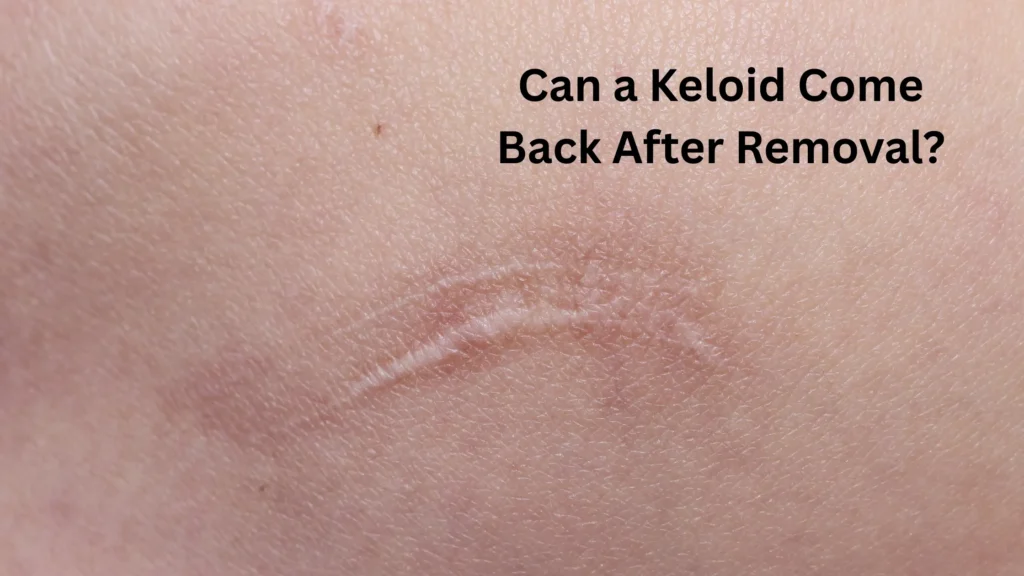
Yes, keloids frequently recur after removal, with 50-80% recurrence rates depending on treatment method and post-treatment care. This high recurrence distinguishes keloids from normal scars that don’t return once healed.
Understanding recurrence risk factors and prevention strategies helps set realistic expectations and guides treatment decisions for optimal long-term outcomes.
Why Keloids Recur After Removal
Keloids represent abnormal wound healing that persists even after tissue removal. The underlying biological tendency doesn’t resolve by treating individual keloids. This explains why keloids remain permanent unless properly managed.
Abnormal Healing Tendency
Keloid-prone individuals maintain lifelong genetic predisposition toward excessive scarring response. Removing keloid tissue doesn’t eliminate this fundamental healing abnormality. Any new wound in susceptible individuals risks triggering identical excessive scarring response.
Incomplete Cellular Removal
Surgical excision removes visible keloid tissue but may leave microscopic fibroblasts driving keloid formation. These residual cells resume excessive collagen production after healing completes. Even carefully planned procedures experience recurrence rates of 50-80%.
Wound Healing Reactivation
The treatment process itself creates new wounds requiring healing. In keloid-prone individuals, aggressive treatment paradoxically triggers renewed excessive scarring at the treatment site. New wound management determines whether recurrence occurs.
Recurrence Rates by Treatment Method
Different treatments carry varying recurrence risks. Understanding these differences guides treatment selection and realistic expectations.
| Treatment | Recurrence Rate | Timeline | Notes |
| Surgery alone | 50-80% | 3-12 months | Highest risk without adjunctive therapy |
| Surgery + steroids | 20-30% | 6-18 months | Significant improvement with combination |
| Steroid injections only | 30-50% | Variable | Ongoing maintenance required |
| Laser therapy alone | 10-20% | 6-12 months | Lower recurrence with proper technique |
| Multi-modal approach | 5-15% | 12+ months | Best outcomes with combined treatments |
Surgical Excision Alone
Surgery-only approach carries highest recurrence at 50-80%. Whilst removing visible tissue, surgical trauma triggers renewed keloid formation. Adding steroid injections dramatically reduces recurrence to 20-30%, making combined approach essential for better outcomes.
Steroid Injections
Intralesional steroid injections alone achieve 30-50% recurrence rates. These address inflammation but don’t prevent recurrence without additional interventions. Regular maintenance injections help sustain improvement.
Laser Treatment
Laser therapy shows lower recurrence at 10-20% when performed by experienced practitioners. Properly calibrated laser protocols targeting keloid vascularity achieve better outcomes. However, poorly executed laser treatment may worsen keloids.
Combined Approaches
Multi-modal treatment combining surgery, steroids, and adjunctive therapy achieves lowest recurrence rates of 5-15%. These comprehensive protocols addressing multiple pathways prevent keloid reproduction more effectively than single interventions.
Risk Factors for Recurrence
Certain patient and keloid characteristics predict higher recurrence likelihood. Identifying these helps guide appropriate intervention intensity.
Age and Skin Type
Younger patients and darker skin types show higher recurrence rates. Black African and Afro-Caribbean populations experience recurrence rates approaching 80% with surgery alone. This ethnic variation requires modified treatment approaches.
Keloid Size and Location
Large keloids (>10cm) recur more frequently than small ones. Chest, shoulders, and upper back show higher recurrence due to high-tension anatomy. Understanding location-specific factors helps predict individual risk.
Treatment Timing
Delayed treatment increases recurrence risk. Early intervention on developing keloids produces better outcomes. Established keloids (>2 years old) show higher recurrence tendency.
Post-Treatment Care Compliance
Poor compliance with post-treatment protocols dramatically increases recurrence. Patients avoiding pressure therapy or scheduled steroid injections experience significantly higher recurrence. Strict adherence substantially reduces risk.
Preventing Keloid Recurrence
Multiple evidence-based strategies reduce recurrence risk when properly implemented. According to NHS guidance, combining approaches proves most effective.
Adjunctive Therapy After Surgery
Steroid injections within 2-4 weeks of surgical excision significantly reduce recurrence. Monthly injections for 3-6 months following surgery maintain inflammation suppression. This combination reduces recurrence from 50-80% to 20-30%.
Pressure and Compression
Pressure garments applied immediately post-treatment for 12+ hours daily reduce recurrence risk. Consistent compression for 3-6 months minimum maintains benefit. This addresses inflammatory mediator accumulation.
Sun Protection
SPF 50+ sunscreen or protective clothing prevents UV-induced inflammatory response triggering recurrence. Strict sun avoidance for 6-12 months post-treatment supports healing.
Avoiding Re-injury
Preventing new injury to the treatment area is critical during healing. Avoid tight clothing, excessive friction, or trauma to recently treated sites. Re-injury during the healing window significantly increases recurrence risk.
Regular Monitoring
Follow-up appointments at 1, 3, and 6 months post-treatment detect early recurrence signs. Early intervention on emerging recurrence prevents progression. Photographic documentation tracks changes objectively.
When Keloids Return After Removal
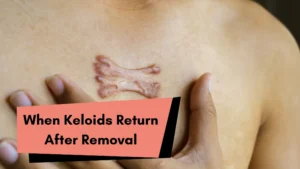
Early recognition of recurrence enables prompt intervention preventing major regrowth. Understanding recurrence patterns helps distinguish them from new keloid formation.
Timeline for Recurrence
Most recurrence develops within 6-12 months post-treatment. Some aggressive recurrence appears within 3 months. Medical research indicates late recurrence after 2+ years typically represents new keloid formation rather than original keloid return.
Signs of Recurrence
Firmness, thickening, or renewed growth at treatment site indicates recurrence. Redness, itching, or tenderness reappearing suggests keloid reformation. Early detection allows treatment adjustment before significant regrowth.
Distinguishing Recurrence from New Keloid
Recurrence develops at the exact treatment site, whilst new keloids form at separate locations. Understanding this distinction helps guide appropriate intervention. Medical professionals can differentiate recurrence from new formation during assessment.
Managing Recurrent Keloids
Options for treating recurrence include intensified protocols and alternative approaches. Specialist consultation optimises outcomes for aggressive recurrences.
Intensified Steroid Therapy
Increased steroid concentration or injection frequency addresses aggressive recurrence. Intralesional triamcinolone at higher doses may control resistant cases. Close monitoring ensures safety with intensified protocols.
Additional Laser Sessions
More frequent laser treatments prevent recurrence progression. Multi-laser approaches address multiple recurrence mechanisms simultaneously. Combining wavelengths shows promise for resistant recurrences.
Surgical Revision with Enhanced Adjunctive Therapy
Repeat surgical excision combined with aggressive steroid therapy addresses recurrent keloids. Specialised surgical technique minimising wound trauma improves outcomes. Expert surgical approaches significantly impact recurrence risk reduction.
Realistic Expectations Regarding Recurrence
Understanding recurrence likelihood helps patients make informed treatment decisions and maintain realistic perspectives.
Permanent Cure Likelihood
True permanent cure rarely occurs for large, established keloids. Rather, treatment aims at substantial improvement with ongoing management. Accepting this distinction guides realistic treatment expectations.
Long-term Management Approach
Viewing keloid treatment as ongoing management rather than one-time cure reduces disappointment. Maintenance treatments may be required indefinitely. This contrasts with normal scars which improve spontaneously.
Quality of Life Improvement
Even with recurrence risk, treatment significantly improves symptoms and appearance. Itching, pain, and psychological distress often resolve substantially. Many patients consider this symptomatic improvement worthwhile despite recurrence possibility.
Conclusion
Keloids frequently recur after removal due to persistent abnormal healing tendency, with 50-80% recurrence rates for surgery alone. Combined treatment approaches reduce recurrence to 5-15%. Understanding recurrence risk and implementing comprehensive prevention strategies optimises outcomes whilst maintaining realistic expectations about lifelong keloid management.
Frequently Asked Questions
What’s the chance my keloid will come back?
Recurrence depends on treatment method: surgery alone carries 50-80% risk, whilst combined surgery with steroids reduces this to 20-30%. Laser therapy shows 10-20% recurrence, and comprehensive multi-modal approaches achieve 5-15%. Individual factors including age, skin type, and keloid location influence specific risk.
How long after removal might my keloid return?
Most recurrence develops within 6-12 months post-treatment. Some aggressive recurrence appears within 3 months, whilst late recurrence after 2+ years typically represents new keloid formation. Regular monitoring during the first year identifies early recurrence enabling prompt intervention.
Can I prevent my keloid from coming back?
Yes, comprehensive prevention significantly reduces recurrence. Combine surgical treatment with monthly steroid injections for 3-6 months, apply pressure garments for 12+ hours daily for 3-6 months, protect from sun exposure, avoid re-injury, and attend regular follow-ups. Strict protocol compliance reduces recurrence substantially.
Does a recurrent keloid grow faster than the original?
Recurrent keloids often grow more aggressively than original keloids. The renewed scarring response becomes sensitised after initial formation. Re-treatment may be necessary sooner, and consultation with specialists experienced in recurrent keloid management proves important.
Are there treatments that prevent recurrence completely?
No single treatment prevents recurrence in all cases. Combined multi-modal approaches achieve lowest recurrence rates of 5-15% but don’t guarantee prevention. Realistic expectations focus on substantial reduction rather than absolute prevention, particularly for genetically predisposed individuals.
If my keloid returns, will treatment work again?
Yes, recurrent keloids respond to retreatment though may require more aggressive protocols. Early intervention on early recurrence produces better outcomes than allowing large regrowth. Specialists adjust treatment approaches based on previous response patterns.
Should I avoid treatment if recurrence is so common?
No, treatment remains worthwhile despite recurrence risk. Even recurrent keloids experience reduced severity with each treatment cycle. Quality of life improvement from symptom relief often justifies treatment despite recurrence possibility.