

















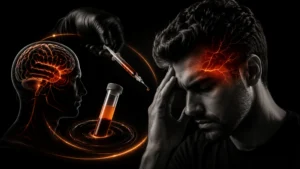
Yes, headaches occur in approximately 10-15% of PRP patients, typically developing within 24-48 hours post-treatment. Most headaches resolve within 3-5 days without intervention, representing temporary response rather than serious complication.
Understanding headache causes and management strategies helps patients distinguish normal post-treatment response from concerning symptoms requiring clinical evaluation.
How Common Are PRP Headaches?
Headaches represent common but manageable side effects for a subset of PRP patients. Occurrence rates vary by treatment location and individual factors.
Prevalence by Treatment Type
Scalp PRP shows highest headache rates at 10-15% of patients. Medical research confirms treatment locations involving head or neck experience elevated frequency compared to body areas.
Individual Risk Variation
Some patients experience severe headaches whilst others have no symptoms. Headache severity varies independently of PRP response effectiveness. Individual pain sensitivity and baseline headache history influence likelihood significantly.
Why PRP Causes Headaches
Multiple mechanisms contribute to post-PRP headaches. Understanding these helps patients manage symptoms effectively.
Local Inflammation Response
PRP injection sites develop temporary inflammation as treatment initiates healing response. This inflammation triggers pain signals in surrounding tissues. Scalp inflammation radiates to surrounding areas causing referred pain patterns.
Vasodilation and Blood Flow Changes
PRP growth factors promote vasodilation, increasing blood flow to treatment areas. Sudden vascular changes can trigger headaches similar to migraine mechanisms. This explains why some patients describe pulsing or pressure sensations.
Platelet Activation and Cytokine Release
Platelet activation releases numerous growth factors and inflammatory mediators into tissues. These chemicals stimulate nerve endings causing discomfort. The inflammatory cascade peaks 24-48 hours post-treatment coinciding with worst headache timing.
Muscle Tension
Scalp muscle tension commonly develops following PRP injection. Protective muscle guarding around injection sites creates tension headaches.
Headache Timeline Post-PRP
Understanding a typical headache timeline helps distinguish normal response from concerning patterns.
Onset and Duration
Headaches typically begin 4-24 hours after PRP treatment. Peak intensity usually occurs at 24-48 hours. Most headaches resolve completely within 3-5 days as inflammation subsides from normal healing progression.
Intensity Progression
Initial mild discomfort typically progresses to moderate intensity by 24-48 hours. Most headaches decrease progressively after peaking around day 2-3.
Variation by Individual
Some patients experience minimal discomfort throughout recovery. Others report significant headaches interfering with daily activities. This variation relates to individual pain sensitivity and inflammatory response intensity.
Types of Headaches Post-PRP
Different headache presentations occur following PRP treatment. Recognizing types helps guide management.
Tension Headaches
Tension-type headaches represent the most common post-PRP presentation. Patients describe pressure, tightness, or band-like sensation around the head. These typically respond well to conservative management approaches like rest and ice.
Migraine-like Headaches
Some patients experience throbbing, unilateral headaches resembling migraines. These may include light sensitivity or nausea. Migraine sufferers show higher risk of experiencing migraines after PRP based on baseline history.
Referred Pain Headaches
Scalp inflammation sometimes refers to pain in the forehead, temples, or neck areas. This referred pattern typically resolves as local inflammation decreases.
Risk Factors for PRP Headaches
Certain characteristics predict headache likelihood post-treatment. Understanding personal risk helps prepare for recovery.
Baseline Headache History
Patients with chronic migraines or frequent headaches show 2-3 times higher PRP headache risk. This predisposition likely reflects individual nervous system sensitivity. Understanding personal risk factors helps guide treatment planning.
Treatment Location
Scalp PRP causes highest headache rates given proximity to sensitive structures. Vertex injections show the highest risk.
Injection Technique and Depth
Shallow injections cause more scalp inflammation than properly placed deeper injections. Operator experience matters significantly for minimising inflammatory response.
Individual Pain Sensitivity
Some patients demonstrate higher pain sensitivity across multiple contexts. Psychological factors including anxiety influence pain perception intensity.
Managing PRP-Related Headaches
Multiple evidence-based strategies reduce headache severity and duration. Combining approaches works best.
Immediate Post-Treatment Care
Apply ice or cool compresses to the treatment area for 15-20 minutes within the first few hours. Rest in a dark, quiet environment reduces migraine-type symptoms. According to NHS guidance, elevating the head slightly using extra pillows reduces blood flow surging.
Pain Management Options
Over-the-counter analgesics like paracetamol or ibuprofen provide effective relief for most patients. Ibuprofen shows anti-inflammatory benefits addressing headache root cause. Take medication early before a severe headache develops for better efficacy.
Hydration and Nutrition
Dehydration worsens post-treatment headaches substantially. Adequate fluid intake supports healing and reduces symptom severity. Maintaining nutrition prevents secondary symptoms worsening discomfort.
Physical Interventions
Gentle scalp massage may relieve tension contributing to headaches. Relaxation techniques including deep breathing help manage pain perception.
When Headaches Warrant Clinical Concern
Most PRP headaches represent normal responses but certain patterns indicate need for evaluation.
Warning Signs
Sudden severe headache unlike typical pattern requires assessment. Headache accompanied by fever, vision changes, or neurological symptoms suggests complications beyond normal PRP response. Persistent headaches beyond 7 days warrant professional evaluation.
Headache with Infection Signs
Headache combined with spreading redness, warmth, or pus at injection sites indicates potential infection. Systemic symptoms including fever or chills suggest complications requiring immediate assessment beyond routine response.
Neurological Symptoms
Headache with numbness, weakness, or coordination problems requires urgent evaluation. Vision changes or severe dizziness accompanying headache warrant immediate professional assessment to exclude serious complications.
Preventing PRP Headaches
Proactive measures reduce headache incidence and severity substantially.
Pre-Treatment Preparation
Discuss headache history with your clinician before treatment. Patients with migraine history may benefit from preventive strategies.
Optimal Injection Technique
Experienced practitioners minimize tissue trauma through proper technique. Precise injection placement reduces inflammatory response.
Post-Treatment Planning
Arrange recovery time avoiding strenuous activity for 24-48 hours. Plan for potential headache by keeping analgesics available.
Headaches vs Other PRP Side Effects
Post-PRP headaches differ from other common side effects. Understanding distinctions helps appropriate symptom management.
Headaches vs Scalp Soreness
Scalp soreness represents direct injection site tenderness lasting 1-3 days. Both typically improve with conservative care though scalp sensitivity differs from headache-specific interventions clinically.
Headaches vs Swelling
Localized swelling at injection sites occurs in 20-30% of patients. Headaches don’t require visible swelling to develop.
Long-Term Headache Patterns
Headaches typically don’t recur with subsequent PRP sessions. Understanding this helps with repeat treatment planning.
First Treatment Response
Headache risk highest after initial treatment when inflammation response is strongest. Subsequent treatments usually cause less or no headache as tissues become familiar with response.
Habituation Effect
The body’s inflammatory response typically decreases with repeated PRP exposure. Many patients report improving tolerance with each successive treatment.
Clinical Perspective on PRP Headaches
Medical evidence confirms headaches as expected temporary responses requiring management rather than concerning complications.
Safety Profile Context
Headaches represent minor temporary side effects within an acceptable safety profile. PRP demonstrates excellent safety overall compared to pharmaceutical treatments.
Comparative Benefit Analysis
Treatment benefit for hair growth substantially outweighs temporary headache inconvenience. Most patients accept headache risk gladly for effective hair loss management.
Conclusion
Headaches occur in 10-15% of PRP patients but remain temporary and manageable through conservative measures. Most headaches resolve within 3-5 days representing normal inflammatory responses rather than serious complications. Understanding headache causes and management strategies allows patients to prepare appropriately and maintain satisfaction with treatment outcomes.
Frequently Asked Questions
How likely am I to get a headache after PRP?
Approximately 10-15% of PRP patients experience headaches post-treatment. Risk varies by individuals with higher rates in patients with baseline headache history. Scalp PRP shows the highest incidence compared to other body areas.
How long do PRP headaches last?
Most headaches peak at 24-48 hours and resolve completely within 3-5 days. Some patients experience mild discomfort only lasting 24 hours. Headaches persisting beyond 7 days warrant clinical evaluation as this exceeds normal pattern.
What’s the best way to manage PRP headaches?
Apply ice within the first hours, rest in a quiet dark environment, take analgesics early before severe pain develops, and maintain hydration. Gentle relaxation techniques like deep breathing provide additional relief. Ibuprofen offers anti-inflammatory benefits addressing root cause.
Can I prevent headaches from PRP treatment?
Discussing headache history with a clinician beforehand helps plan management. Choosing experienced practitioners like Rejuvence Clinic minimising tissue trauma reduces headache incidence. Post-treatment rest and early analgesic use prevent severe headaches.
Are PRP headaches a sign something went wrong?
No, headaches represent normal expected response in a subset of patients. They don’t indicate treatment failure or that PRP won’t work effectively. Headaches and hair growth outcomes occur independently.
Will I get headaches with my next PRP session?
Not necessarily – subsequent treatments typically cause less or no headache. Your body habituates to the inflammatory response. Many patients report improved tolerance with repeated treatments.
When should I contact my doctor about PRP headaches?
Contact your clinic if headache persists beyond 7 days, accompanies fever or infection signs, or includes neurological symptoms like vision changes. Severe sudden headache unlike your typical pattern warrants evaluation. Otherwise, conservative management at home suffices.