

















Uncategorized
Keloid Vs Normal Scar: What Is the Difference?
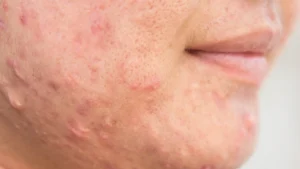
Understanding the difference between keloid scars and normal healing is crucial for seeking appropriate treatment. Many people mistake normal scars or hypertrophic scars for keloids,

Understanding the difference between keloid scars and normal healing is crucial for seeking appropriate treatment. Many people mistake normal scars or hypertrophic scars for keloids,
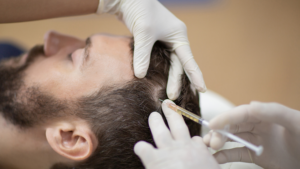
Experiencing increased hair shedding after PRP treatment alarms many patients, but this temporary shedding phase is often a positive sign of follicle activation. Approximately 30-40%
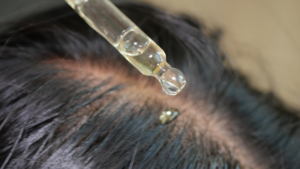
Yes, PRP can significantly slow progressive hair thinning in most patients, with clinical studies showing 60-70% of patients experience reduced shedding and stabilisation. PRP works
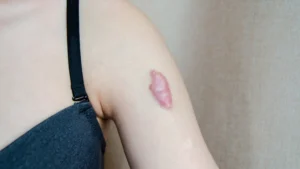
Keloids are considered medically permanent because they don’t spontaneously resolve without treatment. However, “permanent” doesn’t mean untreatable; with proper intervention, keloids can be removed, flattened,
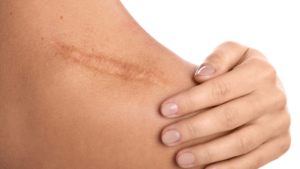
Yes, keloids are significantly more common in darker skin types, with Black African and Afro-Caribbean populations showing 15-20 times higher prevalence than white Europeans. This
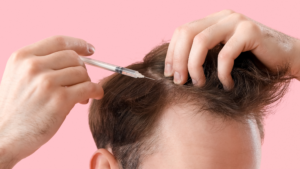
Alcohol consumption significantly affects PRP treatment outcomes through direct platelet dysfunction and impaired healing responses. Many patients don’t realise that drinking patterns can reduce treatment

The NHS does offer keloid treatment, but availability varies dramatically between regions and clinical commissioning groups. Many patients discover that NHS keloid services are limited
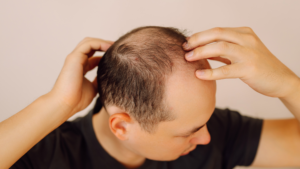
Yes, PRP can help with genetic hair loss, but expectations must be realistic. PRP works best for slowing progression and maintaining existing hair rather than

Keloid scars require specialist treatment, but costs in London vary dramatically between clinics. Understanding pricing structures and what drives cost differences helps you make informed

Keloids affect a significant portion of the UK population, though prevalence varies dramatically by ethnicity and skin type. Understanding who is most at risk and