
















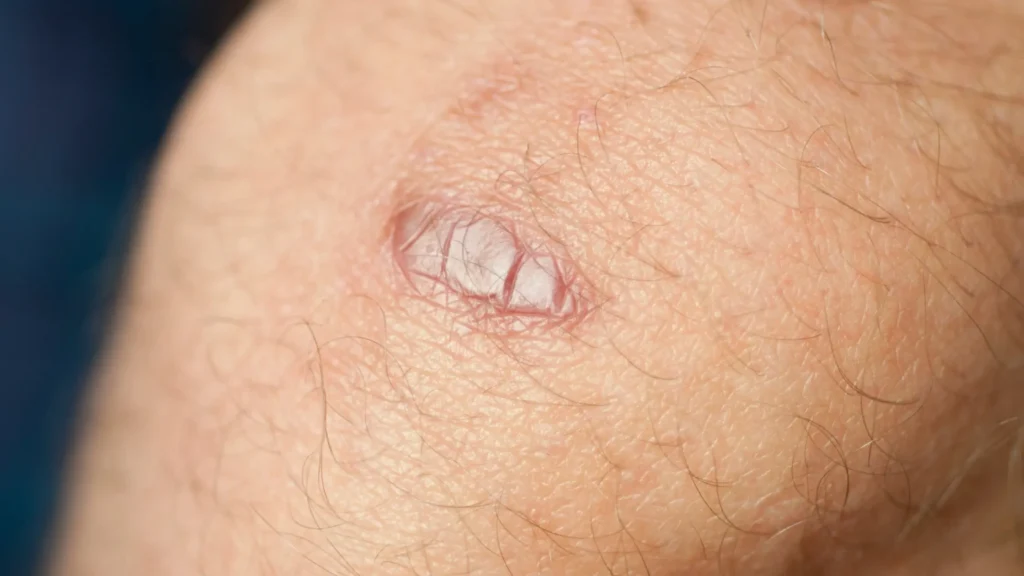
Yes, keloids do change colour over time, though patterns differ significantly from normal scar healing. Most keloids start red or pink then darken to purple, brown, or darker than surrounding skin, particularly in darker skin types.
Understanding these colour changes helps distinguish keloids from normal scars and indicates treatment timing for optimal outcomes.
Normal Scar Colour Evolution vs Keloids
Normal scars progress from pink or red initially to pale white over 12-24 months as blood vessel density decreases. Keloids follow different patterns, starting pink or red but then darkening progressively to purple-brown or dark brown, particularly in darker skin types.
This darkening distinguishes keloids from normal scars that lighten over time due to post-inflammatory hyperpigmentation from ongoing tissue damage.
Early Stage Keloid Colours (0-6 Months)
Newly forming keloids appear pink or red like normal scars during initial weeks, reflecting active blood vessel formation.
Unlike normal scars showing decreasing redness after 4-6 weeks, developing keloids maintain or intensify their red colour.
Persistent redness beyond 3-4 months or purple/brown tones within 2-3 months strongly suggest keloid formation, allowing prompt intervention before keloids enlarge.
Mature Keloid Pigmentation (6+ Months)
Established keloids show distinctive colour patterns that vary by skin type. These mature pigmentation changes help confirm diagnosis.
Red-Purple Phase
Many keloids develop red-purple colouration as they mature, reflecting dense vascularity and chronic inflammation. This phase can last months to years depending on keloid activity.
The purple hue distinguishes keloids from hypertrophic scars that typically remain red without purple tones.
Brown Pigmentation
Post-inflammatory hyperpigmentation causes keloids to develop brown pigmentation over months to years. This darkening proves particularly pronounced in Type IV-VI skin (Asian, Hispanic, Black populations). The brown colour may continue darkening over years without treatment.
Colour Variation Within Keloids
Large keloids often show multiple colours simultaneously. The centre may appear lighter or darker than edges, with some areas purple, others brown, and active growing edges remaining red. This colour heterogeneity reflects different activity levels within the same keloid.
Colour Changes by Skin Type
Fitzpatrick skin type dramatically affects keloid pigmentation patterns. Understanding these variations helps set appropriate treatment expectations.
| Skin Type | Initial Colour | Mature Colour | Colour Intensity |
| I-II (Fair) | Pink-red | Pink-pale red | Mild contrast |
| III-IV (Olive-light brown) | Red | Purple-brown | Moderate contrast |
| V-VI (Brown-black) | Red-brown | Dark brown-purple | High contrast |
Fair Skin Keloids
Type I-III skin shows keloids as pink, red, or pale purple lesions that contrast moderately with surrounding skin. Whilst visible, the colour difference remains less dramatic than in darker skin types. Fair-skinned individuals develop keloids less frequently but still show colour changes.
Medium Skin Tone Keloids
Type IV skin (Mediterranean, Asian) develops keloids with red-purple initial colours progressing to purple-brown. The contrast with surrounding skin proves more pronounced than in fair skin. These keloids often show distinct colour boundaries making them particularly noticeable.
Dark Skin Keloids
Type V-VI skin (South Asian, Black African, Afro-Caribbean) shows the most dramatic keloid colour changes. Initial red-brown keloids darken to deep purple-brown or nearly black. The stark contrast with surrounding skin makes these keloids especially visible and psychologically distressing for patients.
Factors Affecting Colour Changes
Actively growing keloids maintain brighter red or purple colours reflecting increased blood flow. Stable keloids may fade to duller brown tones but rarely lighten to match surrounding skin.
UV radiation darkens keloid pigmentation significantly, making SPF 50+ sunscreen essential for visible keloids. Chest and shoulder keloids often show darker pigmentation than ear keloids due to sun exposure and blood supply differences.
Treatment Effects on Colour
Keloid treatments affect pigmentation in specific ways. Understanding these changes helps patients interpret treatment responses.
Steroid Injection Effects
Intralesional steroids can cause hypopigmentation (lightening) particularly in darker skin types. Treated keloids may become lighter than surrounding skin, creating visible colour mismatch. Whilst the keloid flattens, the colour change requires patient counselling about this cosmetic trade-off.
Laser Treatment Impact
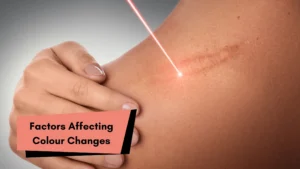
Laser therapy targets keloid vascularity, reducing redness and purple tones. Nd:YAG laser treatment shows particular effectiveness for red-purple keloids. However, laser treatment in darker skin types risks post-inflammatory hyperpigmentation requiring careful parameter adjustment.
Surgical Revision Outcomes
Surgical excision removes existing pigmentation but new scars can develop similar or worse colouration if keloids recur. Comprehensive aftercare including pressure therapy and sun protection helps minimise post-surgical pigmentation. Some patients achieve better final colour after surgery whilst others show similar darkness.
Warning Signs in Colour Changes
Certain colour changes indicate problems requiring immediate assessment. Recognising these signs helps catch complications early.
Sudden Darkening
Rapid colour darkening over days to weeks suggests active keloid growth or inflammation. This requires prompt evaluation as aggressive growth may need treatment escalation. Sudden darkening after previously stable periods indicates renewed activity.
Black or Very Dark Areas
Nearly black colouration particularly with texture changes warrants urgent assessment to exclude other conditions. Whilst some keloids darken significantly, unusual blackness requires professional evaluation. Dermoscopy helps distinguish extreme hyperpigmentation from other concerning lesions.
Uneven or Mottled Colours
Irregular pigmentation patterns with very light and very dark areas may indicate infection, inflammation, or treatment complications. Even colour suggests normal keloid behaviour, whilst mottled appearance may signal problems. Professional assessment determines whether intervention is needed.
Can Keloid Colour Improve Without Treatment?
Spontaneous colour lightening in keloids rarely occurs. Keloid colour may shift slightly over years (red to purple to brown) but rarely lightens significantly. Unlike normal scars that fade to pale, keloids maintain colour intensity indefinitely due to continued inflammation and persistent pigment production preventing normalisation.
Managing Keloid Pigmentation
Daily SPF 50+ sunscreen prevents UV-induced darkening, particularly important for facial keloids. Hydroquinone or retinoids may modestly lighten colour but show limited effectiveness on keloid tissue.
Comprehensive treatment combining steroid injections, laser therapy, and sun protection produces best outcomes, though complete colour normalisation rarely occurs.
Post-Treatment Colour Changes
Steroid injection sites may show temporary lightning immediately, whilst laser causes temporary redness resolving within weeks.
Successful treatment may result in keloids becoming lighter, darker, or showing uneven pigmentation depending on skin type and treatment modality.
Most treated keloids remain slightly darker or lighter than surrounding skin, which patients typically accept as a trade-off for flattening and symptom relief.
Conclusion
Keloids do change colour over time, typically darkening from red to purple to brown rather than fading like normal scars. The degree of colour change varies by skin type, with darker skin types showing most dramatic pigmentation changes.
Whilst treatment can improve keloid colour, complete normalisation rarely occurs, making prevention and early intervention particularly important.
Frequently Asked Questions
Do keloids always get darker over time?
Most keloids darken progressively over months to years, though patterns vary by skin type. Fair-skinned individuals may maintain pink-red keloids, whilst darker skin types typically develop brown or purple-brown colouration. Very old keloids may stabilise in colour but rarely lighten significantly without treatment.
Can keloid colour indicate if it’s still growing?
Yes, bright red or purple colours often indicate active keloid growth with increased blood flow and inflammation. Duller brown or grey tones may suggest slower growth or stability. However, colour alone cannot definitively determine activity; professional assessment with measurement proves more reliable.
Will my keloid fade like a normal scar?
No, keloids do not fade like normal scars that lighten to pale white over 12-24 months. Keloids maintain or increase pigmentation over time without treatment. This persistent or darkening colour distinguishes keloids from normal scars and helps confirm diagnosis.
Does steroid treatment lighten keloid colour?
Steroid injections can cause hypopigmentation (lightening) particularly in darker skin types. Treated keloids may become lighter than surrounding skin, creating visible colour mismatch. This represents a cosmetic trade-off where flattening occurs but colour normalisation may not, requiring patient counselling before treatment.
Why does my keloid have multiple colours?
Large keloids often show colour heterogeneity reflecting different activity levels within the same scar. Growing edges may appear red, mature areas purple or brown, and previously treated sections lighter. This colour variation is normal for complex keloids and doesn’t necessarily indicate problems.
Can I use makeup to cover keloid discolouration?
Yes, high-coverage concealer or camouflage makeup can temporarily hide keloid colour for special occasions. However, makeup doesn’t address underlying pigmentation or keloid structure. Professional colour-correcting makeup techniques work best for matching skin tone over darker keloid pigmentation.
Will laser treatment completely fix keloid colour?
Laser therapy can reduce redness and purple tones by targeting keloid vascularity, but complete colour normalisation rarely occurs. Treatment improves colour but keloids typically remain slightly darker or lighter than surrounding skin. Realistic expectations focus on improvement rather than perfection.