











Alopecia Areata Treatment, London

“London’s Leading Centre for Alopecia Areata Treatment”
As one of the leading Alopecia Areata treatment centres in London and the UK, Rejuvence Clinic is a doctor-led medical clinic specialising in advanced, evidence-based therapies for hair loss. We offer a full range of scientifically proven treatments, including 308 nm Exciplex light therapy, intralesional vitamin D and steroid injections, medicated topical agents, and pioneering autologous exosome and growth factor therapy using the ExoSmart and Angel Arthrex systems.
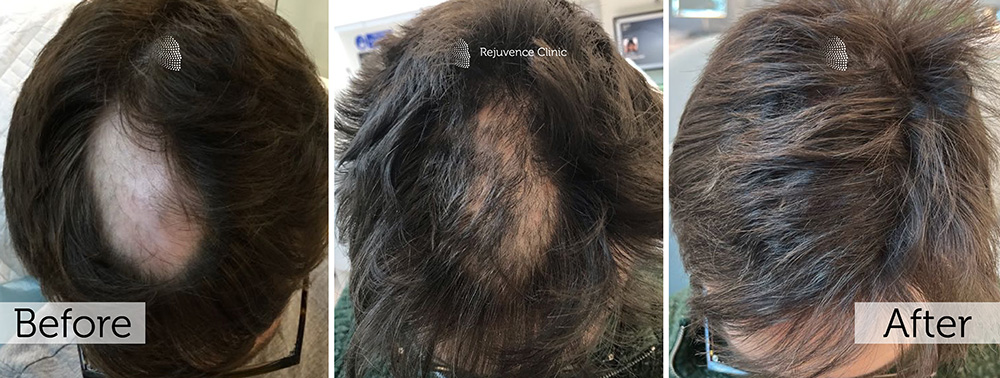
Each plan begins with a thorough medical consultation to set realistic expectations and achieve the best possible outcomes. Our philosophy combines clinical precision, advanced technology, and genuine patient care, making Rejuvence Clinic the number one destination for Alopecia Areata treatment in London and across the UK.
With hundreds of verified 5★ Google and Pabau reviews, patients consistently praise our medical expertise, compassionate care, and results-driven approach. Our doctors understand the complex autoimmune nature of alopecia areata and work closely with every patient to deliver safe, effective, and personalised treatment plans.
Each plan begins with a thorough medical consultation to set realistic expectations and achieve the best possible outcomes. Our philosophy combines clinical precision, advanced technology, and genuine patient care, making Rejuvence Clinic the number one destination for Alopecia Areata treatment in London and across the UK.
What is Alopecia Areata?
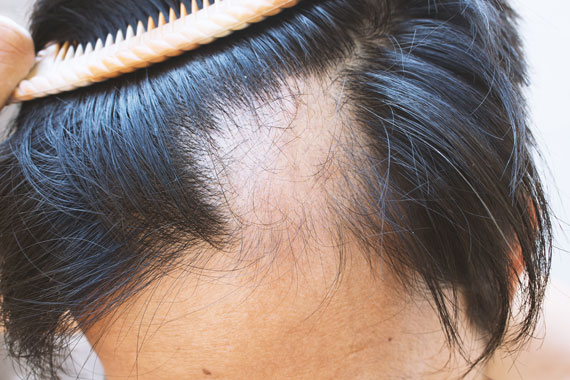
Alopecia areata is an autoimmune condition. An autoimmune condition is where the body attacks itself. In the case of Alopecia Areata, it results in isolated patches of hair loss mainly affecting the scalp and beard with skin appearing very shiny. If allowed to persist these patches can become chronic and the risk of developing alopecia totalis (complete hair loss of the scalp) or universalis (loss of all body hair) increases.
Alopecia areata is caused by collapse of the immune ‘privilege’ of the lower third of the hair follicle. This means the body starts to recognise this portion of the hair follicle as foreign and is attacked by the immune system resulting in loss of hair. In the absence of scarring there is the potential for hair to grow back. Returning hair can be ‘white’ initially and the presence of regrowth hair is often a good sign of potentially complete recovery.
Generally the younger the patients are at the start of the condition the poorer the outcome. More widespread alopecia areata is less likely to recover. In general the extent of recovery for alopecia areata can be very difficult to predict.
Treatment Options for Alopecia Areata
Is hair loss in Alopecia Areata permanent?
Alopecia Areata is an autoimmune condition. As a result spontaneous remission is possible and in seen in almost 80% of patches within 1 year of appearing. On a first visit to the GP many patients are often reassured and advised to wait for the patches to recover with limited recourse to treatment. However, if patches of alopecia areata are left untreated there is an increasing risk of progression to chronic alopecia areata (patches lasting more than a year), alopecia totalis (complete loss of hair on the scalp) and even alopecia universalis (complete loss of hair on the body).
A recent study found that a solitary stable patch of alopecia areata present for less than 6 months has a 13% risk of developing into chronic alopecia areata and a 6% risk of developing into alopecia totalis or universalis. Where a patch is present for more than 6 months but less than 1 year this risk increases to 65% and 30% respectively. A patch lasting more than 1 year is defined as chronic alopecia areata and has a risk of progressing to alopecia totalis or universalis is 45%.
At Rejuvence Clinic we believe it is essential treatment for alopecia areata is started as soon as possible. The longer a patch is present, generally the more difficult it can be treat. Likelihood of complete recovery decreases with time.
Can I get treatment on the NHS?
When you first notice a patch of hair loss on your scalp, beard, or eyebrows, your GP will usually confirm a diagnosis of Alopecia Areata and may arrange blood tests to check thyroid, liver, kidney function, and vitamin D levels. Most patients are initially prescribed topical steroids, as NHS referral criteria for dermatology are strict and often require a trial of topical treatment first. Unfortunately, wait times to see a dermatologist can exceed six months to a year, during which hair loss may worsen or spread. Even once seen, access to intralesional steroid injections or repeat treatments is often limited or delayed, leaving many patients frustrated and with fewer treatment options.
What can I get at Rejuvence that other clinics cannot offer?
At Rejuvence Clinic, a CQC-registered, doctor-led medical clinic, we provide expert assessment, diagnosis, and immediate treatment without unnecessary delays. Unlike many non-medical clinics, we are fully qualified to offer intralesional steroid injections and advanced medical therapies within the crucial early treatment window, maximising your chance of regrowth. Our doctors also evaluate and manage any underlying health issues contributing to your condition, ensuring a truly comprehensive and medically tailored approach to treating Alopecia Areata.
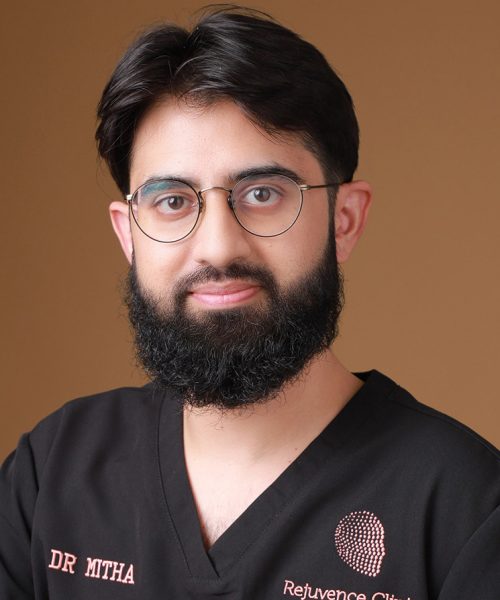
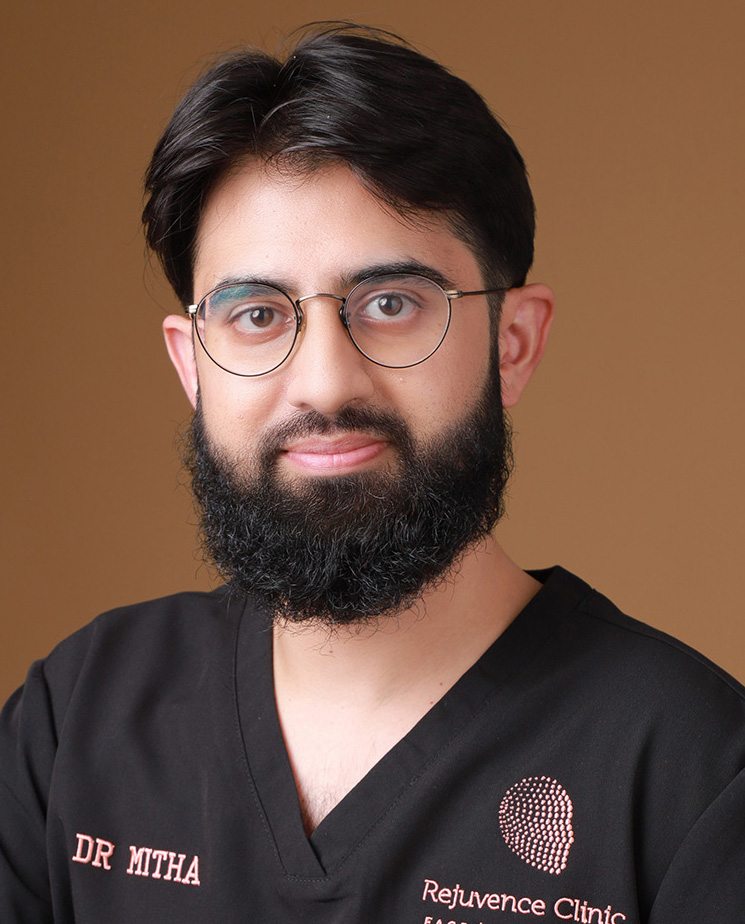
Dr Naeem Mitha - Our Dermatology Lead
Hair loss from Alopecia Areata can be distressing, and I am genuinely passionate about helping patients through this journey. I offer a caring, personalised approach that combines proven medical treatments with innovative in-clinic therapies. We often begin with intralesional steroid injections to calm inflammation, and uniquely, my clinic also offers targeted UVB therapy using carefully developed protocols. This combination allows us to stimulate regrowth while supporting the scalp’s natural healing. Every treatment plan is created around you — considering your medical history, lifestyle, and goals. My aim is to restore not just hair, but also confidence, through evidence-based care delivered with empathy and attention to detail.
SCALP
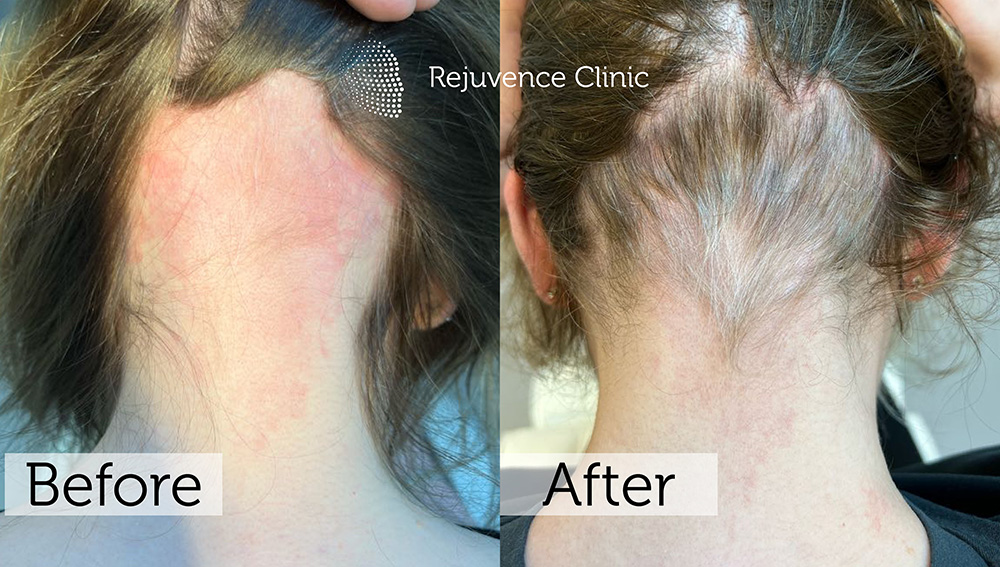

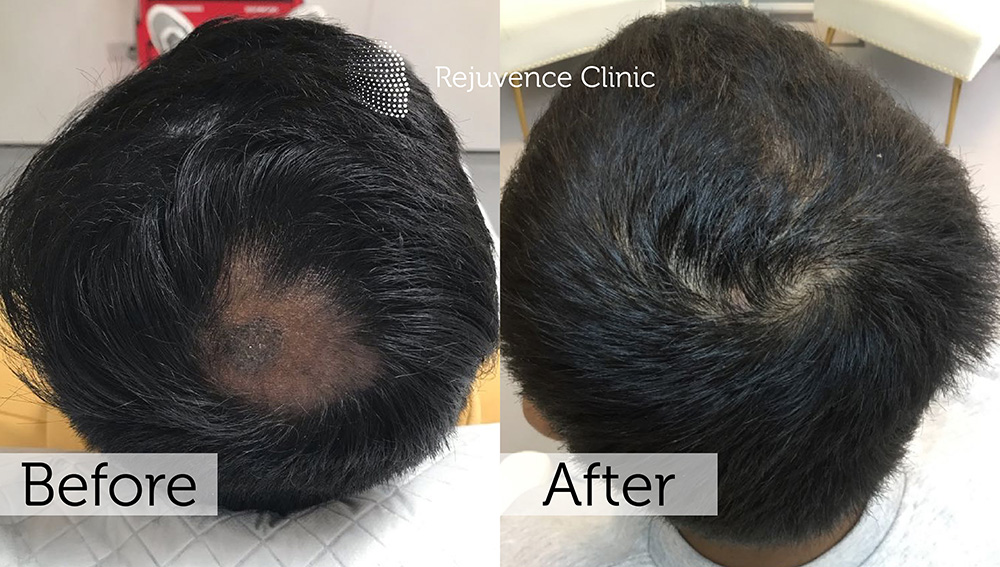
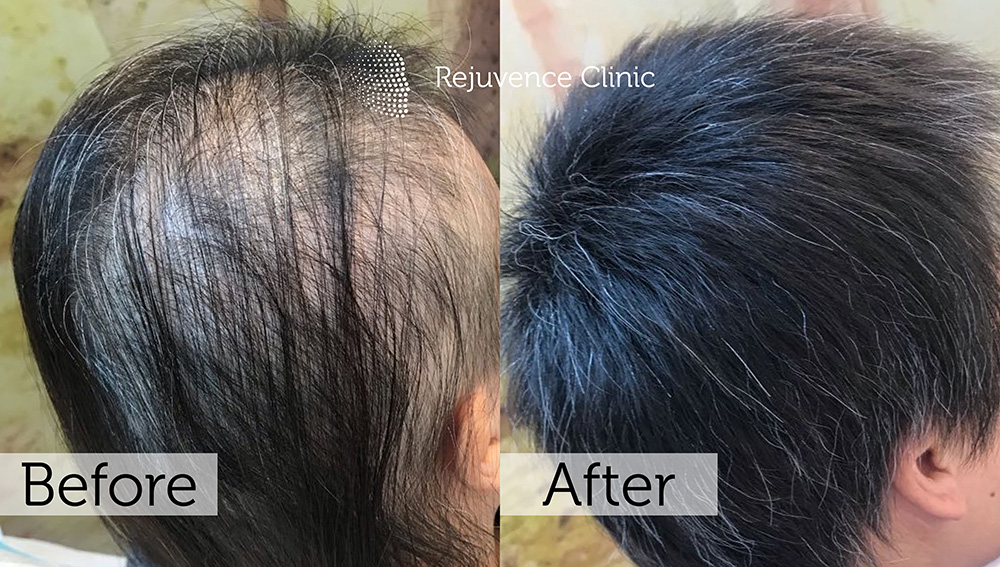
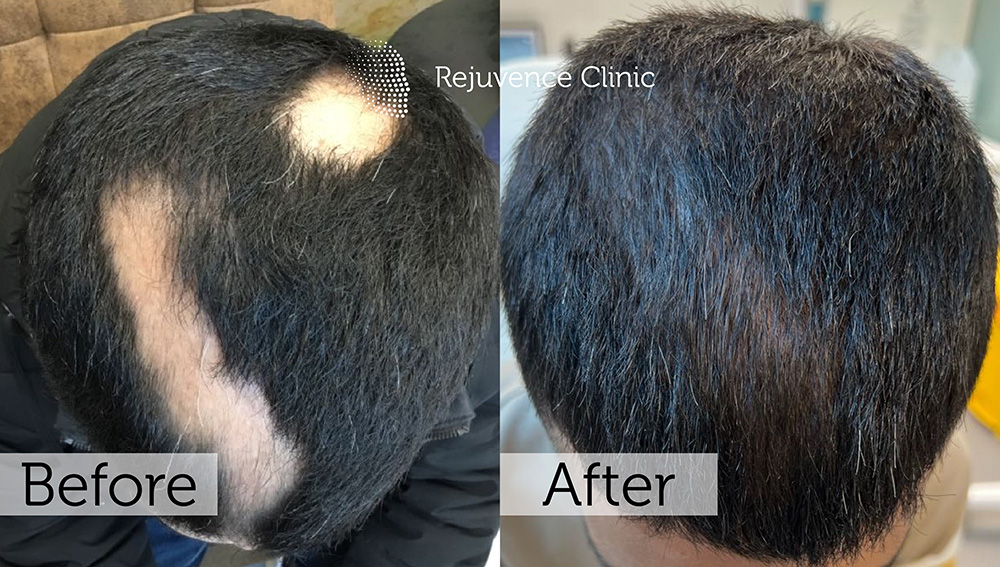
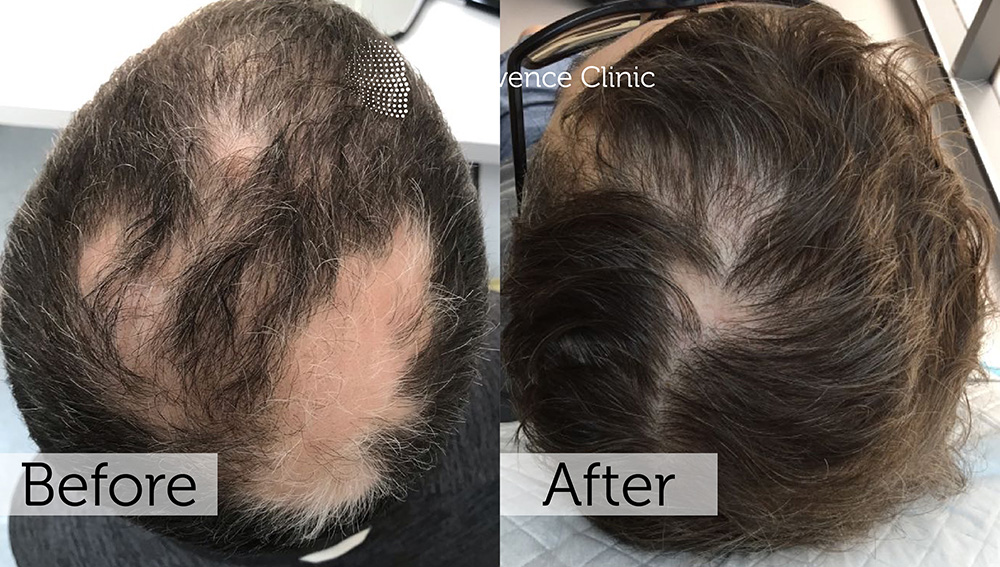
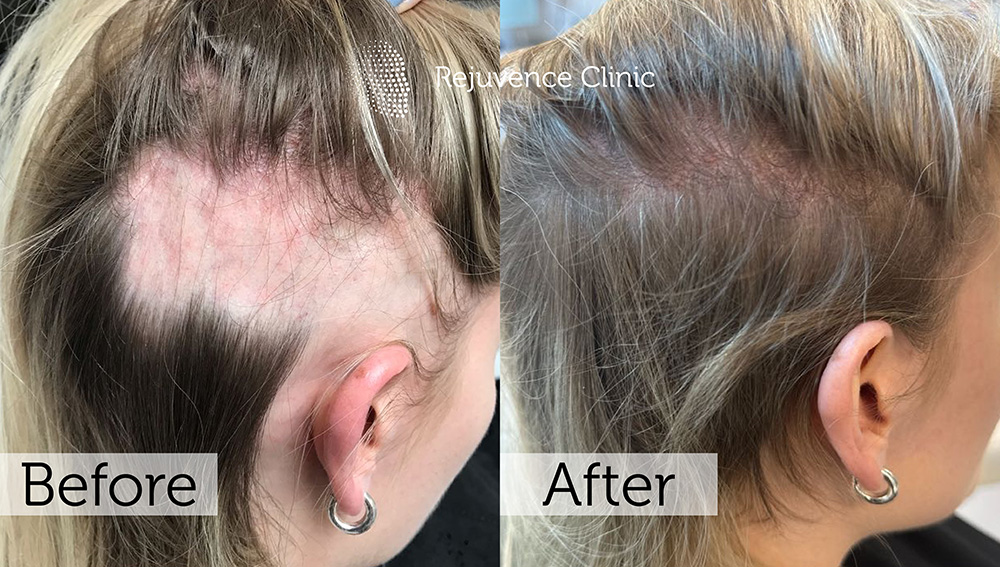
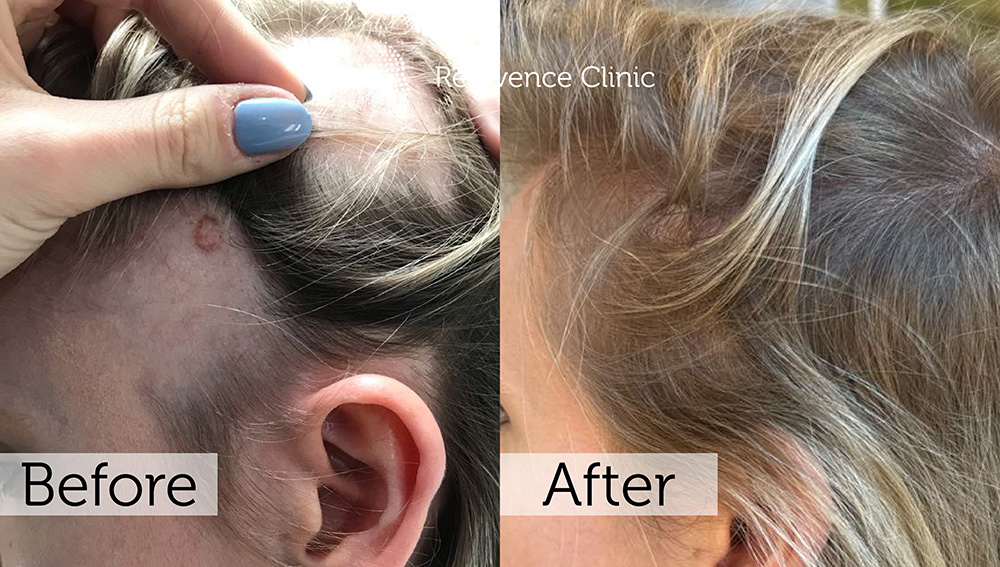
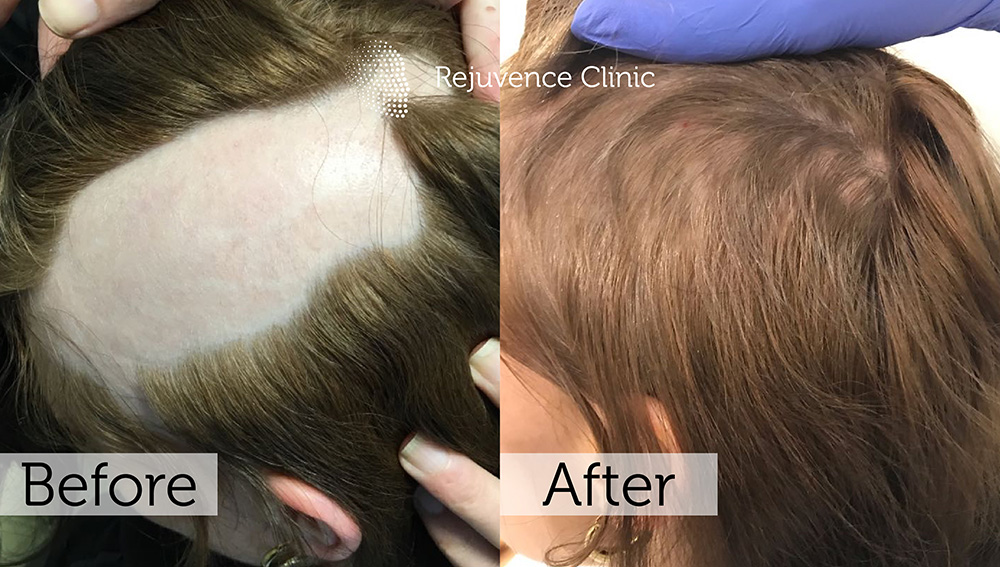
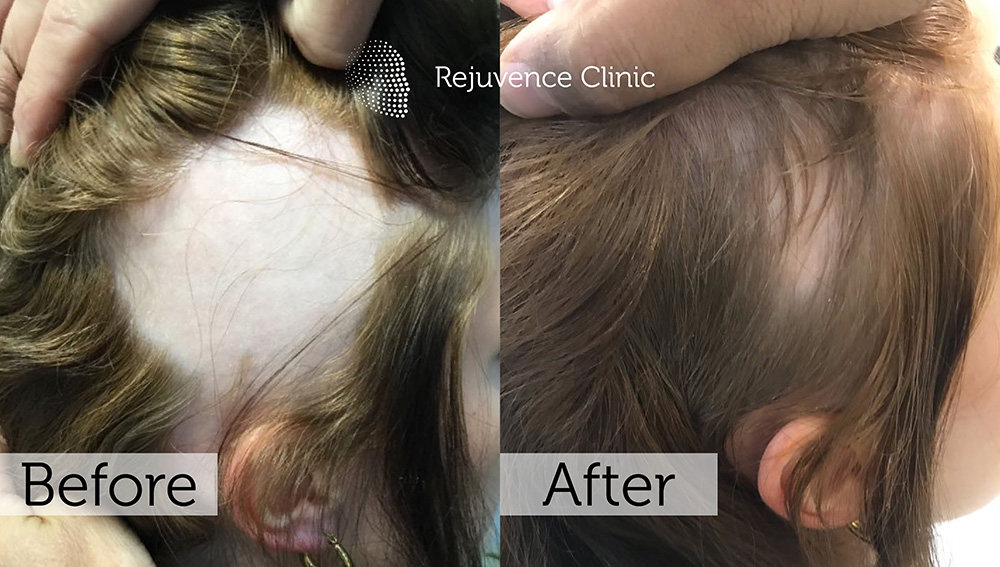
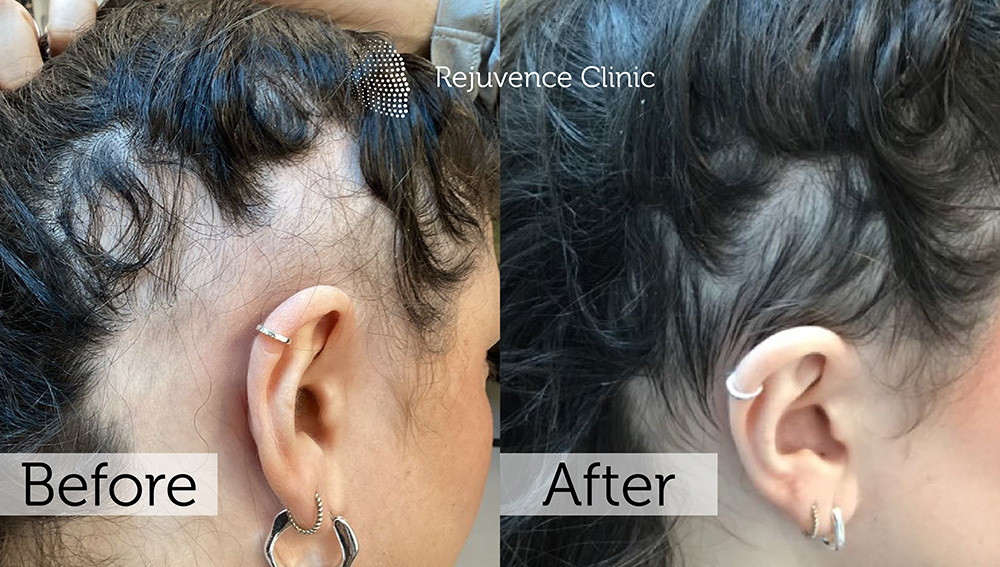
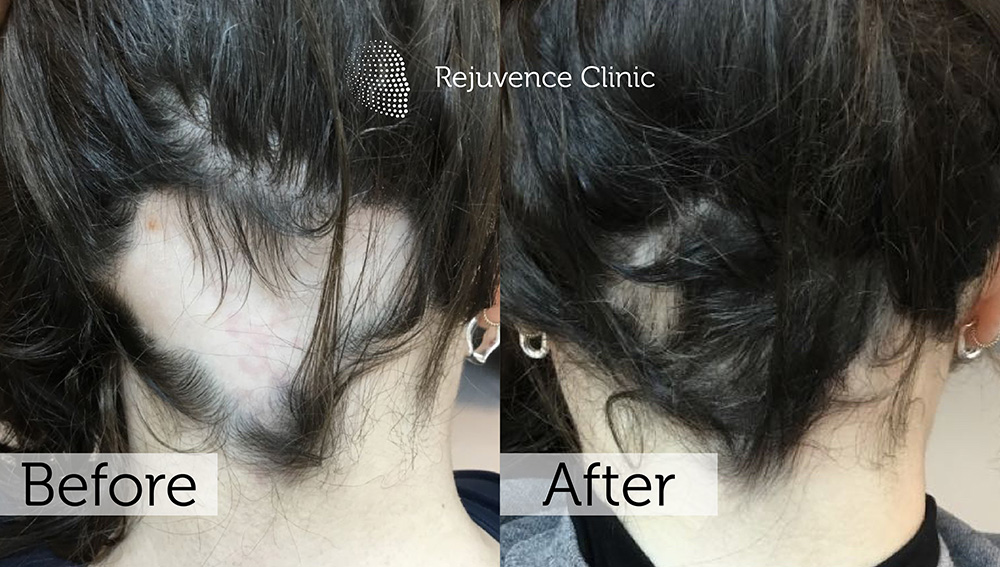
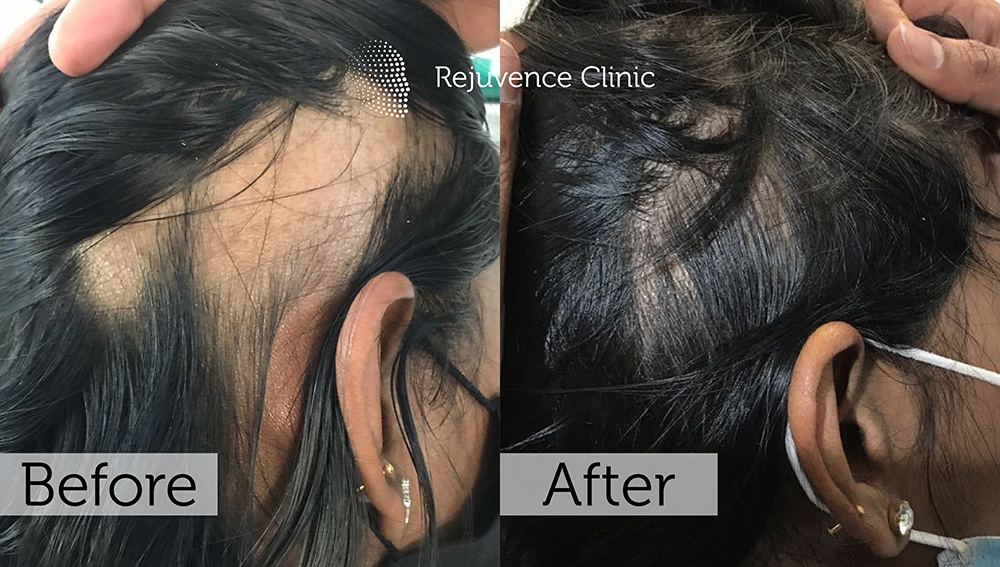
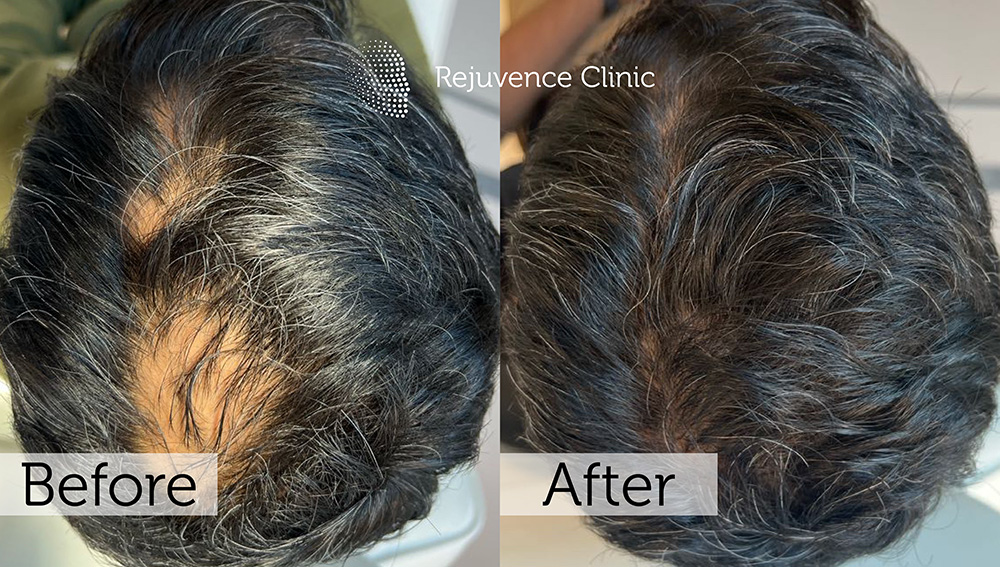
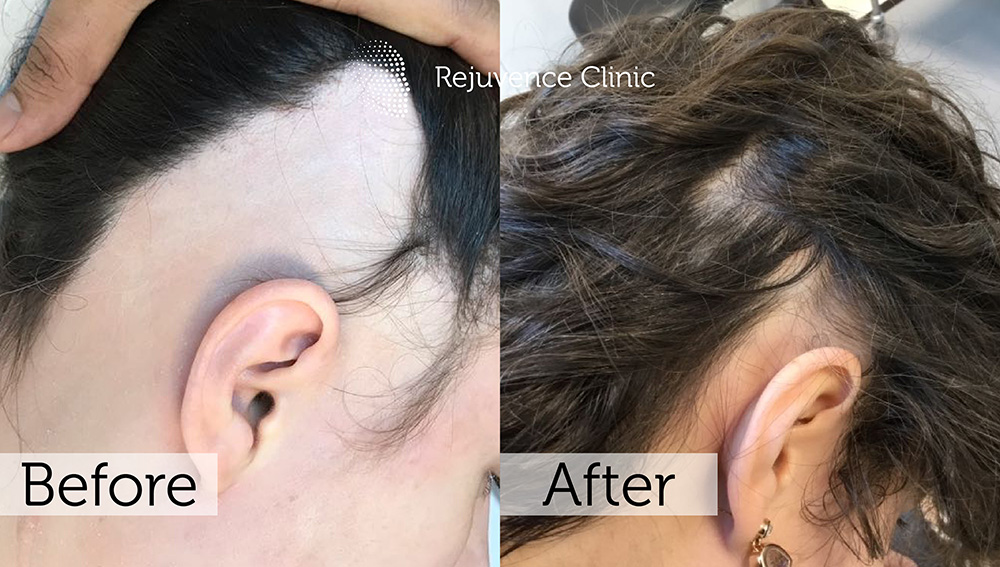
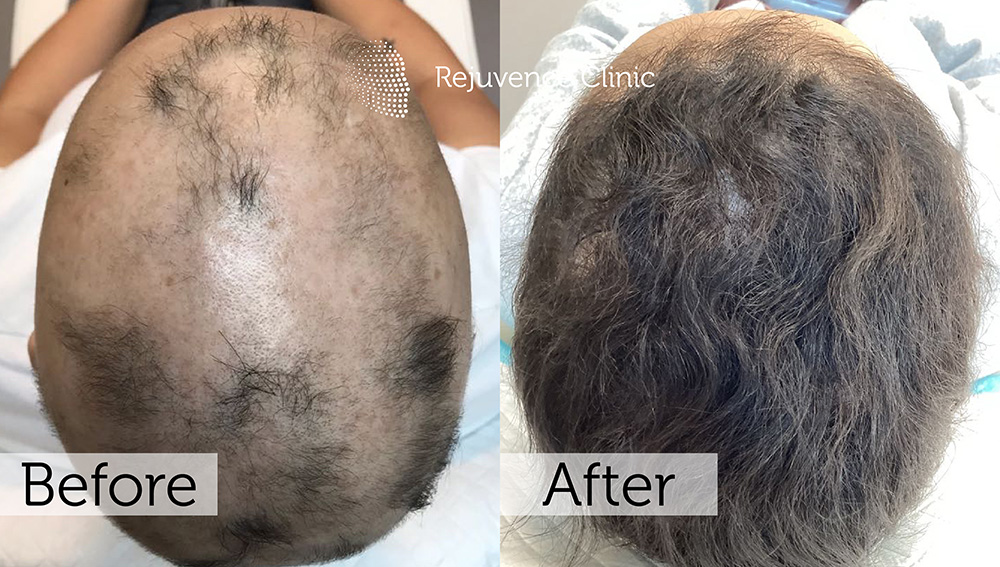
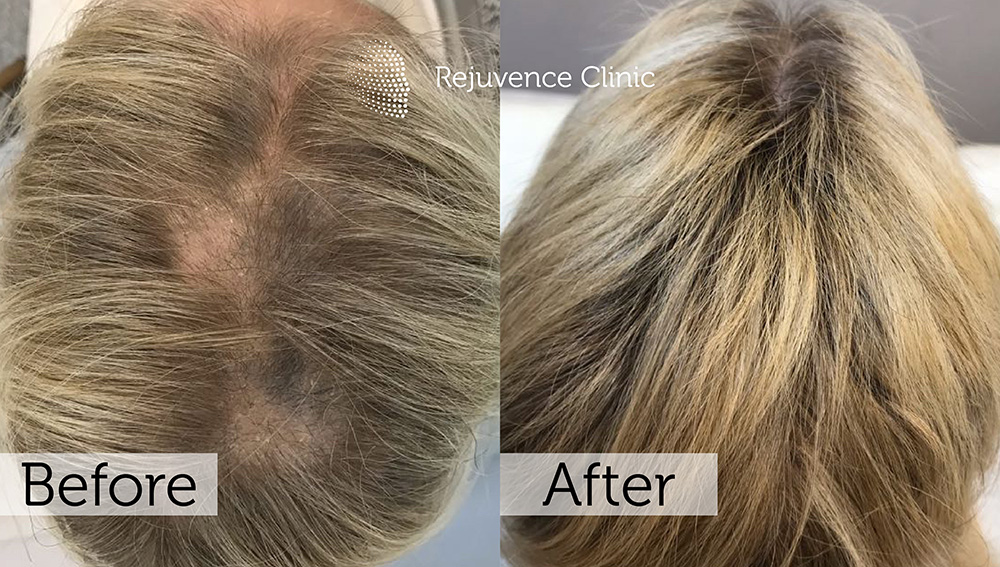
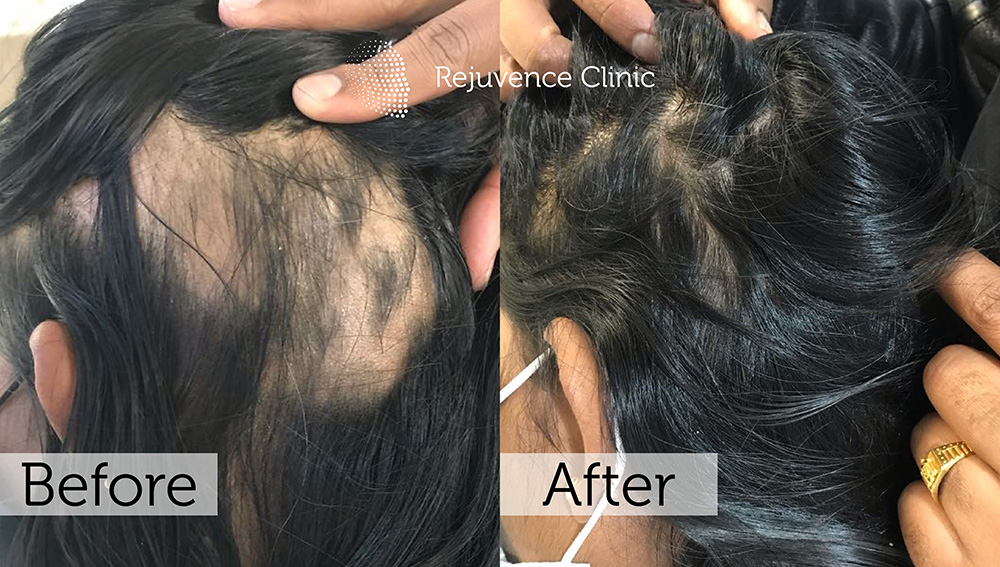
©Individual results may vary.
BEARD
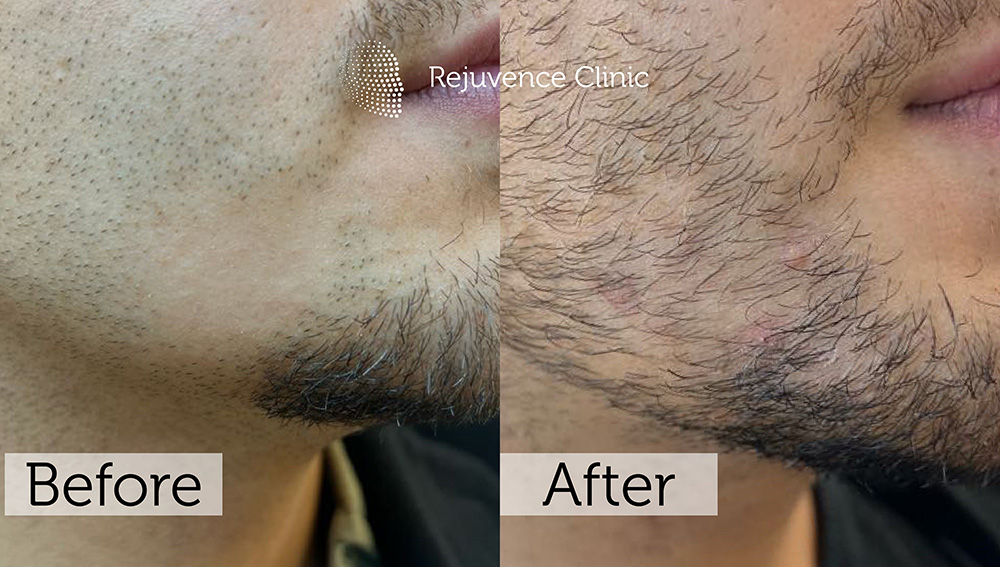
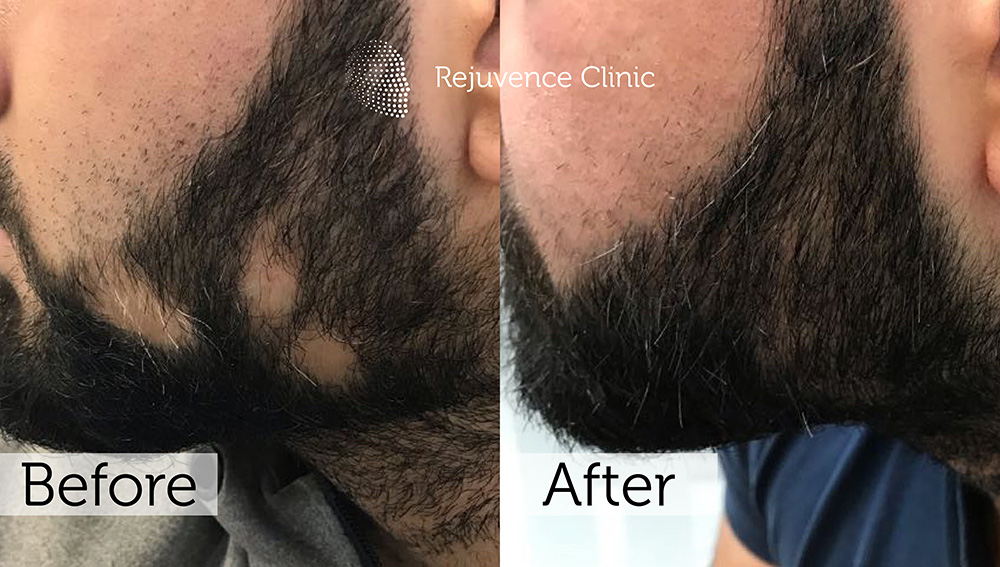
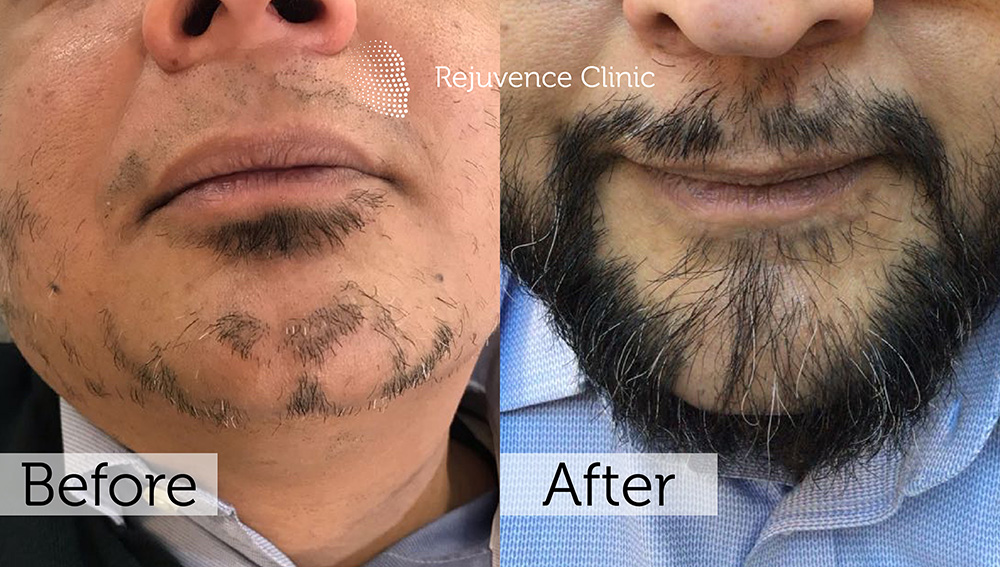
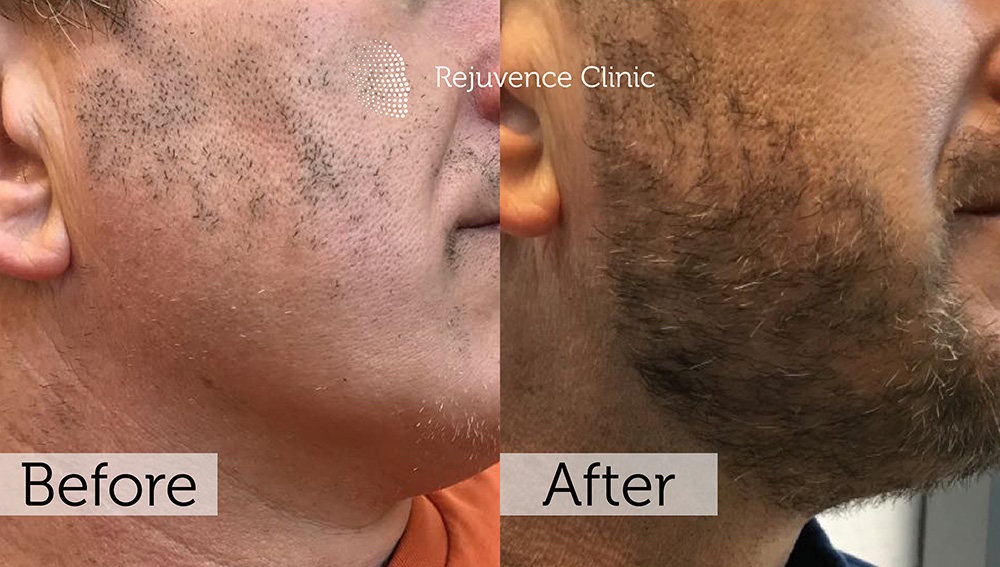
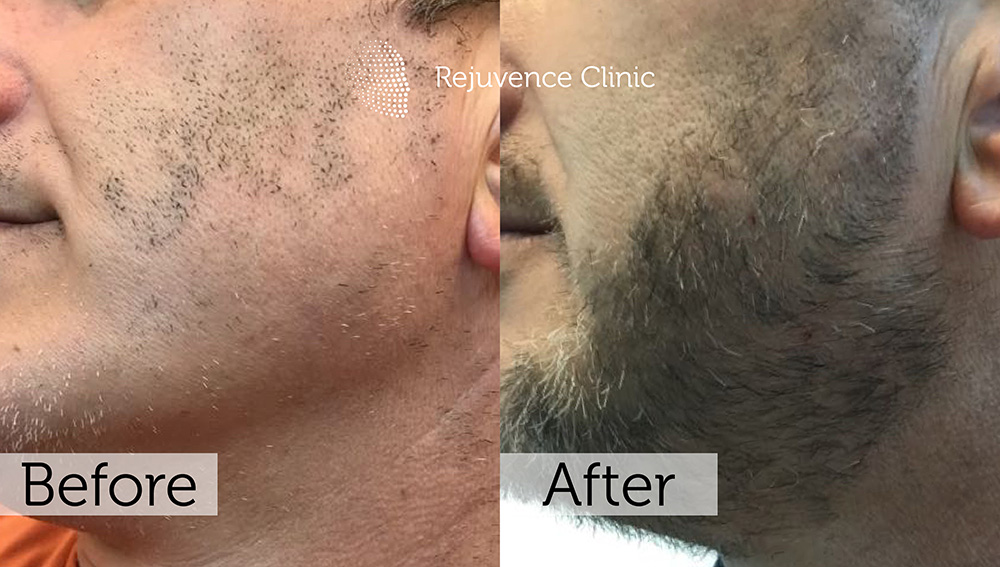
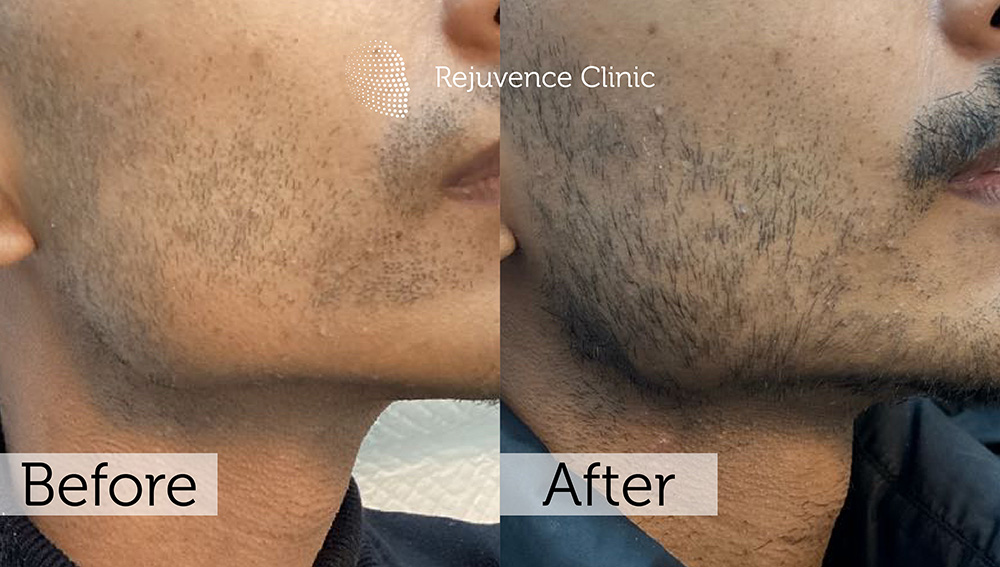

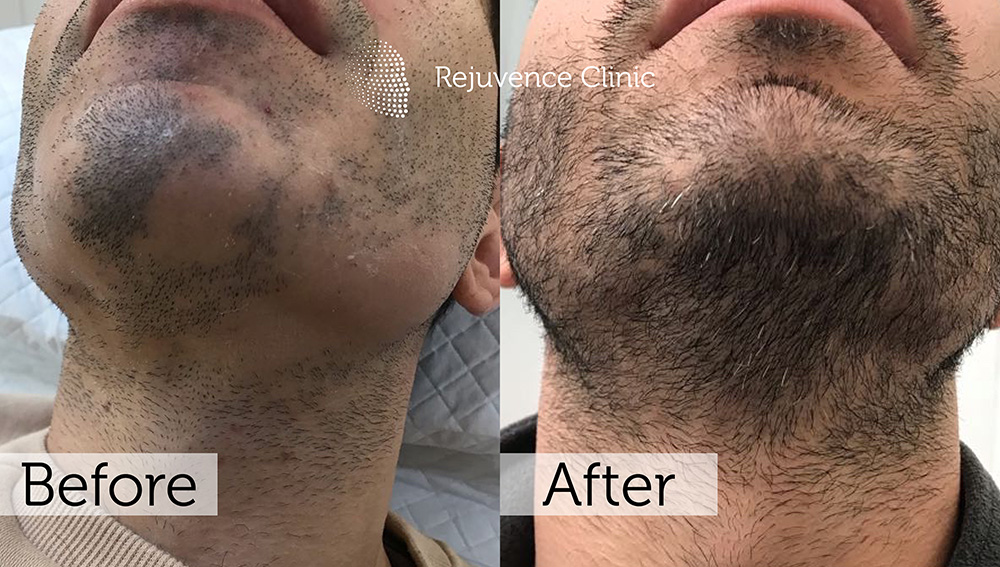
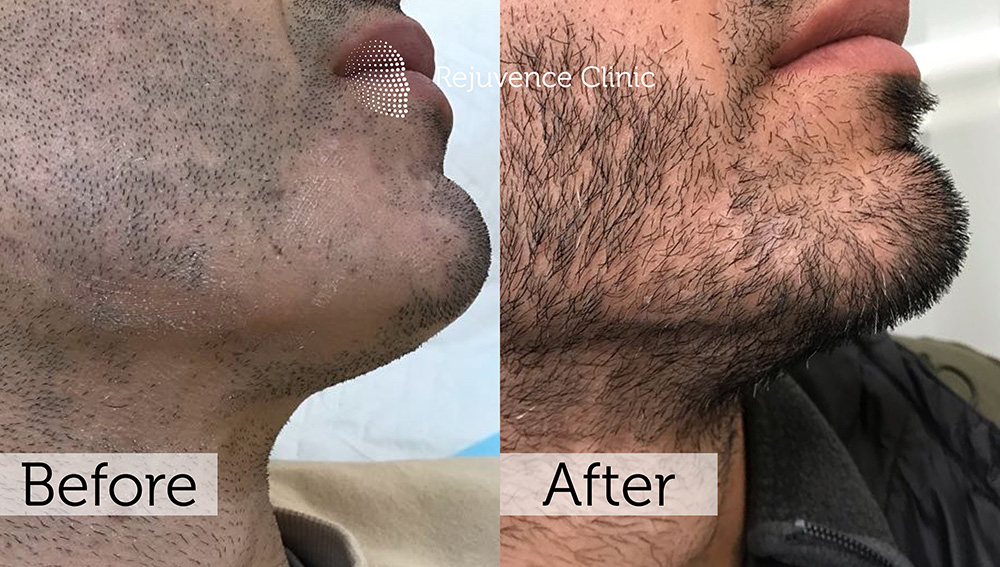
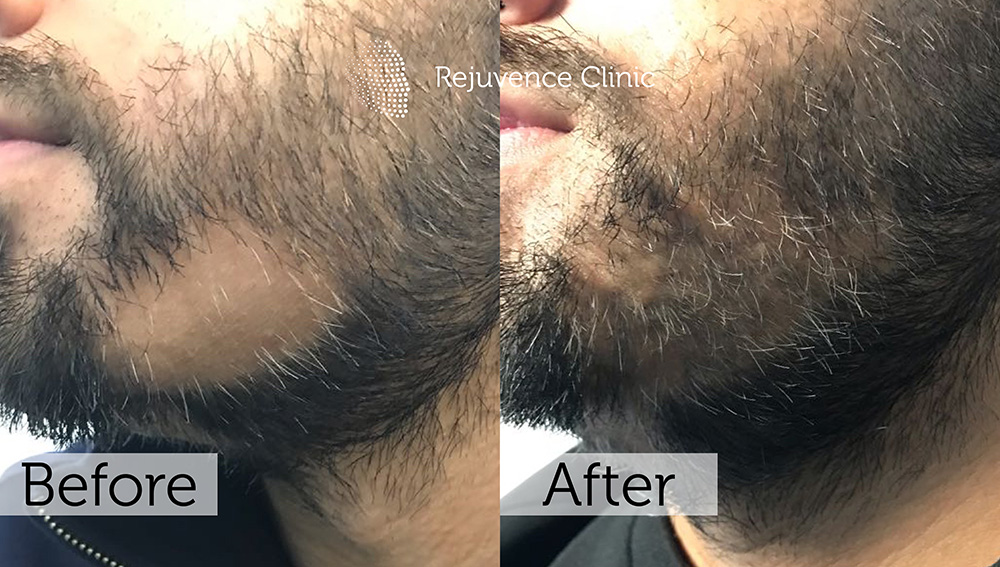
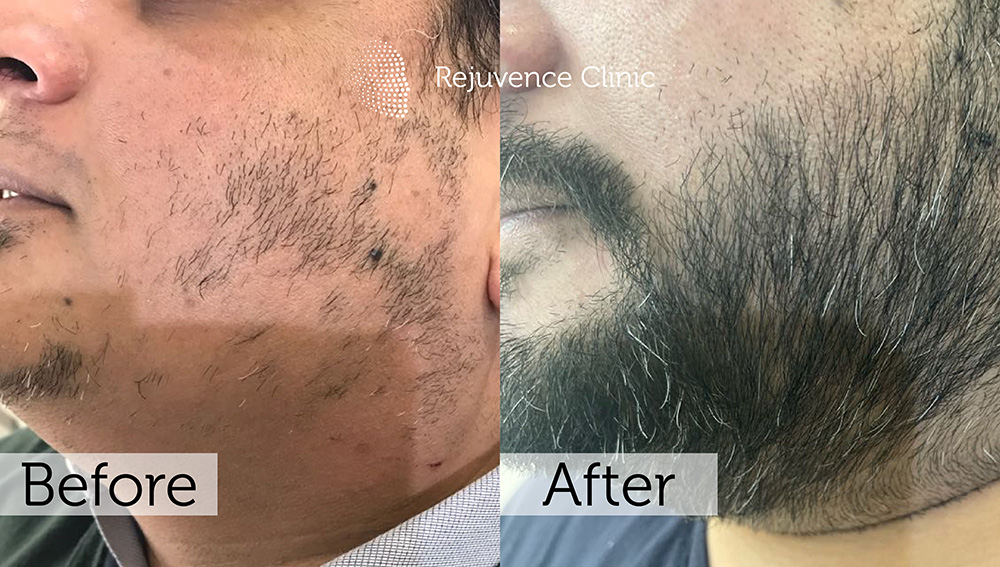
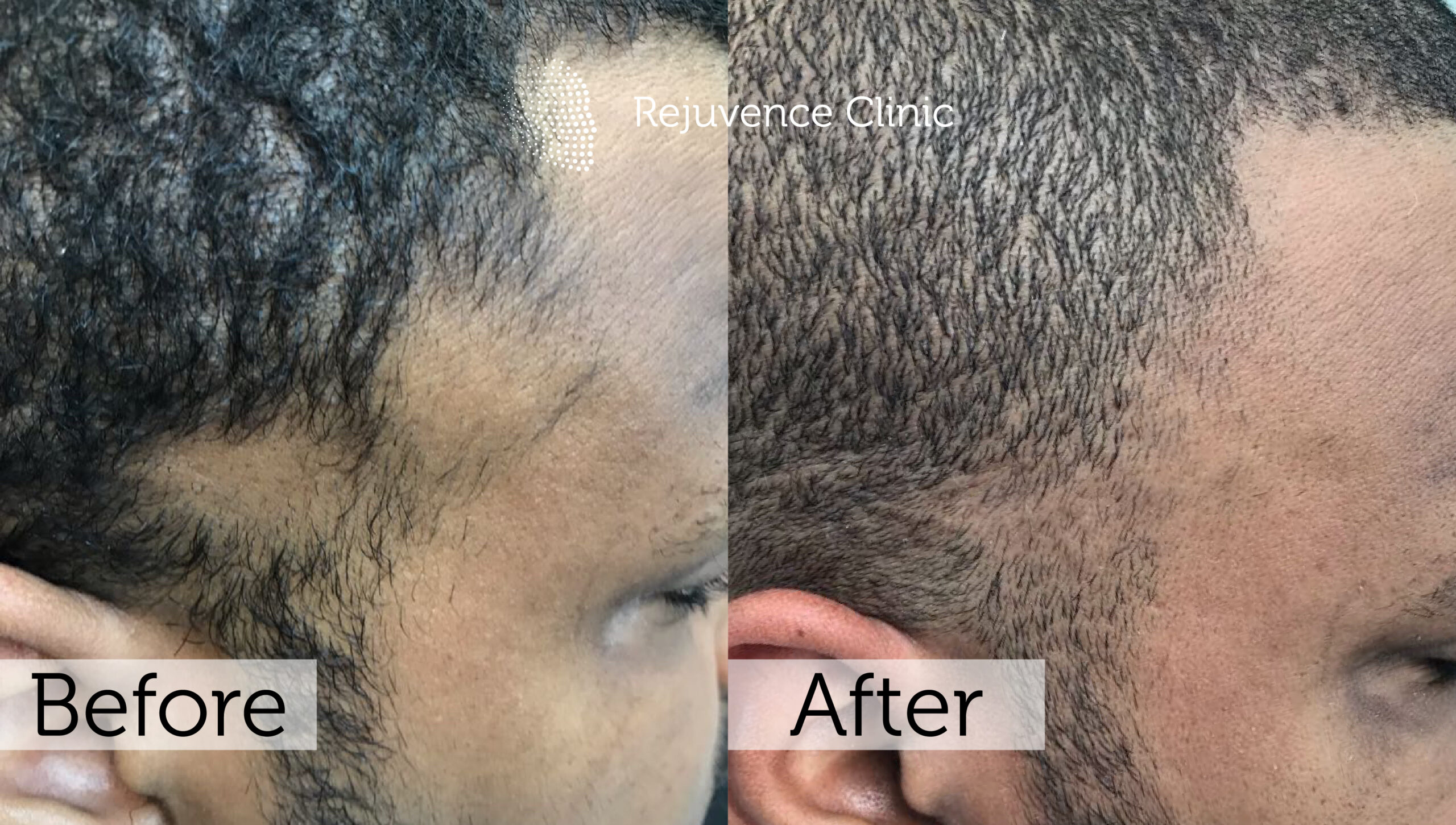
©Individual results may vary.
Intralesional Steroid Treatment
Intralesional steroid treatment involves injecting a small amount of corticosteroid (most commonly triamcinolone acetonide) directly into alopecia areata patches. By placing medicine precisely where inflammation is active, we deliver a higher, targeted dose to the follicle while minimising exposure to surrounding skin and the rest of the body.
How does intralesional steroid work in alopecia areata?
Alopecia areata is an autoimmune condition in which T-cells attack anagen hair follicles. Corticosteroids down-regulate this local immune attack and inflammatory cytokines, allowing follicles to re-enter growth. Compared with creams, injections reach the follicular target zone more reliably.
Modern guidelines and reviews agree that intralesional corticosteroids are a first-line option for localised (patchy) disease and are generally more effective than topical steroids for limited scalp involvement. Response is less likely with extensive or long-standing disease.
At Rejuvence Clinic, treatment is performed by a doctor using fine needles to place tiny aliquots through the patch. Typical concentrations for scalp AA are ~5 mg/mL triamcinolone; sessions are repeated every 4–6 (up to 8) weeks, with early regrowth often seen after 4–8 weeks.
Most patients tolerate treatment well. Possible effects include temporary discomfort, skin atrophy (dimpling), telangiectasia, and pigment change at injection sites; careful dosing and spacing help reduce risk. Systemic effects are rare at the small doses used. Avoid harsh scalp products for 24 hours and protect treated skin from excessive UV.
Effectiveness depends on extent and duration of hair loss and pattern (e.g., ophiasis). Earlier treatment carries a higher chance of regrowth; longer-standing or extensive disease (AT/AU) has a lower probability of response and may require additional modalities. We set clear, realistic expectations at consultation.
Topical steroids remain reasonable first steps, but evidence and guidelines indicate higher response rates with intralesional therapy for small-to-moderate, well-defined patches because the drug is delivered into the follicular niche. When started early and repeated at 4–6-week intervals, intralesional treatment often outperforms topical therapy in speed and magnitude of regrowth.
Why choose intralesional steroid at Rejuvence Clinic?
Speed matters in alopecia areata. As a CQC-registered, doctor-led medical clinic, we can assess, consent and start intralesional treatment promptly, rather than waiting months for escalation beyond topical creams. Our protocols follow BAD/NICE guidance, we track SALT scores and photos, and—where appropriate—combine injections with adjuncts (e.g., medicated topical agents, Exciplex 308 nm light, intralesional vitamin D) to maximise outcomes while minimising steroid exposure.
Intralesional Vitamin D for Alopecia Areata
Intralesional vitamin D involves carefully injecting a liquid form of vitamin D₃ (cholecalciferol) directly into the scalp at the edge of a bald patch. This allows the vitamin to reach the hair-follicle micro-environment, targeting inflammation at its source rather than relying on oral supplements alone.
How does vitamin D work in alopecia areata?
Vitamin D is not only vital for bone health — it also helps regulate the immune system and supports hair-follicle growth. Research shows that vitamin D and its receptor (VDR) help maintain the immune protection (“immune privilege”) of hair follicles. In alopecia areata, this protection breaks down, allowing the body’s immune cells to attack the follicles. Local vitamin D injections can calm inflammation, strengthen follicles, and encourage healthy regrowth.
Clinical studies show that intralesional vitamin D₃ can significantly improve hair regrowth in patchy alopecia areata, with results comparable to steroid injections in many cases. It is a safe and promising option, especially for early or localised disease.
Treatment is performed by a doctor every four weeks, usually for three to four sessions, depending on the response. We monitor progress using clinical photography and dermoscopic assessment. When combined with other therapies — such as intralesional steroids, medicated topical agents, or light-based treatments — results can often be enhanced.
Most patients tolerate treatment very well. Mild discomfort, redness, or a brief burning sensation can occur but settle quickly. Pigment changes or minor skin thinning are rare, and systemic effects are extremely uncommon. After treatment, normal activities can be resumed immediately, but we recommend gentle scalp care and avoiding harsh products for 24 hours.
Results vary by individual. The best responses are seen in smaller, newer patches with less than 50% scalp involvement, particularly when treatment begins early. For more extensive or long-standing cases, vitamin D injections work best when combined with other medical therapies.
Why choose intralesional vitamin D at Rejuvence Clinic?
At Rejuvence Clinic, intralesional vitamin D offers a safe, effective, and well-tolerated option for treating patchy alopecia areata. It provides an alternative to steroid injections, reducing risks such as skin thinning or pigment changes. Many patients prefer it for its gentle approach and minimal side effects.
This treatment can also be combined with other therapies—such as intralesional steroids, medicated topical agents, or light-based treatments—to boost results and, in some cases, reduce steroid dosage. It works best for localised patches affecting less than 50% of the scalp.
While results are often excellent, we always set realistic expectations. Intralesional vitamin D is most effective for smaller, newer patches and may be less suitable for widespread or long-standing cases. Our doctors create tailored plans to deliver the best possible outcomes for every patient.
Exciplex 308 nm Light Therapy for Alopecia Areata
Exciplex is a medical-grade handheld device that delivers a very specific wavelength of ultraviolet light — 308 nanometres (nm) — directly onto areas of hair loss. This wavelength belongs to the UVB spectrum and has powerful immune-modulating effects on the skin. It works by calming down the overactive immune response that attacks the hair follicles in alopecia areata, helping to restore normal hair growth.
The treatment is completely non-invasive, painless, and precisely targeted to the affected patches, leaving surrounding healthy skin untouched.
How does it work for alopecia areata?
Alopecia areata is an autoimmune condition where the body’s immune system mistakenly attacks hair follicles, leading to small round bald patches. The Exciplex device emits monochromatic excimer light at 308 nm, which has been shown to reduce inflammation by suppressing the immune cells (T-lymphocytes) involved in this process.
By doing this, it helps the follicles recover and encourages new hair growth. The science behind it is strong — 308 nm light has been widely studied and used successfully for other autoimmune skin conditions like vitiligo and psoriasis, and multiple published studies have confirmed its benefit in alopecia areata as well.
Treatment with Exciplex is completely painless. Most patients only feel a gentle warmth on the skin during treatment. There are no needles, no injections, and no recovery time.
Because of its safety and comfort, it’s an excellent treatment for children and those who prefer to avoid or reduce steroid use. It’s also suitable for patients who have had limited success with creams or injections alone.
Yes — Exciplex is a very flexible therapy and works well alongside other treatments. At Rejuvence Clinic, we often combine it with:
- Intralesional steroid injections for faster response in stubborn patches
- Intralesional vitamin D injections to further regulate the immune system
- Topical minoxidil to stimulate regrowth
This combined approach often gives the best and most lasting results.
Consistency is key. We usually recommend:
- 1 to 2 sessions per week (ideally twice weekly)
- Each session lasts only a few minutes — the light is applied for just a few seconds per patch
- A typical course lasts around 8–12 weeks, though this can vary depending on response
Most patients start to see signs of regrowth after several weeks of regular treatment.
Exciplex is extremely well-tolerated. Some patients may notice:
- Mild pinkness or warmth in the treated area (usually settles within 24 hours)
- Temporary pigmentation changes (lightening or darkening) in some cases
- Rarely, minor blistering if the dose is too high
These effects are short-lived and are carefully avoided by using gradual dose adjustments under medical supervision. There are no long-term side-effects when the treatment is performed correctly.
After each session:
- Avoid direct sun exposure on the treated area for 24 hours
- Use gentle, fragrance-free products on the scalp
- Continue any prescribed topical treatments as advised
No downtime is required — you can return to work or daily activities immediately after your session.
Why choose Exciplex at Rejuvence Clinic?
At Rejuvence Clinic, we’re committed to offering the latest evidence-based treatments for alopecia areata. Exciplex 308 nm light therapy provides a safe, steroid-sparing, and child-friendly solution that targets the root immune cause of hair loss — not just the symptoms.
When used alone or combined with other therapies, it offers an effective, painless way to encourage regrowth and restore confidence.
Exosmart™ Autologous Exosome Therapy: A Breakthrough Anti-inflammatory Regenerative Treatment
We are also proud to announce the launch of Exosmart™ autologous exosome therapy at Rejuvence Clinic—the first clinic in the UK to introduce this advanced technology. Exosmart is a next-generation regenerative solution that isolates and concentrates naturally occurring exosomes from your own blood using a proprietary filtration process.
These exosomes are nano-sized biological messengers, rich in anti-inflammatory proteins and growth factors, which play a vital role in cell-to-cell communication and tissue regeneration. Their unique ability to regulate immune response while supporting the regeneration of damaged hair follicles makes them highly promising for alopecia areata.
How Exosmart Targets Alopecia Areata
Unlike more mechanical or surgical approaches, Exosmart delivers a potent anti-inflammatory payload directly to the areas affected by alopecia areata. Key properties include:
- TGF-β and IL-10: These natural cytokines help downregulate autoimmune activity, calming the inflammatory attack on hair follicles.
- VEGF and FGF2: These factors improve blood supply and follicular nutrition, creating a supportive environment for regrowth.
- MicroRNA delivery: Exosomes deliver gene-regulating molecules that may aid in resetting the immune response around affected follicles.
Emerging research from preclinical studies has shown that exosome-based therapies can suppress inflammatory T-cell activity, enhance hair follicle cycling, and promote anagen phase induction in autoimmune-related hair loss models.
Although clinical trials specific to Exosmart for alopecia areata are ongoing, the mechanistic rationale and early outcomes are encouraging. For patients experiencing persistent inflammation or treatment-resistant alopecia areata, this therapy represents a cutting-edge, personalised option.
A Holistic, Tailored Approach at Rejuvence Clinic
At Rejuvence Clinic, we understand that alopecia areata is a complex and often unpredictable condition. That’s why we believe in offering a comprehensive range of treatment options tailored to your individual journey.
With the introduction of:
- Intralesional Vitamin D injections – for patients seeking a natural, well-tolerated anti-inflammatory solution
- Exosmart™ autologous exosomes – for those who want to explore the newest frontier in regenerative, immune-modulating therapy
…we can now address both scalp and beard alopecia areata more effectively than ever before.
These innovative treatments can be used alone or in conjunction with traditional therapies, depending on your clinical presentation, history, and treatment goals. Our expert clinicians will help guide you through the most appropriate approach for your specific condition.
If you’re seeking the latest advancements in alopecia areata treatment, Rejuvence Clinic remains your leading destination for safe, effective, and personalised care.
What about treatment for eyebrows and eyelashes?
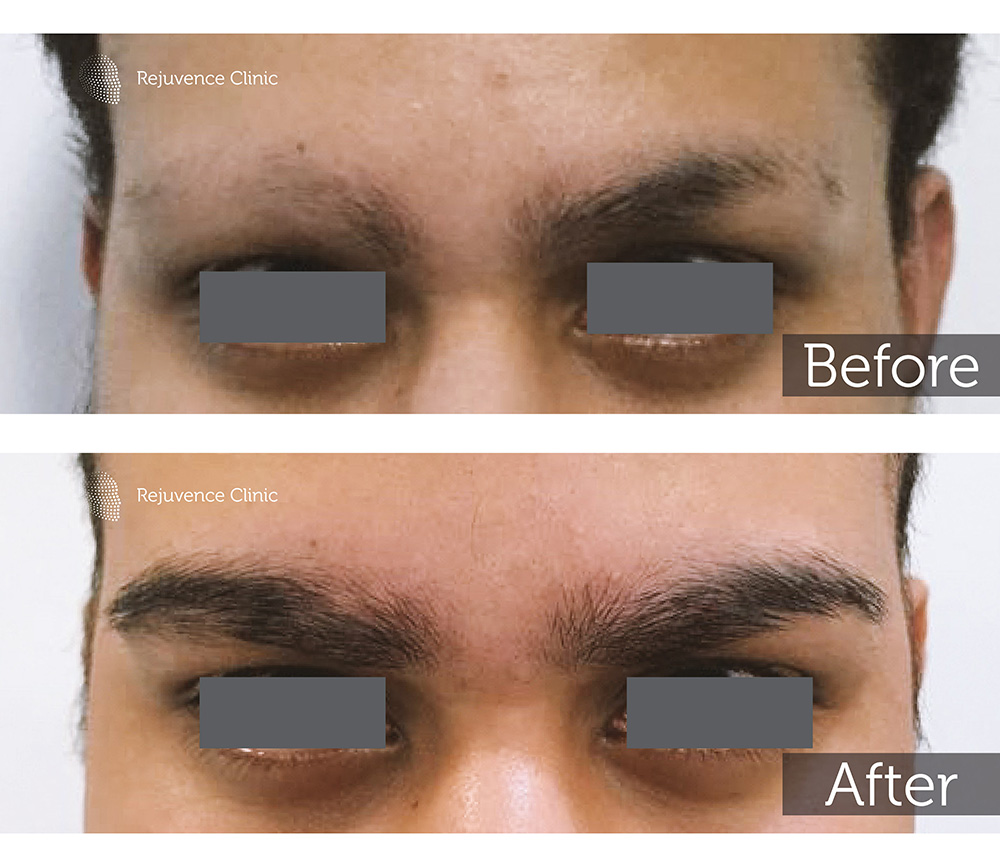
Alopecia Areata can also affect eyebrows and eyelashes. Sufferers can present with one or both sides being affected and even develop complete loss of eyebrow on one or both sides. Treatment is similar to that of the scalp. Intralesional steroid injections can be very effective. In the case of eyelashes intralesional injections are not option. In the case of multiple patches of alopecia areata that includes eyelashes, steroid pulse treatment can be helpful. This involves the use of oral steroids over a period of 3-4 months. It has also been found that topical application of glaucoma eyedrops can help with eyelash growth.
Caffeine containing shampoos claim to have hair growing potential. A study published in the British Journal of Dermatology, in 2014, demonstrated growth promoting effects of caffeine on human hair in both males and females. There was a suggestion that caffeine maybe more effective in male and female pattern hair loss rather than alopecia areata.
There are thousands of over the counter supplements that are available for hair loss. They all claim to improve hair loss, whether it be Alopecia Areata or pattern hair loss. There are no published studies highlighting any particular type of supplement. However, there is no doubt that the correct choice of supplements can help. It is important to realise that the causes of Alopecia Areata are multiple and they may be working together to make the condition worse. As mentioned above, low Vitamin D levels, an underactive thyroid and low iron levels can all contribute to hair loss.
At Rejuvence Clinic we offer Replenology™ Hair Supplements. This is a unique hair supplement that is only available at Rejuvence. Replenology has been developed and manufactured in Canada. It is a vegan friendly product with a mix of vitamins and minerals along with some homeopathic and ayurvedic input. Replenology has been the subject of a number of clinical trials and in direct comparison to a variety of established hair loss treatments for men and women. Replenology faired well demonstrating significant improvements in hair density and calibre over a follow up period of 6 months. Although the majority of trials have been carried out in male and female pattern hair loss patients anecdoctal evidence and testimony from the company and users suggest that it is helpful in alopecia areata as well.
At Rejuvence we offer intravenous vitamin drips tailored to specific needs. Our Hair Boost Drip consists of a combination of vitamins and biotin and can help improve the quality of your existing hair as well as improve hair loss. In alopecia areata it can be a supplemental treatment but should only be taken alongside conventional treatments such as steroid injections.
In some cases intralesional steroid injections are not as effective. This usually occurs in cases where a patch of alopecia areata has persisted for more than 1 year without any treatment. Also in situations where there are multiple patches of alopecia areata amounting to more than 20% of the scalp, treatment with intralesional steroids alone can be less fruitful. In these situations steroid pulse treatment regimes can be considered. Steroid pulse treatment consists of taking oral steroid tablets as per specific protocols for a period of a 3-4 months. This has been shown to help improve alopecia areata especially when combined with intralesional injections. At Rejuvence Clinic we can consider the use of oral steroids in more severe cases of alopecia areata where more than 20% of the scalp is involved.
At Rejuvence Clinic we are able to carry out a scalp biopsy. A scalp biopsy can help to confirm a biopsy of Alopecia Areata. Often a clinical examination is sufficient. However, in certain cases it can be difficult to confirm this diagnosis and differentiate between alopecia areata and other conditions such as CCCA – Central Centrifugal Cicatricial Alopecia. Treatment options for this condition are slightly different with a combination of intralesional steroid injections, certain types of antibiotics and even immunosuppressant medication.
Hair Transplants CANNOT be performed for patients suffering with long term and widespread alopecia areata. Grafts implanted into the affected areas will not grow and the transplant is likely to be a failure. We strongly advise all our patients suffering with widespread alopecia areata not pursue a hair transplant.
What are JAK inhibitors?
Alopecia Areata is an autoimmune condition. This means the body recognises it’s own hair follicles as foreign and begins to attack them. The lower third of the hair follicles are defined as having immune ‘privileges’ and not subject to attack from the body’s own immune system. In alopecia areata hair follicles lose this ‘privilege’ due to gamma interferons (specific signalling protein molecules) activating the ‘Janus-Kinase’ pathway. Studies published in the last few years have identified a specific group of medication known as JAK-inhibitors. This group of medication has been found to significantly improve alopecia areata especially in cases of chronic patches and where there is more than 20-40% scalp involvement and intralesional steroid injections and steroid pulse regimes have been unsuccessful.
JAK inhibitors are considered to be disease modifying drugs and used to treat a host of inflammatory conditions including rheumatoid arthritis, psoriatic arthritis, ulcerative colitis and atopic dermatitis. In lower doses they have been shown to be effective in alopecia areata. However, they are also associated with a host of risks and side effects. These include increased susceptibility to infection, deranged liver function, increased cholesterol, and increased risk of strokes and heart attacks especially in those above the age of 65 and with a history of smoking and atherosclerotic disease. They are available on the NHS but are currently only prescribed for alopecia areata in the presence of another inflammatory/rheumatoid condition such as rheumatoid arthritis. They are also extremely expensive at present with a 28 tablet box costing in excess of £1000. JAK inhibitors will no doubt feature strongly in the future for the treatment for alopecia areata but as of yet are not an affordable option for most.
REPLENOLOGY Hair - Replenishment & Nourishment
REPLENOLOGY Hair is a four part natural system formulated for use by both women and men to fully replenish nutrients that are lacking when experiencing hair loss and that are necessary for healthy hair. These nutrients target 21 causes of hair loss and support normal scalp & intrinsic hair functions along with providing cosmetic benefit to protect and improve the look of healthy and fuller hair. The Replenology Hair Daily Dietary Supplement can be combined with Replenology Daily Shampoo and Daily Conditioner. In addition the Daily Advanced Follicle Nutriment is a topical product that can be applied to specific patches of hair loss such as those that can occur in Alopecia Areata.
Replenology Hair works by replenishing nutrients in the hair follicles that have been depleted due to ageing, diet, hormonal changes, environmental effects, certain medication and long term exposure to chemical ingredients in some hair products.
Replenology Hair has been formulated to target 21 known causes of hair loss and shown to replenish nutrients in the hair follicles that are not normally found in a regular diet and hair care products, including natural stilbenes, wedelolactones, procyanidins. Replenology Hair is not a drug with associated potential side effects.
When will I see results? Replenology Hair begins working for you on the 1st day of use and you may see results as early as 4 to 8 weeks after commencing daily use. However, it may take 4 to 6 months to notice an effect. This will depend on how depleted the nutrients are in each individual and other overall health factors. You may notice a reduction in hair fall within 4 to 8 weeks followed by fuller and healthier looking hair on the scalp within 4 to 6 months. Once you begin using the Replenology Hair four part system you may experience an improvement in your wellbeing and energy levels due to the multiple vitamins, minerals and botanicals, that are rich in nutrients, amino acids and antioxidants, found in each of the Replenology Hair products. An improvement in the overall condition of your scalp and hair may also be experienced due to the nourishment that Replenology Hair will provide for you. The gentle but powerful ingredients will also protect your hair against the effects of everyday pollution and ultraviolet exposure.
Replenology is a novel botanical natural product treatment for male and female pattern hair loss. A recent multi-author study (systematic review and Bayesian network meta-analysis) comparing improvements in hair growth across the main non-surgical hair loss treatments for male and female pattern hair loss including FDA approved medication, Low Level Laser Therapy (LLLT) and Viviscal™. Replenology supplements demonstrated a statistically significant increase in terminal hair density in men and women that was greater than that observed for other treatment modalities included in the study. Women were found to have an accelerating terminal hair regrowth rate between 3 months and 6 months. Men had a continuous regrowth rate. Replenology did not demonstrate any signs of resistance whereas resistance was evident in all other treatment regimens. The study concluded that a multi-targeting treatment approach is required and that Replenology combined with other treatment regimes such as Magellan or Angel Arthrex shows potential promise. However, statistical evidence of a superior response with Replenology compared to other more established non-surgical hair loss treatments does not mean it should completely replace FDA approved treatment options.
At Rejuvence Clinic we stock Replenology products and specifically sell the Professional Grade Supplement. For further details on the Replenology product line and whether it could benefit you in your battle against hair loss call us on 0207 531 6600 or WhatsApp us.
Dr Sam Ghani
MBBS BSc MRCSEd FRCEM MSc Aesthetic Medicine
GMC: 6103460
https://www.gmc-uk.org/doctors/6103460 (View Dr Ghani’s GMC Registration)
Authored & Reviewed by Dr Ghani
This page was authored by Dr Ghani, a UK-registered medical doctor with extensive experience in aesthetic medicine, regenerative treatments, laser dermatology and minor surgery. Dr Ghani holds a Master’s degree in Aesthetic Medicine and is a Member of both the Royal College of Surgeons of Edinburgh and the Royal College of Emergency Medicine. His clinical focus includes advanced injectable treatments, energy-based devices, regenerative medicine applications and evidence-based aesthetic care. Dr Ghani is known for combining strong academic knowledge with meticulous clinical standards, ensuring patient safety and natural, clinically appropriate outcomes.