
















Hair loss can be distressing and deeply personal, affecting confidence and emotional wellbeing. PRP (Platelet-Rich Plasma) therapy is a natural and non-surgical treatment that continues to gain popularity for its ability to stimulate hair growth and improve follicle health without pharmaceuticals or surgery.
But one of the most common questions patients ask is: how long does PRP hair treatment last? In this guide, we’ll explore treatment longevity, what influences its duration, and how to maintain the best possible results.
What is PRP Hair Treatment?
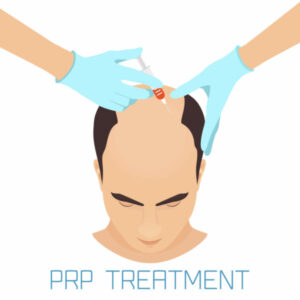
A regenerative hair restoration technique using your own blood to stimulate hair follicles and promote growth.
- Involves separating platelet-rich plasma from your blood
- Injected into scalp areas experiencing thinning or loss
- Stimulates natural hair regrowth by releasing growth factors
How Long Does PRP Hair Treatment Last?
PRP hair treatment is not permanent, but its effects can be prolonged with a maintenance plan tailored to your hair health and growth cycle. Here’s what you need to know.
Initial Treatment Duration
Most patients begin with a course of three sessions, each spaced four to six weeks apart. This initial phase stimulates hair follicles and sets the foundation for longer-lasting results.
Maintenance Timeline
To sustain optimal results, maintenance treatments are usually required every 4–6 months. This prevents regression and continues follicular stimulation.
Individual Variability
Not all patients respond the same. Factors such as age, extent of hair loss, and overall health will influence how long your results last.
Expected Longevity
On average, results last between 9 and 16 months with proper care. However, some individuals may maintain visible improvement for longer.
Gradual Regression
Without maintenance, the effects of PRP slowly wear off as follicles return to their previous dormant state. Continued treatments are key to preserving gains.
Complementary Lifestyle Factors
Adequate nutrition, low stress, and avoiding hair-damaging habits can help extend your PRP results. These factors often influence how well your body maintains hair regrowth.
Monitoring and Adjusting
Follow-up assessments are vital to adjust treatment frequency and evaluate progress. At Rejuvence Clinic, we personalise plans based on patient-specific responses and clinical tracking.
Read more about How many PRP treatments you should have.
Comparing PRP Duration with Other Hair Loss Treatments
PRP offers a unique timeline of results when compared to topical or surgical options.
PRP
Results typically last 9–16 months with consistent maintenance. Most patients return every 4–6 months for top-up sessions to maintain hair density.
Minoxidil
This topical medication must be used daily to maintain results. Once discontinued, its effects quickly diminish and hair loss resumes.
Finasteride
This oral medication requires long-term daily use and takes 3–6 months before showing improvement. If stopped, its benefits typically reverse within a few months.
Hair Transplant
Surgical hair restoration offers permanent results but is invasive and expensive. Recovery can take weeks, and PRP may still be used post-surgery to enhance graft survival.
Low-Level Laser Therapy (LLLT)
Often used as a home device or in clinics, LLLT requires ongoing, frequent sessions. Results are modest and take time to appear.
Microneedling
When combined with PRP, microneedling can enhance outcomes. However, as a standalone treatment, results are usually subtle and short-lived without ongoing sessions.
Natural Supplements
Supplements like biotin or saw palmetto offer minor benefits and must be taken long-term. They are often used alongside other treatments like PRP or medications.
Additional Insights on PRP Longevity and Efficacy
Understanding the nuances of PRP treatment can help patients set realistic expectations and maximise their outcomes.
PRP Is Not a One-Time Fix
While results can be impressive, PRP is not a single-treatment solution. Maintenance is required to sustain results.
Age and Hormonal Status Matter
Younger individuals with early-stage hair loss tend to respond better. Hormonal balance, especially in women, plays a significant role in treatment outcomes.
PRP Works Best in Areas with Miniaturised Hair
The treatment is most effective where there is thinning, not complete baldness. It revitalises dormant follicles, not dead ones.
PRP Is Versatile
PRP can be used on its own or in combination with medications or surgical hair restoration. At Rejuvence Clinic, we often combine PRP with oral minoxidil or hair transplants for enhanced results.
Treatment Safety and Natural Composition
Because PRP uses your own blood, it is considered extremely safe with minimal risk of side effects. This makes it ideal for patients sensitive to drugs or hesitant about surgery.
Evidence-Based Support
PRP has shown encouraging outcomes in treating androgenetic alopecia, alopecia areata, and other types of hair loss. Learn more in our detailed article on PRP for alopecia areata.
PRP and Hormonal Health in Women
For female patients, hormonal fluctuations due to contraceptives or menstruation can impact PRP results. Learn more about Oral Contraceptives and Hair Loss and PRP During Your Period.
How to Get the Best Results from PRP Hair Treatment
Achieving optimal outcomes from PRP requires more than just the injections — it demands a holistic approach and a partnership between you and your clinician. Below are the key steps to maximise the longevity and effectiveness of your treatment.
Prepare Your Scalp Health
A healthy scalp is the foundation for great PRP results. Ensure your scalp is free from active inflammation (such as seborrheic dermatitis or psoriasis), and follow your clinician’s guidance on whether to pause medications or treatments before the session.
Use High‑Quality PRP Preparation
The concentration and quality of platelets matter significantly. At the Rejuvence Clinic we use CE‑certified systems and ensure platelet concentrations exceed 5× baseline to optimise growth factor delivery.
Attend the Full Initial Course
Most successful outcomes begin with a series of three sessions spaced 4 to 6 weeks apart. Skipping or shortening this initial phase can reduce how long the results last and delay visible hair regrowth.
Follow the Recommended Maintenance Schedule
To extend results, maintenance sessions every 4‑6 months are advised for most patients. Without these top‑ups, the benefits of PRP tend to diminish sooner.
Combine PRP with Complementary Therapies
PRP often delivers its best results when used alongside other treatments such as oral or topical therapies, laser therapy, or nutritional support. For women, it’s especially important to review hormonal influences, read our guidance on how oral contraceptives impact PRP efficacy.
Optimise Lifestyle & Nutrition
Lifestyle factors such as smoking, poor diet, high stress and lack of sleep can blunt PRP results and shorten their duration. A nutrient‑rich diet, good sleep hygiene and scalp care can extend how long the benefits last.
Track Progress with Photography and Assessment
Document your progress with standardised photos and regular check‑ups. This helps identify early signs of regression and allows timely adjustments to your plan.
Conclusion
PRP hair treatment provides a powerful, natural alternative for those struggling with hair thinning or early-stage hair loss. While not a permanent solution, results can last over a year with regular maintenance.
At Rejuvence Clinic in Canary Wharf, Dr. Samuel Ghani offers personalised, medically-led PRP therapy backed by extensive clinical experience and cutting-edge platelet concentration systems. Ready to regain fuller, healthier hair?
Book your consultation today and start your restoration journey with confidence.
Also read: How Much Does PRP Hair Treatment Cost in the UK?
How Many PRP Sessions Do You Need Initially?
Three sessions are the standard recommendation to stimulate initial hair regrowth. This phased approach primes follicles for better responsiveness.
How Soon Do You See Results?
Most patients begin seeing noticeable thickening and reduced shedding around 3 months after starting treatment. Results continue to improve over 6–12 months.
How Long Do Results Last Without Maintenance?
In general, PRP results may last between 9 to 16 months without maintenance. However, results fade gradually as the natural regenerative boost declines.
How Often Should You Schedule Maintenance Sessions?
For consistent results, clinics including Rejuvence recommend touch-ups every 4–6 months. These sessions replenish the growth factor stimulus and prolong benefits.
Does Hair Loss Return if PRP is Discontinued?
Yes, if treatment is stopped completely, hair may begin to thin again—especially in patients with ongoing androgenetic alopecia. Maintenance helps slow this regression.
Is PRP a Permanent Hair Loss Cure?
No. PRP improves hair quality and density, but it does not alter genetic or hormonal causes of hair loss. It’s a long-term management solution, not a cure.
Who Sees the Longest-Lasting Results?
Patients who start PRP early (before full baldness), those combining it with oral/topical treatments, and individuals following a tailored plan from experienced clinics like Rejuvence tend to see the best, longest-lasting results.