

















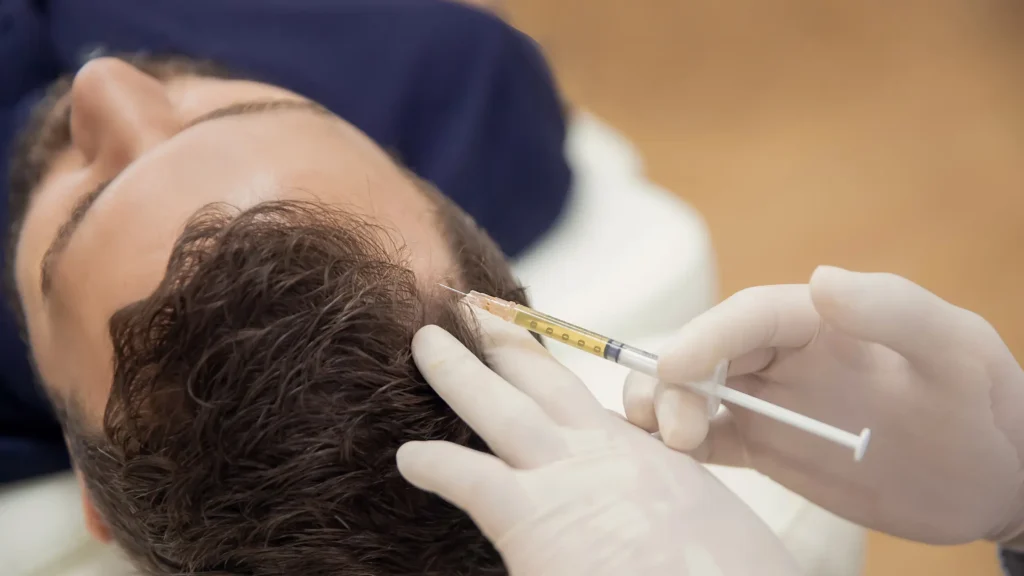
Platelet-Rich Plasma therapy has gained significant attention as a hair restoration treatment, but many people wonder about its safety profile and legal status before committing to the procedure. Understanding the regulatory framework and safety considerations surrounding PRP therapy is essential for making informed decisions about your hair loss treatment.
This detailed guide explores the legality, safety standards, and regulatory oversight of PRP hair treatment in the United Kingdom.
The Legal Status of PRP Hair Treatment in the UK
The straightforward answer: PRP hair treatment is completely legal in the United Kingdom.
PRP is regulated under existing healthcare frameworks that govern medical procedures and blood-based treatments. The procedure must be performed by qualified healthcare professionals in registered facilities that comply with Care Quality Commission (CQC) standards and follow strict protocols for blood handling and patient safety.
If you’re considering PRP hair treatment at Rejuvence Clinic, you can be assured that all treatments are conducted within the UK’s legal and regulatory framework. We are a CQC-registered facility in Canary Wharf with a 4.8/5 rating from 439+ verified reviews, operating under full regulatory compliance.
Key legal aspects of PRP treatment in the UK:
- PRP is classified as autologous blood therapy (uses the patient’s own blood)
- Human Tissue Authority (HTA) provides oversight for procedures involving blood products
- Clinics must be CQC-registered if they are independent healthcare providers
- Medical practitioners must have appropriate qualifications and insurance
- Facilities must comply with MHRA (Medicines and Healthcare products Regulatory Agency) blood handling regulations
- Equipment must meet medical device standards (CE/UKCA marking)
- Patient consent and proper documentation are legally required
Disclosure: Rejuvence Clinic offers private PRP treatment under full UK regulatory compliance. This article provides balanced information about PRP safety and legality in the UK.
Understanding the Safety Profile of PRP Hair Treatment
The safety of PRP therapy has been extensively studied, with regulatory bodies and medical organizations recognizing it as a low-risk procedure when performed correctly. Research published in peer-reviewed journals consistently demonstrates that PRP hair treatment has an excellent safety profile with minimal adverse effects.
For comprehensive evidence supporting PRP safety and effectiveness, see the most up-to-date research on PRP efficacy for male and female pattern hair loss in 2025.
Autologous Nature Minimizes Rejection Risks
Since PRP uses the patient’s own blood, the risk of allergic reactions or immune system rejection is virtually eliminated. The body recognizes the platelets and growth factors as its own biological material. This autologous approach is fundamentally different from treatments using synthetic chemicals or donor materials, making PRP one of the safest regenerative medicine options available.
Minimal Side Effects Reported
Clinical studies tracking thousands of PRP treatments have documented very few serious adverse events. Most side effects are mild and temporary, including slight scalp tenderness, minor swelling at injection sites, and temporary redness that typically resolves within 24-48 hours. These minor reactions are comparable to routine vaccinations and do not indicate serious safety concerns.
Sterile Processing Standards
UK clinics performing PRP therapy must adhere to strict sterile processing protocols mandated by healthcare regulations. Blood is drawn using sterile needles in clean environments, processed in closed systems preventing contamination, and injected using aseptic techniques. The entire procedure follows the same rigorous standards applied to other medical blood-handling procedures.
At Rejuvence Clinic, we use medical-grade systems (Magellan TruPRP™ and Angel Arthrex™) that meet all UK medical device standards and maintain the highest sterile processing protocols.
Low Infection Risk When Properly Administered
When performed by qualified practitioners in regulated facilities, infection risk from PRP treatment is extremely low. Studies show infection rates below 0.1% when proper protocols are followed comparable to or better than many routine medical procedures. Clinics use single-use disposable equipment, maintain sterile fields, and follow post-treatment care guidelines that further minimize any infection risk.
No Systemic Drug Interactions
Unlike pharmaceutical treatments for hair loss (finasteride, minoxidil), PRP does not interact with other medications. The localized nature of scalp injections means the treatment affects only the targeted area without entering the broader circulatory system in significant amounts. This makes PRP suitable for patients who are taking other medications, have health conditions precluding certain hair loss drugs, want to avoid systemic treatments, or need a complementary therapy to existing treatments.
Suitability for Various Patient Groups
PRP therapy can be safely administered to a wide range of patients, including those who cannot use conventional hair loss medications. Women who are pregnant or breastfeeding (after medical consultation), individuals with cardiovascular concerns, patients with sensitivities to topical treatments, and those seeking natural, non-pharmaceutical options may all be candidates for PRP. A thorough medical assessment determines individual suitability based on overall health and specific circumstances.
Long-Term Safety Data
Medical literature now includes long-term follow-up studies spanning several years that continue to support the safety of repeated PRP treatments. Patients undergoing multiple treatment cycles over extended periods have not shown increased adverse effects or complications. This accumulating evidence provides reassurance about PRP safety as ongoing maintenance therapy. Understanding how long PRP hair treatment lasts helps set realistic expectations for treatment duration and maintenance requirements.
Regulatory Framework and Quality Standards in the UK
The United Kingdom maintains robust regulatory oversight of medical procedures including PRP therapy, ensuring treatments meet high standards of safety and quality. Multiple regulatory bodies work together to protect patients and maintain professional standards.
Care Quality Commission Oversight
The Care Quality Commission (CQC) serves as the independent regulator of health and social care in England. Clinics offering PRP treatment must register with the CQC if providing regulated activities, and undergo regular inspections ensuring compliance with fundamental standards. CQC inspections assess staff qualifications and training, infection control procedures, patient safety protocols, facility cleanliness and equipment, and documentation and consent processes.
MHRA Medical Device Regulations
The Medicines and Healthcare products Regulatory Agency (MHRA) regulates medical devices used in PRP preparation, including centrifuges and collection kits. All equipment must have appropriate CE marking or UKCA marking demonstrating conformity with safety standards. These regulations ensure devices used to separate and concentrate platelets function reliably and safely, producing consistent PRP preparations.
Professional Medical Council Standards
Healthcare professionals performing PRP treatments are regulated by respective professional bodies such as the General Medical Council (GMC) for doctors, Nursing and Midwifery Council (NMC) for nurses, and Health and Care Professions Council (HCPC) for other healthcare professionals. These organizations set standards for professional conduct, require ongoing education, and investigate complaints. Practitioners must maintain valid registration and appropriate indemnity insurance to perform PRP procedures legally.
Blood Handling and Safety Protocols
The Human Tissue Authority (HTA) and associated regulations govern how blood and tissue are collected, processed, and used in medical treatments. Clinics must implement quality management systems, maintain traceability of all blood products, report any serious adverse events, and follow strict handling and disposal protocols. These stringent requirements create multiple safety checkpoints throughout the PRP treatment process.
Patient Safety and Informed Consent
UK healthcare regulations mandate that patients receive comprehensive information about PRP treatment before proceeding, including potential risks and expected outcomes. Written informed consent must be obtained, documenting that the patient understands the procedure and has had the opportunity to ask questions. This legal requirement protects patient autonomy and ensures treatments are provided ethically.
Training and Competency Requirements
While there’s no single mandatory certification for PRP practitioners, professional standards require healthcare providers to demonstrate competency in the procedure. Many practitioners complete specialized training courses in regenerative medicine and PRP techniques.
At Rejuvence Clinic, Dr Samuel Ghani and our medical team have extensive training in regenerative medicine and are actively involved in international workshops and research collaborations. All our practitioners maintain ongoing professional development and adhere to the highest clinical standards.
Factors to Consider When Choosing a PRP Provider
Selecting the right clinic and practitioner for PRP hair treatment is crucial for ensuring both safety and effectiveness. Several important considerations can help you identify reputable providers who adhere to the highest standards.
Essential factors when evaluating PRP providers:
- Verify CQC registration and check inspection ratings on the CQC website
- Confirm practitioners are registered with appropriate professional bodies (GMC, NMC, or HCPC)
- Ask about the specific PRP system used and whether it meets UK medical device regulations
- Inquire about practitioner training, experience, and number of procedures performed
- Review before/after photos and patient testimonials to assess treatment outcomes
- Understand the full treatment protocol including number of sessions and follow-up care
- Ensure clear information about costs with no hidden fees (see PRP hair treatment costs in the UK for pricing guidance)
- Check that comprehensive patient information and consent procedures are followed
- Assess facility cleanliness and professionalism during your consultation
- Confirm appropriate insurance and protocols for managing complications
- Read verified patient reviews on Google, Trustpilot, or other independent platforms
- Ensure the clinic provides emergency protocols and follow-up care if needed
Warning signs to avoid: No CQC registration for independent clinics, unregistered practitioners, unclear or evasive about qualifications, guaranteed results promises, pressure to commit immediately, significantly cheaper pricing than market rate (may indicate substandard equipment or protocols), poor facility hygiene, or no written consent process.
Conclusion
PRP hair treatment is both safe and legal in the United Kingdom, operating within a comprehensive regulatory framework designed to protect patients. The procedure’s excellent safety profile, combined with proper regulatory oversight by bodies like the Care Quality Commission and MHRA, provides reassurance for those considering this treatment option.
By choosing a reputable, CQC-registered clinic with qualified practitioners who follow established protocols, you can confidently pursue PRP therapy knowing that your safety is protected by UK healthcare standards.
References
[1] Care Quality Commission. Regulations and Standards. cqc.org.uk
[2] Medicines and Healthcare products Regulatory Agency. Medical Devices Guidance. gov.uk/mhra
[3] Human Tissue Authority. Guidance for Healthcare Professionals. hta.gov.uk
[4] General Medical Council. Professional Standards. gmc-uk.org
[5] Clinical studies on PRP safety from peer-reviewed medical journals