

















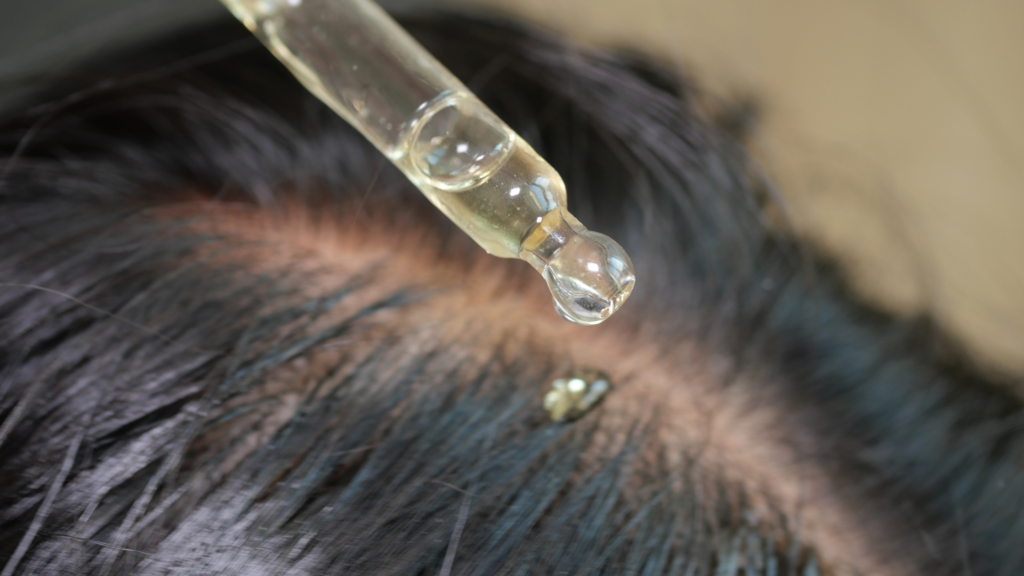
Yes, PRP can significantly slow progressive hair thinning in most patients, with clinical studies showing 60-70% of patients experience reduced shedding and stabilisation. PRP works by supporting follicle health and extending the growth phase, though it rarely stops thinning completely.
Understanding what PRP can realistically achieve for progressive hair loss helps you make informed treatment decisions about this increasingly popular intervention.
Understanding Progressive Hair Thinning
Progressive thinning describes gradual, ongoing hair loss that worsens without intervention. True progressive thinning shows continuous worsening over months to years with increasing scalp visibility rather than stabilising naturally.
This pattern indicates underlying causes like genetic hair loss requiring ongoing management. Androgenetic alopecia, hormonal changes, chronic stress, or autoimmune conditions commonly cause progressive loss.
How PRP Slows Hair Loss Progression
PRP mechanisms directly counteract processes causing progressive thinning. Understanding these effects explains realistic outcome expectations.
Growth Factor Delivery
Concentrated platelets release PDGF, VEGF, EGF, and other growth factors stimulating follicle activity. These factors prolong the anagen (growth) phase and improve follicle stem cell function. By extending how long follicles remain active, PRP reduces shedding rate and maintains density longer than without treatment.
Anti-Inflammatory Effects
Chronic scalp inflammation accelerates follicle miniaturisation in many progressive hair loss cases. PRP’s anti-inflammatory properties reduce this damaging inflammation, creating a healthier environment for follicles. Studies show reduced inflammatory markers in scalp tissue following regular PRP treatment.
Vascular Improvement
Blood supply to follicles often diminishes in progressive thinning, starving follicles of nutrients and oxygen. PRP promotes angiogenesis (new blood vessel formation), improving follicle nutrition. Enhanced vascular support helps struggling follicles resist miniaturisation signals driving progressive loss.
Evidence for PRP in Progressive Thinning
Clinical research demonstrates PRP effectiveness for slowing progressive hair loss. Understanding study results helps set appropriate expectations.
| Study Type | Success Rate | Primary Outcome |
| Reduced shedding | 70-80% | Fewer hairs lost daily |
| Stabilisation | 60-70% | Halted progression |
| Density improvement | 50-60% | Thicker, fuller hair |
| Complete regrowth | 10-20% | Significant new growth |
Reduction in Shedding
Most patients (70-80%) notice reduced daily hair loss within 2-3 months of starting PRP. This represents the earliest measurable benefit, occurring before visible density improvement. Reduced shedding indicates PRP is successfully extending growth phase and slowing progression.
Stabilisation of Thinning
Approximately 60-70% of patients achieve stabilisation where progressive thinning halts or dramatically slows. Whilst not reversing existing loss, maintaining current density represents significant success for progressive conditions. Early intervention produces better stabilisation rates than treating advanced loss.
Density Improvement
About 50-60% of patients see modest density improvement beyond stabilisation. This involves existing hairs becoming thicker and healthier rather than dramatic new growth. The improvement may seem subtle but creates noticeable cosmetic benefits, particularly for diffuse thinning.
PRP vs Medications for Slowing Progression
Comparing PRP to established medications helps determine optimal treatment approach. Different mechanisms offer varying benefits.
Finasteride Effectiveness
Finasteride slows progression in 85-90% of men by blocking DHT production. It addresses the hormonal cause of male pattern baldness more directly than PRP. However, some men experience side effects or prefer avoiding long-term medication, making PRP an attractive alternative.
Minoxidil Comparison
Minoxidil reduces progression through different mechanisms than PRP, with similar 60-70% success rates for stabilisation. Many practitioners recommend combining both treatments for synergistic benefit. The combination often produces superior outcomes than either alone.
Combination Approach
Research increasingly supports combining PRP with medications for progressive thinning. Patients using finasteride or minoxidil plus PRP typically show 30-40% better results than single treatments. This multi-modal approach addresses multiple pathways driving progressive loss.
Realistic Expectations for Slowing Progression
Managing expectations proves crucial for patient satisfaction. Understanding likely outcomes prevents disappointment.
What PRP Can Achieve
For progressive thinning, expect reduced shedding within 2-3 months and stabilisation within 4-6 months. Hair may feel fuller and healthier even if new growth remains modest. Most patients maintain or modestly improve density rather than dramatically reversing years of loss.
What PRP Cannot Do
PRP cannot completely stop genetically programmed hair loss because it doesn’t eliminate causative factors like DHT. It won’t restore completely bald areas where follicles have died. PRP fundamentally slows rather than reverses extensive loss.
Timeline for Results
Reduced shedding typically appears within 6-8 weeks. Visible density improvement becomes apparent around 3-4 months. Maximum benefit usually occurs at 6-12 months with consistent treatment. Understanding this timeline helps maintain realistic expectations during early treatment.
Factors Affecting PRP Success
Younger patients with early-stage thinning show best responses, whilst advanced thinning shows more variable results. Slowly progressive thinning responds better than aggressive, rapid loss. Nutritional status, stress management, and lifestyle factors like alcohol and smoking significantly affect outcomes.
Treatment Protocol for Progressive Thinning
Standard protocols involve 3-6 sessions spaced 4-6 weeks apart initially. After stabilisation, maintenance every 4-6 months sustains results indefinitely. Skipping maintenance allows progressive thinning to resume within 12-18 months. Some patients need quarterly sessions whilst others maintain 6-month intervals.
Combining PRP with Other Interventions
Multi-modal approaches typically outperform PRP alone for progressive thinning. Strategic combinations address multiple pathways.
PRP Plus Finasteride
This combination addresses both hormonal cause (finasteride) and follicle support (PRP). Studies show significantly better stabilisation rates with combined treatment. Most effective for male pattern baldness showing moderate to rapid progression.
Adding Minoxidil
Minoxidil provides daily follicle stimulation between monthly PRP sessions. The combination works through complementary mechanisms, often producing superior results. Optimising PRP effectiveness often involves medication integration.
Nutritional Optimisation
Addressing deficiencies in iron, vitamin D, zinc, or B vitamins enhances PRP response. Supplementation proves particularly important for female pattern thinning where deficiencies commonly contribute. Combined nutritional and PRP intervention produces synergistic benefits.
Cost Considerations and Limitations
Initial treatment costs £885-£5,100 for 3-6 sessions at £295-£850 per session. Maintenance costs £590-£1,700 annually. Successfully slowing progression potentially avoids transplantation costs of £3,000-£15,000+.
Very aggressive thinning often requires medication addition for adequate control. Severely miniaturised follicles approaching dormancy respond poorly to PRP. Untreated thyroid disease or severe nutritional deficiencies undermine effectiveness.
Monitoring Treatment Success
Count daily hair loss before and during treatment. Successful treatment shows 30-50% reduction in shedding within 2-3 months. Monthly photographs capture density changes invisible to daily observation. If progression continues despite 4-6 sessions, consider adding medications or increasing frequency.
Conclusion
PRP can significantly slow progressive hair thinning in 60-70% of patients, with most experiencing reduced shedding and stabilisation within 3-6 months. Whilst PRP rarely stops thinning completely, maintaining current density represents meaningful success for progressive conditions. Combining PRP with medications and starting treatment early produces best long-term outcomes for slowing progressive hair loss.
Frequently Asked Questions
How long does it take for PRP to slow progressive thinning?
Most patients notice reduced shedding within 6-8 weeks of starting treatment. Visible stabilisation of thinning typically appears around 3-4 months. Maximum benefit occurs at 6-12 months with consistent treatment. Early changes involve reduced hair loss rather than dramatic regrowth, so patience during initial months proves essential.
Can PRP completely stop hair loss progression?
PRP slows but rarely completely stops progressive thinning because it doesn’t eliminate underlying causes like genetic programming or hormonal factors. Approximately 60-70% of patients achieve significant stabilisation, but some progression may continue at reduced rates. Combining PRP with medications like finasteride produces better stoppage than PRP alone.
How many PRP treatments do I need to slow thinning?
Initial treatment typically requires 3-6 sessions spaced 4-6 weeks apart. After achieving stabilisation, maintenance treatments every 4-6 months continue indefinitely. Stopping maintenance allows progressive thinning to resume, so ongoing commitment proves essential for sustained results.
Does PRP work better than minoxidil for slowing progression?
PRP and minoxidil show similar effectiveness for slowing progressive thinning, each achieving stabilisation in 60-70% of patients. They work through different mechanisms, making combination therapy more effective than either alone. Most practitioners recommend using both for optimal progression control.
What happens if I stop PRP treatment?
Stopping PRP allows progressive thinning to resume within 12-18 months as growth factor support disappears. Hair typically returns to the trajectory it would have followed without treatment. This makes PRP an ongoing management approach rather than a one-time cure for progressive conditions.
Is PRP worth it for slow progressive thinning?
For slow progressive thinning, PRP can maintain density for decades, potentially avoiding future transplantation. The long-term preventive value often justifies ongoing investment. Patients able to commit to maintenance typically consider PRP worthwhile for preserving their hair quality.
Can PRP slow thinning in women as well as men?
Yes, PRP slows progressive thinning equally effectively in women and men. Women with diffuse thinning often show excellent responses as more follicles remain active compared to male pattern baldness. Female patients typically achieve good stabilisation with standard protocols.