
















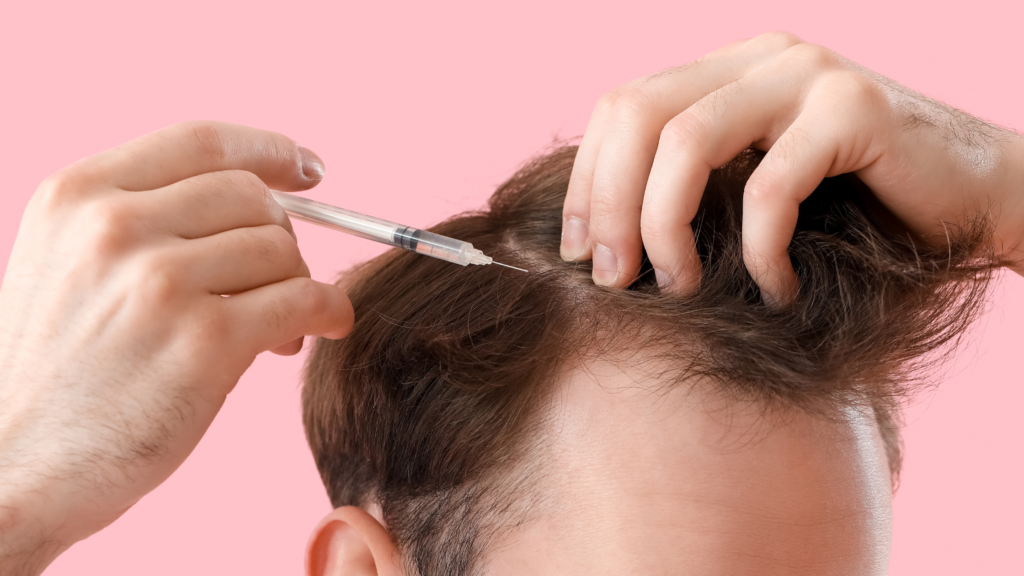
Alcohol consumption significantly affects PRP treatment outcomes through direct platelet dysfunction and impaired healing responses. Many patients don’t realise that drinking patterns can reduce treatment effectiveness by 20-40% according to clinical studies.
Understanding when and how alcohol interferes with PRP results helps protect your investment and optimise outcomes.
How Alcohol Affects Platelet Function
Alcohol directly impacts the platelets that form PRP’s therapeutic foundation. These effects undermine treatment at multiple biological levels.
Platelet Count and Quality
Chronic alcohol consumption suppresses bone marrow function, reducing baseline platelet counts. Even moderate regular drinking can cause mild thrombocytopenia that affects PRP concentrate quality. When your blood has fewer platelets initially, the PRP system has less material to concentrate, yielding suboptimal results.
Growth Factor Release
Ethanol exposure alters growth factor release from platelet granules. Studies show alcohol-affected platelets release lower concentrations of PDGF, VEGF, and other growth factors essential for hair follicle stimulation. This directly undermines PRP’s mechanism of action regardless of platelet numbers.
Inflammation and Healing
Regular drinking increases baseline inflammation markers that counteract PRP’s regenerative effects. Alcohol also disrupts immune cell function needed to coordinate healing responses. The combination creates an environment where follicles struggle to respond even when PRP provides appropriate growth signals.
Critical Timing Windows Around Treatment
Different timeframes around PRP carry varying risks. Understanding these windows helps you plan appropriately.
| Timing | Impact Level | Recommendation |
| 72 hours before | Very High | Complete abstinence |
| Day of treatment | Critical | Absolutely no alcohol |
| 48-72 hours after | High | Strict avoidance |
| Between sessions | Moderate | Limit to NHS guidelines |
Pre-Treatment Window
The 72 hours before PRP represents the most critical period. Platelets live 7-10 days, so alcohol consumed in the three days before treatment directly affects platelets that will comprise your PRP. Abstaining ensures maximum platelet quality at blood draw.
Post-Treatment Recovery
The 48-72 hours after injection is when growth factors actively signal tissue repair. Alcohol during this period disrupts cellular responses to these signals, potentially wasting the treatment. Strict abstinence during this window maximises effectiveness.
Between Treatment Sessions
During your treatment course (typically 3-6 sessions), maintain minimal alcohol consumption following NHS guidelines. Avoiding alcohol entirely produces best results, but if drinking, never exceed 14 units weekly and avoid consumption within 72 hours of each session.
Evidence from Clinical Studies
Research examining alcohol and PRP effectiveness provides direct evidence. These studies help quantify the relationship.
Outcome Differences
Studies comparing PRP outcomes between drinkers and non-drinkers show 20-40% reduced effectiveness in regular alcohol consumers. Hair density improvements, growth phase prolongation, and shedding reduction all show diminished responses. These differences persist even when controlling for other variables.
Response Timeline Variations
Alcohol consumers often show delayed responses, requiring more sessions to achieve comparable results. Where non-drinkers might see improvement by session 3-4, drinkers may need 6-8 sessions. This extended timeline increases total treatment costs substantially.
Platelet Quality Markers
Laboratory analysis shows PRP from regular drinkers contains significantly lower growth factor concentrations. Even when platelet counts appear adequate, functional quality measures show impairment. This explains why some patients get poor results despite seemingly good PRP.
Acute vs Chronic Drinking Patterns
Occasional social drinking affects PRP differently than chronic consumption. Both patterns matter but through different mechanisms.
Single Drinking Episodes
One-time drinking primarily causes temporary platelet dysfunction that resolves within 24-48 hours. However, a binge the night before PRP compromises that specific treatment, essentially wasting £295-£850. The immediate impairment can significantly reduce that session’s effectiveness.
Chronic Regular Consumption
Daily or frequent drinking causes persistent platelet dysfunction and chronic inflammation. These effects don’t resolve quickly even with several days’ abstinence. Chronic drinkers typically show reduced PRP responses across all sessions unless drinking patterns change substantially.
Moderate Consumption
UK NHS guidelines define moderate drinking as 14 units or less weekly spread across 3+ days. Staying within these limits whilst avoiding alcohol completely around treatment windows likely has minimal impact. However, exceeding guidelines regularly compromises outcomes even with treatment-window abstinence.
Practical Recommendations for Patients
Clear guidelines help optimise results. These evidence-based recommendations balance effectiveness with practical adherence.
Before Each Session
Stop drinking 3-5 days before each treatment if possible. At minimum, avoid alcohol for 72 hours pre-treatment. This establishes optimal conditions and allows maximum platelet quality during the procedure.
After Each Session
Wait 48-72 hours after PRP before consuming alcohol. This allows initial growth factor signalling to occur unimpeded. After this window, moderate drinking following NHS guidelines likely has minimal impact until your next session.
During Treatment Courses
Throughout your 3-6 month treatment course, maintain minimal consumption. Complete abstinence produces best results, but if drinking, stay within NHS guidelines and avoid the 72-hour pre-treatment and 48-hour post-treatment windows.
Interaction with Other PRP Factors
Alcohol consumption interacts with other variables affecting outcomes. Understanding these interactions helps comprehensive optimisation.
Medications
Finasteride or minoxidil combined with PRP shows synergistic benefits, but alcohol potentially undermines both therapies. Alcohol affects liver metabolism of finasteride and may reduce minoxidil’s effects. Patients combining treatments should be particularly strict about alcohol avoidance.
Nutritional Status
Alcohol interferes with absorption of B vitamins, zinc, and iron crucial for hair health. Poor nutritional status compounds PRP limitations caused by direct alcohol effects. Addressing both factors together produces better outcomes.
Sleep Quality
Alcohol disrupts sleep architecture despite seeming to help initial sleep onset. Poor sleep impairs healing responses and follicle function, reducing PRP effectiveness. Using alcohol for sleep or stress management undermines results.
When to Reschedule Treatment
If you’ve had heavy drinking within 72 hours of scheduled PRP, consider rescheduling to avoid wasting £295-£850. If alcohol consumption represents a persistent struggle, address this before investing in PRP. Tell your practitioner honestly about drinking habits for realistic expectations and appropriate planning.
Cost Implications
Alcohol-related PRP failure wastes money. Understanding financial implications helps motivate behaviour change.
Session Cost Calculations
Each compromised session wastes £295-£850 depending on the system used. If regular drinking requires 8 sessions versus 4 for abstainers, you’re spending double for potentially inferior results. This represents £1,180-£3,400 wasted investment.
Value of Temporary Abstinence
Temporary alcohol abstinence during 3-6 month treatment courses costs nothing but requires discipline. The money saved by avoiding compromised treatments far exceeds any value from drinking. From cost-benefit analysis, abstinence makes financial sense.
Beyond Hair Loss: Other PRP Applications
PRP for erectile dysfunction and facial rejuvenation face identical alcohol-related limitations. All PRP applications depend on platelet function and healing mechanisms that alcohol impairs. Patients should follow the same guidelines regardless of treatment area.
Maintenance Phase Considerations
Once transitioning to maintenance treatments every 4-6 months, apply the same pre/post-treatment abstinence rules. Between sessions, moderate drinking following NHS guidelines has minimal impact, though complete abstinence still optimises results.
Conclusion
Alcohol significantly impacts PRP through platelet dysfunction and impaired healing. Strict abstinence for 72 hours before and 48-72 hours after each session optimises effectiveness, whilst moderate consumption between sessions has minimal impact. Protecting your PRP investment through temporary alcohol avoidance makes both medical and financial sense.
Frequently Asked Questions
Can I have one drink the night before PRP?
Even one drink 12-24 hours before PRP can impair platelet function. The safest approach is complete abstinence for 72 hours pre-treatment. If you’ve had one drink, proceeding remains better than cancelling, but effectiveness may be reduced somewhat.
How long after PRP can I drink safely?
Wait at minimum 48-72 hours after PRP before consuming alcohol to allow initial cellular responses to occur. After this critical window, moderate drinking following NHS guidelines (14 units or less weekly) likely has minimal impact until your next treatment.
Does the type of alcohol matter?
All alcoholic beverages contain ethanol that impairs platelets regardless of drink type. Beer, wine, and spirits affect PRP effectiveness similarly when equivalent alcohol amounts are consumed. Red wine’s antioxidants don’t offset ethanol’s negative effects.
Will cutting out alcohol really improve results?
Yes, studies show 20-40% better outcomes in abstainers versus regular drinkers. Patients who stop drinking during treatment typically need fewer sessions and show better long-term maintenance. The improvement proves particularly dramatic for daily drinkers.
What if I can’t stop drinking for medical reasons?
If alcohol dependency prevents abstinence, consider addressing this issue before investing in PRP. NHS alcohol services provide support resources. Treatment proves much more cost-effective once drinking is controlled.
Can I use alcohol-free beer during treatment?
Yes, alcohol-free alternatives (0.0-0.5% ABV) eliminate platelet dysfunction whilst allowing social participation. These represent excellent choices during treatment courses. However, check labels as some contain residual alcohol.
How does alcohol compare to other lifestyle factors?
Alcohol ranks among the most significant modifiable factors affecting PRP, alongside smoking. Studies suggest alcohol’s impact equals or exceeds that of nutritional deficiencies or stress. Unlike some factors, alcohol represents a completely controllable variable.